

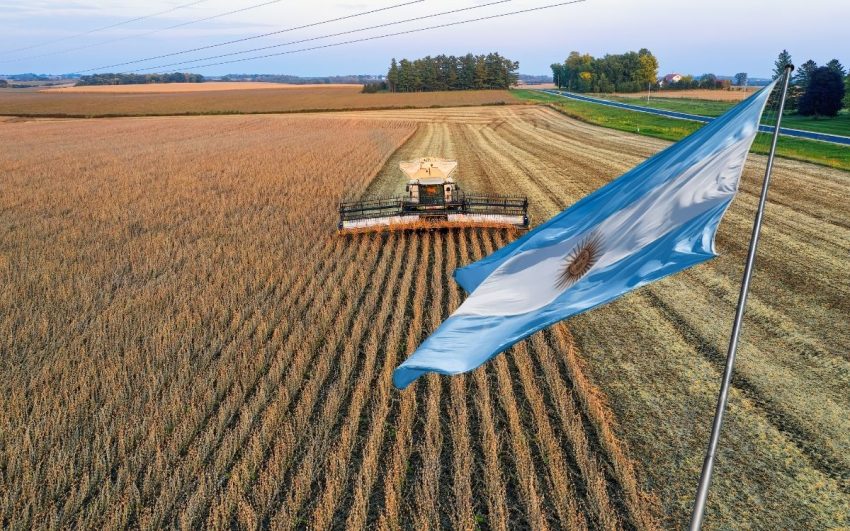
A first-of-its-kind comparison from Purdue University and Argentina’s Universidad Austral, released in August 2026, delivered a clear message. In surveys of about 400 producers in each country during May and June, 53 percent of Argentine farmers expected good times for crop agriculture over the next five years. Only 28 percent of U.S. producers shared that view. On the flip side, 57 percent of American crop farmers anticipated widespread bad times, while just 4 percent of their Argentine counterparts did.
The two groups face many of the same pressures: high input costs, relatively weak commodity prices, and weather risk. Yet the outlooks diverge sharply. Livestock sentiment is strong in both countries (68 percent good times in the U.S., 80 percent in Argentina), and farmland price expectations favor Argentina as well. The crop gap is the real story.
Argentine optimism is not primarily about current margins looking stronger. Researchers point instead to expectations of a better investment environment: reductions in agricultural export taxes (retenciones), greater market openness, and improved access to dollar-denominated credit. Under President Javier Milei’s administration, export taxes on key crops have been cut permanently and further gradual reductions scheduled. Producers see policy moving in a direction that improves future returns even while prices remain soft.
They have also captured real market opportunities that U.S. farmers lost or shared. During the latest round of U.S.-China tariff tensions, Chinese buyers shifted soybean purchases toward South America. Argentina booked multiple cargoes after temporary (and then permanent) tax reductions made its beans more competitive. U.S. soybeans, long a major export to China, faced barriers and lost sales volume in key periods. Argentina filled part of that gap.
On beef, the United States expanded Argentina’s preferential tariff-rate quota from the longstanding 20,000 tons to 100,000 tons for 2026. Argentine exporters filled the expanded quota ahead of schedule. Shipments of Argentine beef to the U.S. rose sharply in value and volume. In a further step, President Trump moved in late August 2026 to allow up to 300,000 metric tons of foreign lean beef trimmings (for ground beef) to enter the U.S. over 90 days with no out-of-quota tariff, aiming to lower prices for consumers. While Argentina was already benefiting from its expanded preferential access and Trump has publicly referenced Argentine product in discussions of imports, the temporary 300,000-ton allocation primarily targets other eligible suppliers. U.S. cattle producers, already dealing with tight supplies and strong prices that supported their own optimism, watched additional foreign product enter the market.
Meanwhile, the U.S. president publicly described Argentina as “fighting for its life” and said “They’re dying,” framing support for the country, including trade access, in those terms. Argentine producers heard a message of partnership and market openings. American farmers heard something different.
In the United States, the picture for many crop producers remains difficult. High input costs rank as the top constraint on financial improvement in both countries. U.S. farmers also cite weather risk and low output prices. Farm bankruptcies have risen again after earlier declines. Farmers continue to face elevated suicide rates, reported at roughly 3.5 times the general population in multiple studies and state data. Generational land loss, whether through financial pressure or development, carries heavy emotional weight in rural communities.
Policy certainty has been elusive. The 2018 Farm Bill has been extended multiple times. As of mid-September 2026, it remained the operative framework while a new bill advanced through committees on party-line votes and faced further hurdles, especially Mike Johnson sending Congress home until after the midterms so as to avoid voting on the impeachment of Hegseth. Producers have operated for years under temporary extensions rather than a durable update that addresses current cost structures, risk management, and market realities. Attention to farm issues often intensifies around elections and then fades.
Argentine farmers are not operating in a risk-free environment. Policy uncertainty still ranks high among their concerns, reflecting the country’s history of abrupt changes in taxes, exchange rules, and interventions. Input costs bite hard there too. Yet the combination of lower export taxes, expanded market access (including to China for soybeans and the United States for beef), better dollar credit prospects, and a government signaling continued reform has shifted expectations upward.
U.S. farmers confront tight margins, global competition that sometimes benefits from their own country’s trade disputes, delayed comprehensive farm legislation, and the human costs of sustained financial stress. The Purdue-Austral numbers capture that difference in outlook. Argentine producers see policy and market doors opening. Many American producers see the same global pressures without the same sense of institutional tailwinds. The gap in five-year crop optimism is nearly two-to-one. The reasons are not mysterious.