

For years, the Pro Farmer Crop Tour has positioned itself as a premier, boots-on-the-ground assessment of U.S. corn and soybean crops. Run by Pro Farmer (part of Farm Journal), it draws significant attention from traders, analysts, and farmers alike as scouts fan out across the Midwest. But behind the polished reports and yield estimates lies a different reality, one revealed by a veteran scout with nearly a decade of experience on both the east and west legs of the tour.
This experienced farmer, speaking anonymously in a recent interview, pulled back the curtain on the operation’s practices. While he acknowledges some value in the networking and firsthand views of regional crop conditions, his account highlights serious concerns that many farmers have raised for years.
The Trespassing Problem
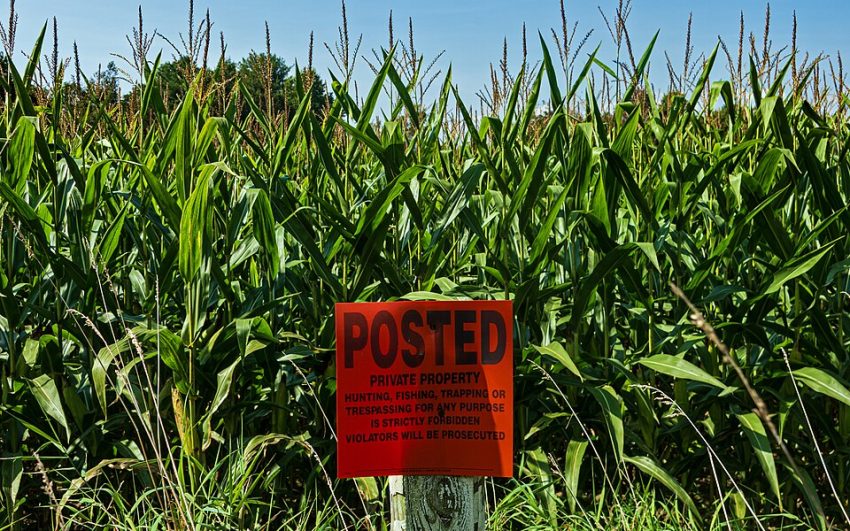
The most glaring issue is trespassing. According to the scout, Crop Tour participants do not obtain permission to enter fields. Stops are made spontaneously along assigned general routes, with no pre-arranged access to specific properties. Organizers instruct scouts to avoid posted fields (those with “No Trespassing” signs), but the fundamental practice remains unauthorized entry onto private land.
“I’ve always wondered what their corporate attorneys have to say about it,” the scout noted, suggesting the longstanding “we’ve always done it this way” attitude has persisted despite growing farmer pushback. He described the nervousness that came with every stop, wondering if an confrontation with a landowner was imminent.
Over hundreds of fields sampled, the scout encountered angry landowners four times, including threats to call the sheriff. Most farmers they met were curious and conversational, but the risk and ethical issue remain. The scout emphasized that the majority of participants are volunteer farmers, not paid staff, and directed complaints toward the organizing companies rather than the individuals in the fields. He questioned what would happen if enough landowners formally objected or pursued action.
Limited Oversight and Volunteer-Driven Sampling
Another revelation is the minimal corporate presence on the tour. Pro Farmer operates with a small staff, with reportedly just five or six employees total. Only one or two paid staffers typically accompany each leg of the tour. The rest are volunteer farmers or media/agribusiness participants (who pay to join). This structure means limited direct supervision of sampling decisions.
Scouts follow a general protocol and route, but they have significant autonomy in choosing exactly where to stop. The scout described truly random selections in many cases, such as pulling into the first accessible field after a turn. This has led to sampling hail-damaged fields, flooded areas (sometimes recorded as zero yield), and occasionally exceptional high-yielding fields.
While the volume of samples may average out extreme outliers, the system relies heavily on individual integrity. A “rogue scout” could theoretically avoid strong fields in favor of weaker ones (or vice versa) without immediate detection. The scout stated he never heard organizers direct participants toward specific field types, but the decentralized nature leaves room for bias.
Corporate Disconnect
The interview also highlighted a surprising gap between the media company running the tour and practical farm knowledge. The scout recounted meeting a Farm Journal vice president on the tour who had never before stepped foot in a soybean field. Incidents like this raise questions about how heavily farmers should weigh the tour’s conclusions when key figures lack hands-on production experience.
Why It Matters to Farmers
The Crop Tour influences market sentiment and price expectations. Farmers whose land is sampled without consent have legitimate concerns about liability, property rights, and the accuracy of data derived from uninvited visits. The reliance on volunteers explains the friendly faces in the fields but does not absolve the organizing companies of responsibility for the methods employed.
The anonymous scout was clear he was not out to destroy the tour. He valued the networking and learning opportunities it provided. Yet the trespassing issue was significant enough that it contributed to his decision to stop participating. He expressed hope that increased awareness and farmer feedback could prompt changes, such as better protocols for landowner respect or more robust oversight.
Farmers concerned about these practices may consider posting fields clearly, documenting any unauthorized entries, and directing concerns directly to Pro Farmer and Farm Journal leadership. As one of the few insiders willing to speak openly, this scout’s perspective suggests the Crop Tour is neither pure public service nor completely unbiased science; it is a volunteer-heavy media endeavor operating in a legal and ethical gray area that has persisted for years.
The full whistleblower interview offers additional context and is available on YouTube for those wanting to hear the discussion directly. As crop reporting and data services evolve, greater transparency and respect for property rights should be non-negotiable. Farmers deserve better than assumptions that private fields are open for random sampling.
