

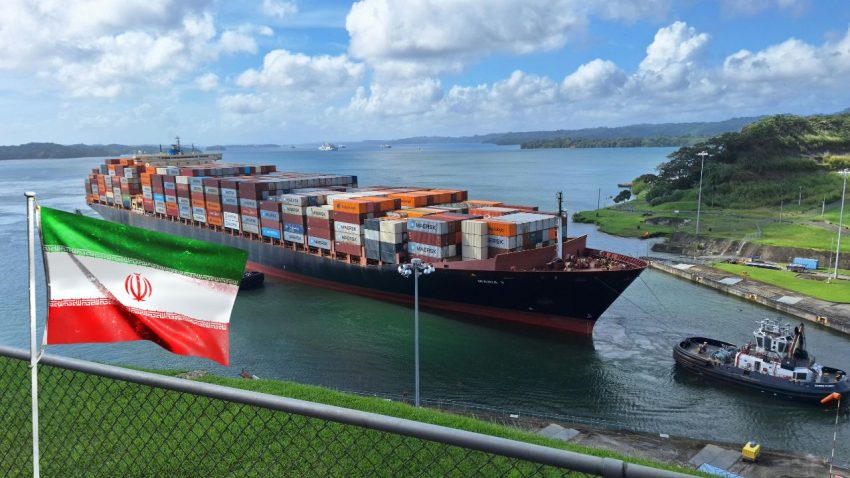
In the wake of the Iran conflict and subsequent de-escalation talks, the Trump administration is pitching a silver lining for America’s struggling farm sector. The administration is saying unfrozen Iranian assets will flow directly into purchases of U.S. corn, soybeans, wheat, and other agricultural goods. President Trump and Vice President JD Vance have repeatedly framed the arrangement as a win-win that feeds hungry Iranians while boosting American farm income.
“We have approval over that process… and then the money would actually go to buy American soy, American corn and American wheat,” Vance said in recent remarks, crediting Jared Kushner for the concept involving Qatari oversight and escrow mechanisms. Trump echoed the sentiment, telling reporters that Iran’s people “are very hungry” and that the purchases would come “exclusively from us.” He added that farmers “are very happy” about the prospect.
Reality Check from Tehran
Iran quickly pushed back. Central Bank Governor Abdolnaser Hemmati and other officials stated that Tehran faces no obligation to spend the newly accessible funds (reportedly including tranches totaling around $12 billion) exclusively on American agricultural products. Iranian statements emphasize that the assets will be available for unrestricted use under the memorandum of understanding to purchase whatever goods the nation needs.
Foreign Ministry spokespeople dismissed U.S. characterizations of mandatory or exclusive purchases. They underscored that the funds come with no such strings attached from Iran’s perspective. This mirrors broader interpretive disputes over the recent Switzerland talks and escrow claims.
Farmers and Markets Remain Skeptical
U.S. agricultural markets and producers show little enthusiasm for the pitch. Soybean and row-crop farmers, already battered by earlier trade disruptions, elevated input costs from the Iran conflict (particularly fertilizer and diesel), and drought pressures in key regions, are not counting on Iranian demand materializing at scale.
Historical U.S. exports to Iran have been minimal due to long-standing sanctions. Any reopening would face logistical, political, and competitive hurdles. Analysts note that even optimistic scenarios would represent a modest offset against broader challenges like fertilizer price spikes tied to disruptions in the Strait of Hormuz during the conflict.
Cash-strapped farmers in states like Iowa, North Carolina, and the Midwest continue to grapple with high input costs and uncertain export markets. Reports indicate that the end of active fighting offers limited immediate relief for planting seasons already impacted or for soybean orders affected by other trade tensions.
Broader Context for AgroWars Readers
This latest episode fits a pattern where geopolitical maneuvers are sold as agricultural boons. The administration has also rolled out bridge payments and referenced future policy supports amid ongoing pressures. However, with Iran rejecting exclusivity claims and futures markets showing no sustained rally on the news, many in the ag community view the rhetoric as more political positioning than a dependable demand driver.
AgroWars will continue monitoring developments in sanctions relief, actual trade flows, and on-the-ground impacts for producers. For now, the promised silver lining looks clouded at best. It serves as another reminder that export promises in tense diplomatic deals rarely translate neatly into bin-busting sales at the farm gate.