

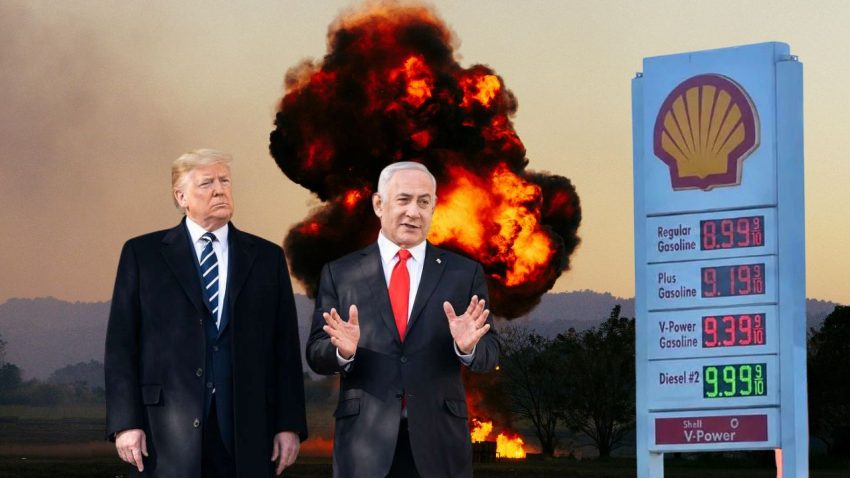
Democrats delivered a historic midterm sweep on November 4, 2026, flipping control of both the House and Senate in a decisive rebuke of President Trump and his administration. The wave hit hardest in traditional red farm states, where voters in agricultural heartlands rejected the status quo over soaring costs, economic pressure, and an unpopular foreign conflict.
Democrats secured at least 255 House seats (well above the 218 needed) by flipping 16 red districts, and flipped seven Senate seats for a 54-seat majority. Key agricultural states led the charge. In Iowa, Democrats took the governorship with Rob Sand, flipped the open Senate seat (Josh Turek over Ashley Hinson), and captured three of four House districts, including seats held by Agriculture Committee members Zach Nunn and Mariannette Miller-Meeks. Kansas elected its first Democratic senator in nearly a century as Adam Hamilton ousted Republican Roger Marshall, a sitting Ag Committee member. Texas sent Democrat James Talarico to the Senate, its first in 38 years. Other flips included Ohio (Sherrod Brown returning via special election), North Carolina, South Carolina, Maine, and Michigan.
Gubernatorial wins extended the shift: Amy Acton in Ohio, Gina Hinojosa in Texas (ousting Greg Abbott after 12 years), and Amy Klobuchar in Minnesota. Several House Agriculture Committee Republicans lost, including Nunn (Iowa), Rob Bresnahan (Pennsylvania), Monica De La Cruz (Texas), and Derrick Van Orden (Wisconsin). The Senate Ag Committee faces major turnover as well.
What this means for farmers
Farm states that long anchored Republican power in Congress helped hand Democrats the keys. Farmers and ranchers had spent the year confronting record diesel prices, delayed farm bill action, and elevated input costs for fertilizer and other essentials. Diesel surges alone raised planting and harvest expenses dramatically. Rising food and fuel prices compounded the squeeze on rural economies. The Iran war, launched as a short “excursion” expected to last a week or two, dragged on and drove energy spikes that hit agriculture especially hard. Beef producers in places like Kansas felt the dual impact of fuel costs and market disruptions, including cheap foreign beef flooding the US.
Voters in these areas treated the midterms as a referendum on the administration’s handling of the economy and foreign policy. High prices, including for fertilizer and diesel, became central campaign issues. Critics framed the conflict as a distraction that ignored the pressures on everyday producers while a billionaire president appeared detached from the common man’s struggles. The result was not merely a partisan switch but a broader rejection of the prior agenda in regions that had delivered strong Republican margins just two years earlier.
Policy implications ahead
With Democrats controlling the 120th Congress starting in January, expect aggressive oversight of the Agriculture Department and pressure on fuel costs, trade, and farm supports. House Ag Committee leadership is likely to shift (Shontel Brown is positioning for the chair), and new members from Iowa, Kansas, and elsewhere will prioritize input affordability and market stability. Democrats campaigned on addressing these exact pain points and will face demands to deliver. The farm bill fight will obviously involve SNAP funding. Trump has signaled willingness to negotiate rather than simply veto, though confrontations over spending and investigations are probable.
The farm bill, trade policy, and energy costs now sit under a different power balance. Rural voters who flipped red districts blue have reset the conversation: input prices, diesel, fertilizer, food inflation, and the real costs of prolonged conflict matter more than loyalty to the previous majority. For AgroWars, this is the clearest signal yet that agricultural America’s patience has limits when the bottom line is squeezed.