

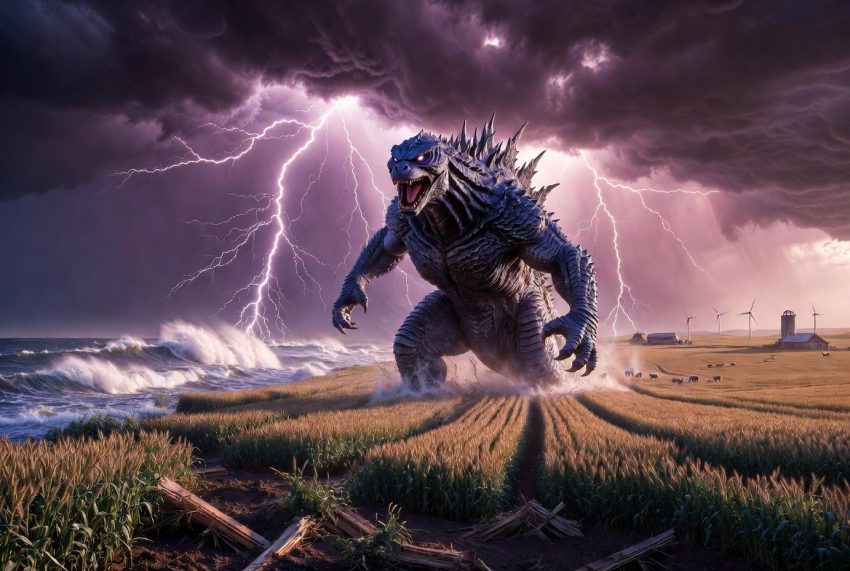
El Niño events are a natural part of Earth’s climate system, characterized by warmer-than-average sea surface temperatures in the central and eastern equatorial Pacific. They typically shift global weather patterns, often bringing drier conditions to parts of Southeast Asia, Australia, southern Africa, and India, while increasing rainfall in the southern US, parts of South America, and elsewhere. A strong or “super” El Niño, sometimes dubbed “Godzilla” in headlines, amplifies these effects and has raised alarms about food production in 2026-2027.
As of mid-2026, forecasts indicate a high likelihood of El Niño developing soon, with NOAA reporting an 82% chance by May-July and strong persistence through the Northern Hemisphere winter 2026-27. Some models suggest it could become strong, though peak intensity remains uncertain.
Sensational coverage linking it to the devastating 1877-78 event (which contributed to widespread famines and millions of deaths in a pre-modern agricultural era) has fueled concern, but context matters.
Potential Global Consequences
Strong El Niños correlate with droughts in key agricultural regions. Southern Africa, Australia, India, Indonesia, and parts of Southeast Asia often face reduced rainfall, threatening staples like rice, wheat, maize, and palm oil. These areas supply significant shares of global calories, and simultaneous disruptions can limit the usual offsetting of shortages across regions.
Rice and other staples: Weak monsoons in India or droughts in Southeast Asia could reduce output, prompting export restrictions and price spikes. Rice, a critical food for billions, is particularly vulnerable.
Coffee, sugarcane, and tropical crops: Heat and dryness in producing regions could cut yields.
Historical parallels: The 1982-83 and 1997-98 strong events caused notable disruptions, including famines in parts of Africa, but modern systems (irrigation, trade, forecasting) have improved resilience compared to the 19th century.
A warmer baseline from long-term climate trends could intensify drought stress even with similar rainfall deficits.
US Agriculture Outlook
For the US, particularly the Midwest Corn Belt, impacts are often mixed or less severe during the main growing season, as El Niño effects peak in winter. Historical data shows variable results for corn and soybeans, with a slight elevated risk of below-trend yields in some analyses but above-average outcomes in others, including potential benefits from warmer or wetter patterns in certain years.
Corn and soybeans: Yields have sometimes been strong in El Niño years due to favorable conditions. However, hotter, drier summers could increase heat stress or drought risk in vulnerable areas.
Wheat: Winter wheat may see benefits from milder conditions in some cases.
Overall: The US benefits from diverse production regions, extensive irrigation in key areas, and robust markets. Major shortfalls are not the base case, though regional variability and higher temperatures remain risks.
The heartland faces challenges, but US agriculture is not uniformly doomed by this pattern.
The Perfect Storm with High Input Costs?
This is where risks compound. Fertilizer prices (especially urea and nitrogen) have surged due to disruptions like the Strait of Hormuz situation, with projections of significant increases in 2026. Diesel and energy costs for farming, transport, and irrigation are elevated.
Lower yields in affected regions would raise demand for inputs where production holds, squeezing margins. Global food prices could rise 10-50% or more for some commodities under severe scenarios, hitting consumers broadly and vulnerable populations hardest.
This combination amplifies pressure but is not unprecedented. Farmers adapt through technology, crop insurance, and management practices. Global stocks and trade provide buffers, though thin stocks heighten volatility.
Is Our Food Supply Resilient Enough?
Modern food systems are more resilient than in past centuries due to:
- Advanced forecasting and early warnings.
- Global trade networks that redistribute supply.
- Technological gains in yields, drought-resistant varieties, and precision agriculture.
- Diversified production (e.g., US, Brazil, and others can offset losses elsewhere).
However, resilience has limits. Concentrated reliance on a few staples and exporting regions, combined with geopolitical disruptions to fertilizers/energy and climate-amplified extremes, exposes vulnerabilities. Poor nations dependent on imports or rainfed agriculture face the greatest threats, potentially increasing food insecurity for tens of millions.
For the US and developed markets, higher prices and volatility are more likely than outright shortages. Adaptation through storage, diversified sourcing, and policy support will be key.
Bottom line: The “Godzilla” El Niño is a credible risk worth monitoring closely, not pure hype. A strong event could disrupt production in vulnerable regions and contribute to higher global food prices, especially layered on elevated input costs. Yet it is unlikely to “absolutely devastate” all global agriculture given historical variability and modern safeguards. Preparation, not panic, is the appropriate response. Farmers, agribusiness, and policymakers should focus on risk management, efficient input use, and supply chain flexibility heading into this period. AgroWars will continue tracking developments as forecasts sharpen.