

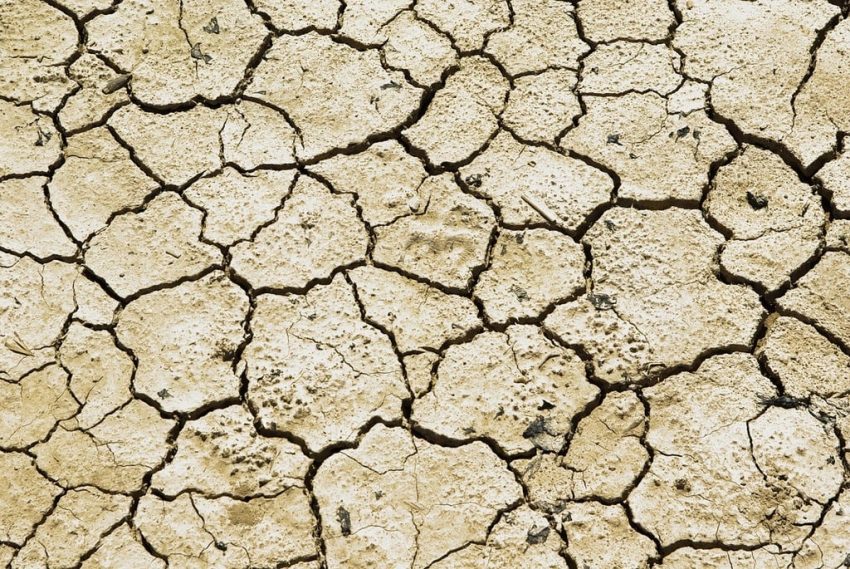
A provocative theory is sweeping social media and independent outlets. The United States allegedly engineered years of crippling drought in Iran using advanced radar installations scattered across Arab countries. Now, after Iran destroyed those very radar systems in recent strikes, torrential rains have returned to the region, filling dams and reviving parched lands. Independent researcher Mike Adams, known as the Health Ranger, highlighted this exact pattern in a widely shared post just days ago, noting that America appeared to be running “weather control warfare” on Iran that nearly rendered Tehran uninhabitable. With a dam in Paveh overflowing for the first time in seven years, many are asking: Was the drought a weapon all along?
America was running weather control warfare on Iran to cause a multi-year drought that very nearly made Tehran uninhabitable. Now that the radar installations have been destroyed, rain returns… https://t.co/30RhCZh3je
— HealthRanger (@HealthRanger) April 18, 2026
The timing is impossible to ignore. Iran endured a multi-year dry spell that devastated agriculture, depleted reservoirs, and pushed the capital toward crisis levels. Then came the destruction of key US radar sites, including high-power systems in Qatar, Jordan, and the UAE. Almost immediately, reports of heavy rainfall surged across Iran, Afghanistan, and even parts of Egypt. Cloud-seeding efforts by Iranian authorities played a role starting late 2025, but the sudden shift after the radar takedowns has fueled speculation that those installations were more than defensive tools. Patents and declassified documents on ionospheric heating and phased-array technology have long circulated among researchers questioning whether such systems could influence weather patterns on a regional scale.
Now consider the situation here at home. As of mid-April 2026, nearly half the US population lives under drought conditions, with extreme to exceptional drought gripping large portions of the Southeast, Great Plains, and West. In the central US, home to the nation’s breadbasket, nearly 70 percent of the region shows some level of dryness or drought, hammering soil moisture, pasture conditions, and planting schedules.
Farmers report fields too dry for germination, livestock operations forced to feed hay year-round, and fire risks spiking. Agricultural land across key production zones is suffering exactly when global food supplies already face pressure.
Is it purely natural variation, or could sinister forces be at play using our own government’s technology? The same administration and agencies that have poured billions into weather-modification research and surveillance infrastructure now preside over domestic farmland turning to dust. Add in the fertilizer crisis triggered by the ongoing Middle East conflict. Surveys from the American Farm Bureau Federation reveal that 70 percent of US farmers cannot afford enough fertilizer for the 2026 season, with shortages and skyrocketing prices linked directly to disruptions in the Strait of Hormuz.
Supply chains for critical inputs have tightened, forcing many producers to cut back on acreage or yields. The result is a perfect storm of engineered scarcity: drought on the ground, fertilizer out of reach, and global markets squeezed.
While family farms and rural communities scrape by, what remains of America’s water resources is increasingly funneled elsewhere. Massive data centers, many tied to AI development, are guzzling billions of gallons annually for cooling. Projections show US data centers could consume tens of billions more gallons by the end of the decade, with facilities clustered in already drought-stressed regions.
These are not humble operations generating funny AI videos for social media. They power sprawling surveillance networks, predictive analytics, and control systems that critics liken to a “Skynet” framework for mass monitoring of the population. In an era of expanding digital oversight, every drop diverted to server farms means less for irrigation, less for livestock, and less resilience against the very droughts now hitting American soil. Hey, but at least we have Palantir’s new One Farmer, One File!
AgroWars readers have seen this pattern before: crises that weaken food production while strengthening centralized control. Fertilizer shortages compound the drought damage. Water gets redirected to tech overlords instead of the fields that feed nations. And the public is left wondering whether these are random misfortunes or coordinated steps toward engineered famine and dependency.
The theory about Iran’s drought may sound far-fetched to some, but the evidence of timing, technology, and motive demands scrutiny. As America’s own agricultural heartland withers, the question is no longer theoretical. Are the same tools being used against us? And who benefits when the world kneels before drought, famine, and surveillance? The answers may determine the future of food sovereignty itself.