

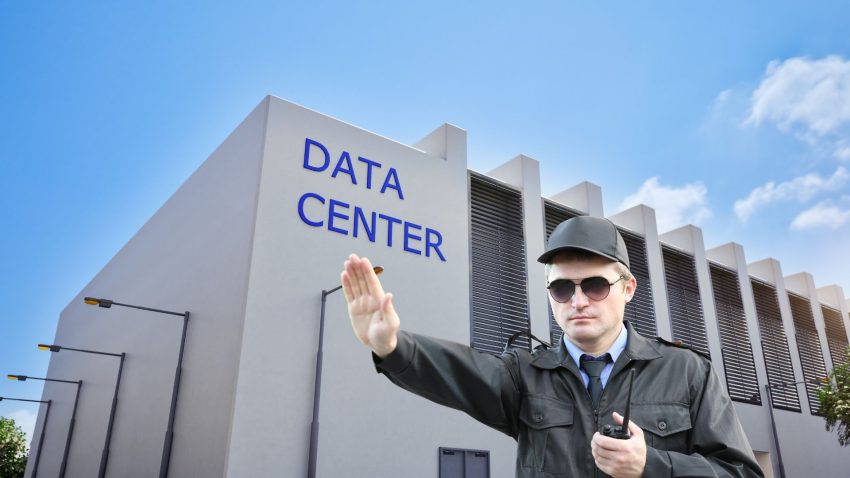
Federal law enforcement and intelligence agencies are increasingly framing opposition to data centers and artificial intelligence infrastructure as a potential domestic threat category known as “anti-tech extremism.” Internal documents obtained by WIRED reveal more than 1,000 pages of reports from the Department of Homeland Security, FBI, and regional fusion centers that monitor protests, public meetings, and criticism of AI-driven development.
As Americans stew over the looming risk of job-stealing AI and data centers in their back yards, the feds are raising the alarm about a new category of threat, documents obtained by WIRED show. https://t.co/TZ1yVHlKNf
— WIRED Science (@WIREDScience) May 26, 2026
Rural and suburban communities across multiple states have organized against data center projects. Residents raise concerns about the conversion of farmland, high water consumption for server cooling, increased electricity demand, higher utility rates, noise pollution, and limited permanent local employment. Many projects offer temporary construction jobs but rely on automated operations and out-of-area specialists.
These local efforts include town hall protests, petitions, rezoning challenges, and moratorium proposals in states such as Wisconsin, Illinois, Pennsylvania, New Jersey, Utah, and Texas. Participants describe their actions as civic engagement to protect agriculture, water resources, and quality of life.
Intelligence reports link this activity to broader worries about AI job displacement and infrastructure strain. A New York Intelligence and Counterterrorism Bureau assessment warns that rapid AI adoption could fuel large-scale protests that devolve into civil unrest and “anti-tech violent extremist activity.” Other documents reference suspicious activity indicators that include photographing construction sites and attending public meetings.
"Anti-Tech Extremism"
On May 26–27, 2026 the words were coined for Law Enforcement in order to prevent AI Hatrrd.
This is real and they've cranked up the surveillance with the Patriot Act.
I don't know how much more WINNING I can handle‼️ pic.twitter.com/papv987u0J— Coyote of Wallstreet (@YoteOfStreet) May 27, 2026
Legal experts and civil liberties advocates express concern that the broad framing risks chilling legitimate dissent. Activities such as participating in local government hearings or voicing resource allocation worries could be flagged in threat assessments. Critics argue this approach equates peaceful advocacy with potential violence, drawing from past patterns where protest movements faced heightened scrutiny.
Supporters of the monitoring point to isolated incidents of attacks on technology executives and the strategic importance of data centers to national competitiveness in AI. They emphasize the need to protect critical infrastructure amid competition with other nations. However, most documented opposition remains nonviolent and focused on local planning and environmental reviews.
The emergence of “anti-tech extremism” as a tracking category coincides with aggressive federal promotion of AI and data center expansion. Communities continue to debate the balance between technological advancement and local impacts. How authorities distinguish between protected speech, lawful protest, and genuine threats will shape public trust in these oversight efforts.