

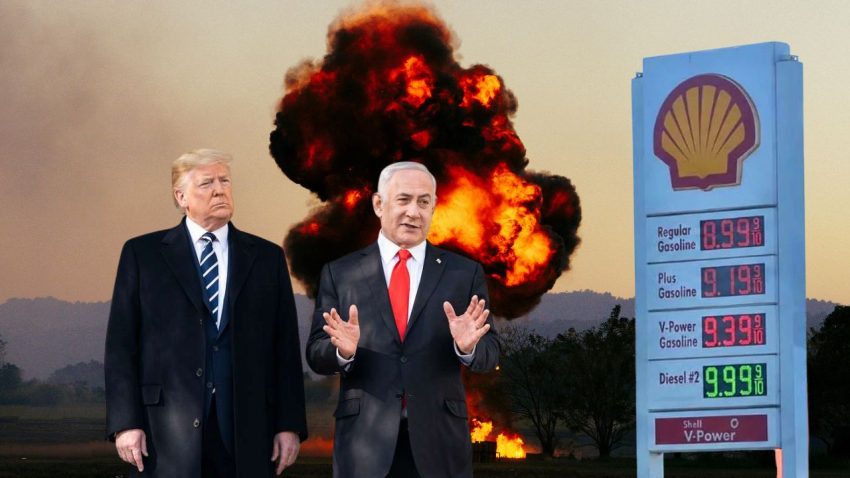
American farmers are staring down an unmitigated disaster. Costs are crushing margins. Markets are vanishing. Bankruptcies are climbing. Family operations that have fed this country for generations are going under while the people who grow the food and the people who buy it both struggle to stay afloat. This is not a left problem or a right problem. It is a failure of the system that claims to represent rural America.
As much as some of us could criticize Sleepy Joe and Kamala Harris, they are not in power. The current administration and Congress own the present reality. Yet look closely and the pattern holds. Both parties keep feeding the same machine. Endless wars that spike diesel and fertilizer prices. Massive spending that inflates everything farmers buy. Trade fights that close off markets without securing reliable alternatives. The result is the same regardless of who holds the White House or the gavels, and it has only gotten worse.
Senate Agriculture Committee member Peter Welch recently pointed out the farm economy is being hit hardest by the Iran war. A $1,500 extra charge just to fill a combine. Immediate spikes in diesel and fertilizer. Immediate loss of markets. Tariffs with Canada are disrupting cross-border business for equipment and products. Iowa Farmers Union President Matt Russell notes that federal ag investments often favor consolidation, big agribusiness, and global companies over rural people. When farmers earn less than the cost of production year after year, the programs and the system are not working. Rural advocates from the Center for American Progress have said it plainly: farmers cannot stay above water and consumers cannot afford food. That system is broken.
Both major parties appear to agree on the things that matter most to the establishment. War continues without clear ends or real accountability. Spending rolls on. The country stays addicted to conflict that drives up input costs for every acre planted. At the same time, cultural decay accelerates with little pushback from either side. Platforms that turn masses of young women into online prostitutes via OnlyFans face no serious moral challenge. Gambling expands into every corner of daily life. There is no consistent morality. There is no evident care for the average American who works the land or clocks in at a factory. Politicians serve the people who bankroll their campaigns, not the constituents who vote for them and pay the taxes. Not coincidentally, AIPAC’s biggest donor was the late owner of OnlyFans, Leonid Radvinsky. The biggest donor to Trump’s campaign was Miriam Adelson, who paid him with her casino cash. And, of course, AIPAC and its affiliates have been a massive force in pushing the US into war with Iran. It’s all connected, folks.
Farmers feel the pain every season. Commodity prices hover near or below the cost of production for major crops. Input expenses keep rising. Export markets shrink under tariff retaliation. Government payments provide temporary patches but do not fix the underlying cost-price squeeze or the tilt toward larger operations. Hundreds of thousands of farms have disappeared in recent years. Bankruptcies are up sharply. Mental and financial strain is real in rural communities. Yet the political class still treats agriculture as a talking point rather than a priority that requires focused, practical policy.
Partisan score-settling will not refill the diesel tank or reopen a lost Chinese soybean market. Blaming the other side will not lower fertilizer prices driven by distant conflicts. Farmers need to set that aside. The disaster is bipartisan in its causes and its neglect. What is required is a better system that actually serves the people who produce the food. One that prioritizes family operations over corporate consolidation. One that measures success by whether producers can cover their costs and stay on the land, not by how much money flows to donors or how long the next foreign entanglement lasts. One that restores some basic sense of responsibility and restraint instead of endless spending, endless war, and cultural free-fall.
Rural America has always been practical. The work does not care about party labels. Neither should the response to this crisis. Acknowledge the disaster for what it is. Demand policy focused on the people who grow the crops and raise the livestock. Anything less leaves farmers underwater and the rest of the country paying the price at the grocery store. The system that bankrolls campaigns has failed the constituents. It is time for something that serves them instead.