

Too many operations keep grinding through the same routines year after year and wonder why margins stay thin, soil degrades, and the work feels harder for the same or worse results. The land and livestock have more to give. The political shouting matches that frame farming as a forced choice between “conventional production” and “regenerative everything” miss the point entirely. Both camps contain winners and strugglers. The real question is simple: what actually works on the ground, and why stay locked into methods that no longer deliver when proven alternatives exist right now?
The core trap is habit dressed up as tradition. Farmers who observe honestly and test small changes often find they can raise more animals on the same acres, cut purchased inputs sharply, build soil that holds water better in drought and drains better in heavy rain, and still turn a stronger profit. These gains do not require signing on to any political program or buying into overhyped marketing claims. They come from better management of what is already on the farm.
This was recently addressed in an insightful article.
The False Choice Facing American Agriculture https://t.co/rLtLVjgAfJ pic.twitter.com/5UBXu0Kjcw
— Tractor Report (@tractorreport) July 21, 2026
The False Choice That Keeps People Stuck
One side insists the only path to feeding the country is maximum output with heavy reliance on purchased fertilizer, feed, and chemicals. The other side sometimes paints every established practice as destructive and pushes sweeping changes wrapped in big-government language. Both extremes ignore the farms that already combine solid production with lower costs and improving land. Success stories exist across labels because the best operators focus on results, not team jerseys. They watch what the pasture and animals actually do, then adjust.
Real Management Changes That Pay Off
On one working ranch, pigs had always been managed in the usual way. After visiting other operations and questioning old habits, the team built larger paddocks, gave the animals more access to pasture, and adjusted feed delivery. The pigs gained the same weight on the same land while using roughly half as much purchased feed. No miracle ration. Just better use of the forage already growing. The cost savings went straight to the bottom line.
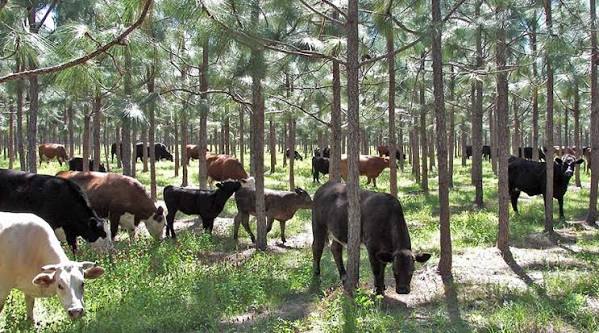
With cattle, the shift was even simpler in execution. Instead of one big move every few days, they moved animals more often by shifting a single strand of wire forward 20 or 25 feet multiple times a day. The cattle followed fresh forage naturally. Pasture got longer recovery periods between grazings. The improvement in grass cover and overall condition became obvious quickly. Neither extra labor nor new equipment was required, just consistent attention to what the land could support when given proper rest.
These are not isolated fairy tales. Similar patterns show up on operations that practice planned, multi-paddock grazing. One well-documented example comes from Polyface Farms in Virginia. By moving livestock frequently across diverse pastures and integrating multiple species, the operation dramatically increased forage utilization. Typical neighboring farms fed hay for roughly 120 days in winter. Polyface reduced that to about 40 days while tripling production per cow in the process. Carrying capacity per acre rose sharply compared with set-stocking or infrequent rotation systems.
The same principles scale. Diverse forage mixes, shorter graze periods, and adequate recovery time build deeper root systems and higher organic matter in the soil. Healthier soil holds more water, cycles nutrients more efficiently, and supports stronger plant growth with less purchased fertilizer over time. Animals eating fresher, more varied forage tend to perform better and require fewer interventions. These are measurable, repeatable outcomes, not slogans.
Sorting Real Results from the Hype
Plenty of regenerative-sounding claims float around that lean more on marketing or political agendas than on farm-level data. Some versions get tied to large-scale policy pushes that promise broad transformations while glossing over practical limits, scalability questions, or full cost accounting. That does not mean every practice labeled “regenerative” is worthless. It means farmers should demand proof on their own ground rather than adopt anything wholesale because it sounds virtuous.
Focus on the pieces that deliver clear wins: lower feed and fertilizer bills, more pounds of meat or milk per acre, pastures that bounce back faster after weather extremes, and soil that improves instead of steadily declining. These benefits show up when managers pay attention to timing of moves, rest periods, forage diversity, and animal impact. They do not require abandoning every conventional tool or buying into any single ideology.
How to Get Out of the Rut
Start small. Walk your pastures and actually measure what is there. Talk with neighbors who are getting different results, even if their system looks odd at first. Visit operations that have already made changes and ask for specifics on costs, labor, and yields. Test one adjustment on a few acres or a single group of animals. Track the numbers yourself. Nature will tell you quickly whether the change is working.
The operations that keep improving are the ones whose operators stay curious. They borrow good ideas wherever they find them, keep what pays, and drop what does not. Labels matter less than outcomes. Healthier soil, healthier livestock, solid yields, and stronger profits are not opposing goals. They are what happens when you stop repeating the same moves that stopped delivering years ago.
The greatest asset on any farm is still the person willing to ask, “What if there is a better way right now?” Plenty of evidence says the answer is yes. The only real cost is staying stuck in the old rut while the land and the market move on.