

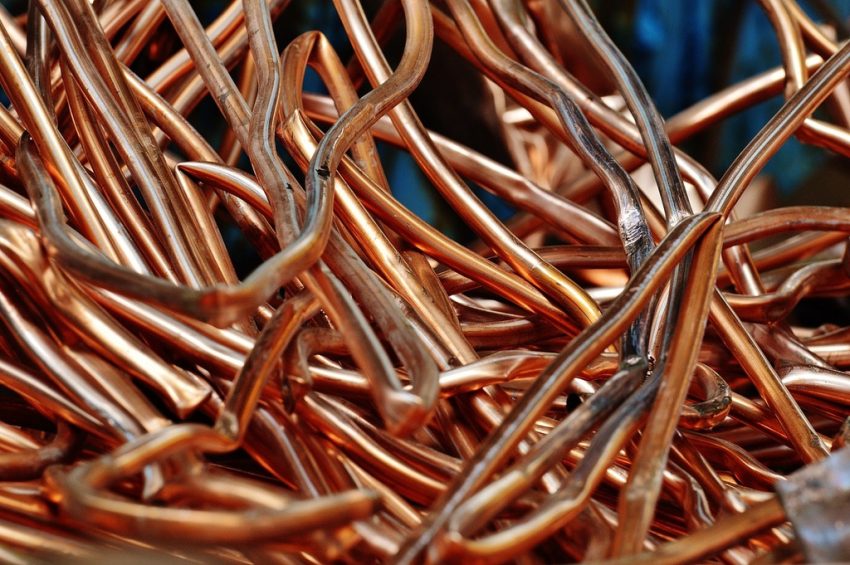
Copper theft has exploded across U.S. farmland, turning remote pumps, irrigation systems, and equipment into high-value targets for criminals. According to a detailed report by Chris Bennett for AgWeb, the problem has reached epidemic levels and is poised to worsen as copper prices climb.
The metal recently set historic highs. In September 2026 it reached $6.96 per pound, with prices up about 16 percent for the year. Demand from data centers, electric vehicles, solar projects, and general construction continues to drive values higher, with projections of significantly greater consumption over the next decade. That rising price tag makes every length of wire on a farm more attractive to thieves.
Farm operations are loaded with copper. Irrigation pumps, wells, electrical panels, solar arrays, vehicles, machinery, and center pivots all contain substantial amounts of the metal in wiring and components. Pivot systems, which stretch across large fields to deliver water, are especially exposed. Thieves can work quickly at night in isolated locations, strip out the copper, and disappear before the damage is even discovered. Repair bills often run into the thousands of dollars, crops suffer from interrupted irrigation, and insurance premiums climb. The Department of Energy estimates copper theft drains more than $1 billion from the U.S. economy each year, with agriculture taking a heavy share of the hit.
These sites are difficult to guard. Farms sprawl across remote acres. Constant physical presence is impractical and expensive. Standard fences, concrete barriers, and cameras often fail. Thieves cut through barriers, wear masks, and return repeatedly to the same locations because the risk of immediate detection or meaningful consequences has traditionally been low.
California farmer Tim Gomes of Merced County learned that reality the hard way. A 35-year farming veteran growing almonds, corn, tomatoes, and wheat, Gomes had endured repeated copper thefts and break-ins. In 2024, after an alarm went off at a farmhouse near one of his orchards, he went to investigate. He confronted one man loading stolen materials onto a trailer. A second thief emerged from the trees and struck Gomes in the head with a claw hammer. Bleeding and on the ground, Gomes fought back, kicking at his attackers until they fled. He required five staples in his head and was sidelined from farming for months. The suspect identified in the attack, Dean Mathew Martin, faces charges including assault with a deadly weapon and robbery, but more than two years later the case has dragged through dozens of court appearances with no trial.
“As terrible as copper theft has been, then just watch: It’s going to get much worse,” Gomes told AgWeb. He added, “Don’t expect law enforcement or the courts to do anything. What happened to me was a nightmare and it could happen to anyone.” Later, after another theft at the same site, he said, “As bad as it is right now, this whole theft situation in agriculture is about to get crazier and crazier.”
What can farmers do? Traditional measures alone are often insufficient, but technology is changing the equation. Bobby Rader, a longtime agricultural crimes investigator and now police chief in Porterville, California, developed the COP-R-LOCK system after years of watching the same thieves cycle through the justice system with little accountability. The system, commercialized by Farmblox, integrates a trigger wire into conduit at pumps, panels, and equipment. Cutting the conduit immediately triggers blinding lights, loud sirens, and instant notifications to the owner, family members, and law enforcement. It also covers opened panels, cut solar wiring, and fences, and can incorporate cameras. The goal is to shrink a thief’s window of opportunity from hours or days to minutes.
Marc Printz, founder of Farmblox, notes that the system now protects more than one million acres of farmland. “Copper thieves come back over and over to steal again and again, but there’s finally a way to truly stop them,” Rader has said. Printz adds that the approach costs a fraction of a typical theft’s total impact when crop losses and higher insurance are factored in. Gomes installed the system and reports he has not been hit since. “Thieves want easy, uninterrupted targets. This is the total opposite,” he said.
Additional steps include improving lighting and visibility at critical sites, coordinating with neighbors for mutual watchfulness, documenting equipment thoroughly for insurance, and promptly reporting every incident so patterns can be tracked. Some states are tightening scrap-metal purchasing rules and enhancing data sharing among law enforcement. Still, many producers emphasize self-reliance. “Never depend on the courts or judicial system for protection,” Gomes said. “In the meantime, I’ll protect my property.”
As copper remains essential to modern infrastructure and its value stays elevated, the incentive for theft will persist. Farms that treat security as a core operational priority, combining practical deterrents with rapid-response technology, stand the best chance of keeping their equipment, water systems, and livelihoods intact. The AgWeb reporting makes clear that for many growers the question is no longer whether copper thieves will target them, but how prepared they will be when it happens.