

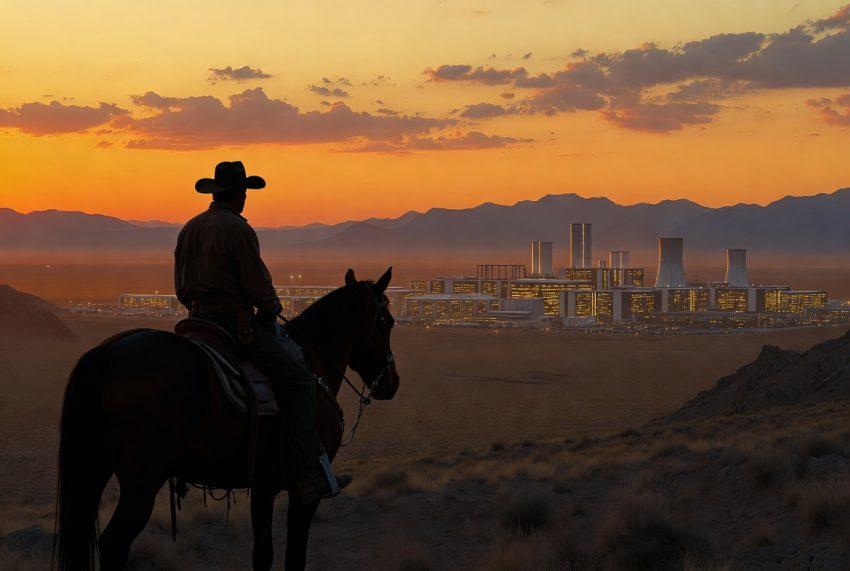
The Bureau of Land Management has approved the construction of the Townsite Data Center on 88.5 acres of public land near Boulder City, Nevada. This marks the first time a data center has been permitted on BLM-managed public lands. What makes this decision particularly troubling is how it was handled, as the agency repurposed an existing approval for a solar energy project without a fresh environmental review or meaningful public input.
Originally greenlit in 2023 as Townsite Solar 2, the project was quietly switched to a power-hungry AI data center earlier this year. The BLM justified the change by claiming the data center was “substantially the same” as the solar facility in terms of acreage, construction timeline, and footprint. Critics, including environmental groups and local officials, strongly disagree. They point out massive differences in resource demands that were never properly studied.
This 167-megawatt facility is expected to consume far more electricity than the entire neighboring community of Boulder City. Water needs jump dramatically too. While the solar project would have used about 25 acre-feet, the data center could require up to 560 acre-feet, potentially drawing from treated wastewater in the Colorado River Basin or other strained sources in the arid West.
For rural Americans, and especially farmers and ranchers who depend on reliable access to water and affordable power, this approval sends a chilling signal. Public lands, long stewarded for multiple uses including grazing, agriculture, and conservation, are now being opened to high-consumption private tech infrastructure. Once this precedent is set, similar projects could proliferate across the West, where BLM manages vast stretches of land.
Data centers are notorious for their thirst. Even with air-cooled systems, they pull significant volumes of water for cooling servers that run nonstop to train and operate artificial intelligence models. In regions already facing drought, aquifer depletion, and competition for irrigation water, every additional industrial demand puts pressure on agricultural users. Farmers and ranchers often find themselves at the back of the line when municipal or corporate interests secure priority access.
Power is another flashpoint. These facilities require enormous, constant electricity supplies that can strain rural grids. Ratepayers in surrounding areas frequently shoulder higher costs as utilities scramble to meet the surge. In Nevada and across the interior West, where many agricultural communities already manage tight energy budgets for pumps, processing facilities, and homes, this added load could drive up expenses and reduce reliability during peak seasons.
The lack of transparency compounds the concern. Local residents and stakeholders learned of the major pivot after the fact. Appeals have been filed by groups including the Center for Biological Diversity, the Sierra Club, and Boulder City itself, arguing that the process bypassed required scrutiny of impacts on desert tortoise habitat, air quality, noise, and heat emissions.
While this one project is bad enough, the precedent being set is the real trouble. It establishes a fast-track model for converting public land approvals into corporate data center developments. With federal pushes to accelerate data center permitting, rural communities far from tech hubs could soon see their open spaces, watersheds, and energy resources redirected to serve distant AI ambitions.
Farmers and ranchers understand multiple-use public lands better than most. They support balanced development, but not at the expense of quietly handing over scarce resources to industries that offer little direct benefit to local agricultural economies. The BLM’s decision risks prioritizing hyperscale computing over the foundational needs of food production and rural livelihoods.
AgroWars will continue tracking this story and similar efforts. Rural America deserves a seat at the table when decisions about public lands, water, and energy could reshape the future of farming and ranching for generations. This approval should serve as a wake-up call to defend those resources before more precedents lock them away.