

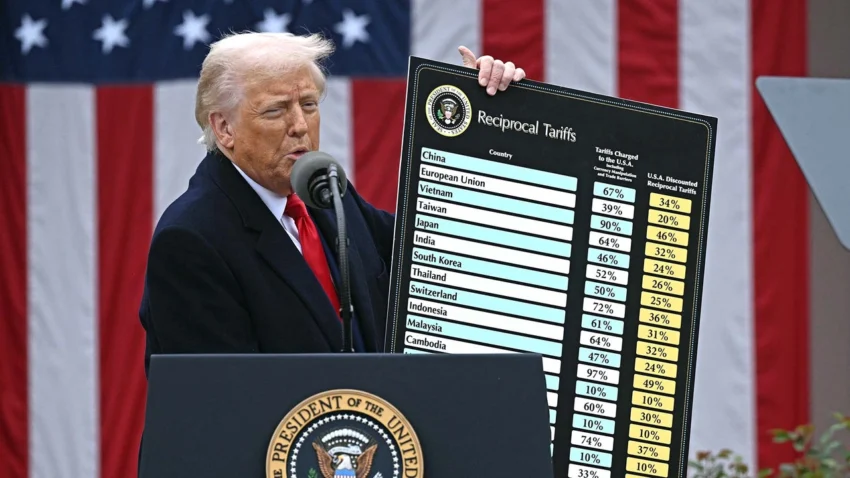
In a significant development for American agriculture, Senate Democrats are pressing the Trump administration to refund billions in tariffs deemed illegal by the Supreme Court. The ruling struck down President Trump’s use of the International Emergency Economic Powers Act (IEEPA) to impose broad import tariffs, which collected over $130 billion since his inauguration in January 2025. This has sparked hope among ag businesses that bore higher costs for imported machinery, parts, and inputs, but substantial hurdles remain.
The Democratic effort gained momentum with a letter sent to Treasury Secretary Scott Bessent, demanding immediate automatic refunds through U.S. Customs and Border Protection. Signed by Senate Minority Leader Chuck Schumer and others, it accuses the administration of stonewalling and calls for a 90-day timeline to start repayments. Building on this, Senators Ron Wyden, Edward Markey, and Jeanne Shaheen introduced the Tariff Refund Act of 2026, requiring full refunds with interest within 180 days, prioritizing small businesses. The bill aims to return funds to importers, manufacturers, and ultimately consumers who absorbed the costs.
For ag businesses, these tariffs inflated expenses on essential imports like steel for equipment and foreign-sourced fertilizers, compounding losses from retaliatory measures by trading partners. Farm groups have voiced support for refunds, viewing them as partial relief after years of trade disruptions that depressed commodity prices and export volumes.
Yet uncertainty clouds the horizon. The Trump administration has refused to initiate refunds, with the president suggesting litigation could drag on for two years. Treasury officials defer to lower courts, while the Supreme Court remanded the case without mandating repayments. With Democrats in the minority, passing the refund bill faces steep odds in a divided Congress. Legal challenges from states and businesses are mounting, but outcomes remain unpredictable. As ag operations grapple with ongoing trade tensions, refunds appear possible, but unlikely anytime soon.