

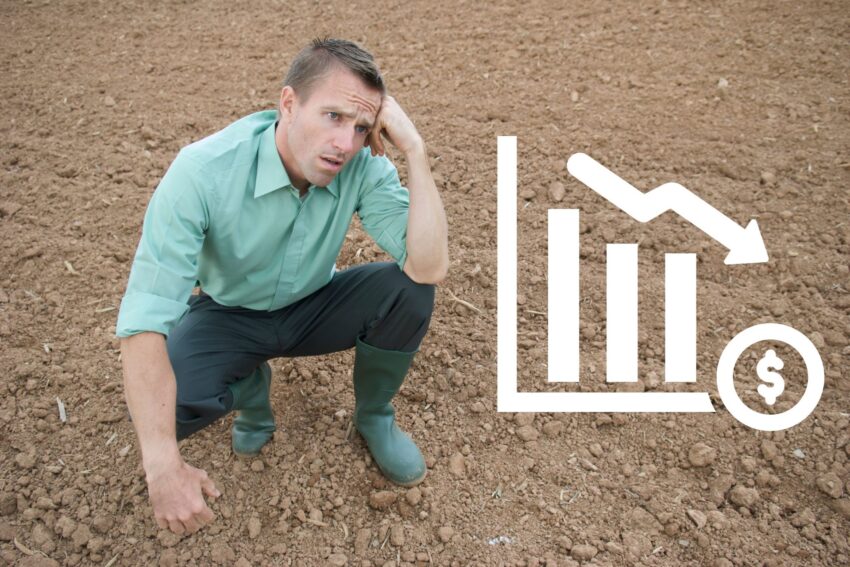
Farmers, the men and women who feed not just the United States but much of the world, are facing unprecedented volatility from market swings, erratic weather, rising input costs, and political storms that threaten to upend operations built over generations. And the human toll is staggering. According to the National Rural Health Association, male farmers are 3.5 times more likely to die by suicide than the general population.
This is not a new story. The scars from the 1980s farm crisis still linger, and bankruptcies have been climbing since 2019. Yet as we head deeper into 2026, the pressures have only intensified. Financial stress, geographic isolation, and a deep-seated cultural stigma make asking for help feel like weakness. As Tim Sullivan, executive director of Farm Rescue, put it in a recent report: “Farmers, they are the first ones to lend a helping hand to a neighbor or a friend, but they are the last ones to actually ask for help. And, so, that continues today. That stigma is still around.”
A KFYRTV report from April 9, 2026, underscores that these struggles affect farmers across every age group, from teenagers stepping into the family business to 80-year-olds still working the land they inherited. Causes range from commodity price crashes and skyrocketing equipment costs to the sheer unpredictability of nature itself. One bad harvest, one trade war ripple effect, or one regulatory burden can push a multi-generational operation to the brink. Farm owners do not just manage a business; they carry the weight of feeding America, preserving soil for future generations, and upholding a way of life that built this country.
A Tone-Deaf Moment in the Spotlight
Recent headlines offered a stark illustration of how disconnected some voices in power can be from the realities on the ground. During a White House event on March 27, 2026, President Trump addressed a crowd of farmers while a gleaming, gold-wrapped Fendt 1167 Vario tractor, signed and displayed as a centerpiece, distracted the proceedings. Trump paused to admire it: “That’s a beautiful tractor. That’s a gold tractor. Somebody had me in mind.” He then downplayed ongoing struggles, telling the group, “I just gave you 12 billion dollars. I don’t know if you know that or not. You make enough money. It doesn’t matter to you, right?”
The optics were jarring. While farmers grapple with squeezed margins, tariff fallout, and input costs that have ballooned beyond control, the spectacle of gawking over luxury machinery sent a clear message: the pain on the farm is not registering at the highest levels. Whether intentional or not, that moment crystallized the disconnect. Farmers are not complaining about “not making enough.” They are fighting for survival so they can keep passing down the family name attached to those fields.
The Stakes Could Not Be Higher
Family farms are not interchangeable corporations. They represent blood, sweat, and sacrifice across generations, land worked by grandparents who survived the Dust Bowl, parents who weathered the 1980s crisis, and children now inheriting not just acreage but crushing debt and uncertainty. When a farm folds, it is more than lost revenue; it is a legacy erased, rural communities hollowed out, and local economies destabilized.
Meanwhile, global market forces and government policies add fuel to the fire. Trade disruptions, subsidy battles, regulatory overload, and climate volatility create a perfect storm. One miscalculated tariff or delayed relief package can cascade into widespread foreclosures. The result is that farmers internalize failure as personal, not systemic. Shame compounds isolation. And too often, the only perceived escape is permanent.
This mental health emergency demands immediate, sustained action, not platitudes or photo-ops. We need expanded access to confidential counseling tailored to agricultural realities. Farm Rescue and similar organizations are doing vital work, but they cannot shoulder it alone. Policy must prioritize real relief: streamlined disaster aid, fair trade deals that do not punish producers, and incentives that reward stewardship rather than punish it. Mental health training for ag lenders, veterinarians, and co-op staff could turn everyday interactions into lifelines. Most importantly, we must shatter the stigma. Farmers are problem-solvers by nature; framing help-seeking as strength, not surrender, is essential.
Farmers Feed the World: It Is Time We Fed Them Support
America’s farmers and ranchers power our food security, our economy, and our rural identity. They take on risks that would terrify most corporate executives: betting the farm, literally, on weather patterns, global prices, and bureaucratic whims. In return, they deliver the safest, most abundant food supply on the planet.
The volatility is not going away. If anything, it is accelerating. A massive crisis driven by government blunders and unchecked market forces is not a hypothetical; it is the trajectory we are on unless we change course. Supporting farmers preserves multi-generational legacies that define who we are as a people.
The mental health crisis in agriculture is serious. It is deadly. And it is solvable, if we choose to act. Farmers have always been there for the rest of us. Now it is our turn to show up for them. Reach out. Check in. Advocate. Because the next generation of American agriculture depends on it.
Resources: Visit Farm Rescue or the National Rural Health Association for confidential support tools. If you or someone you know is struggling, the National Suicide Prevention Lifeline is available 24/7 at 988.