

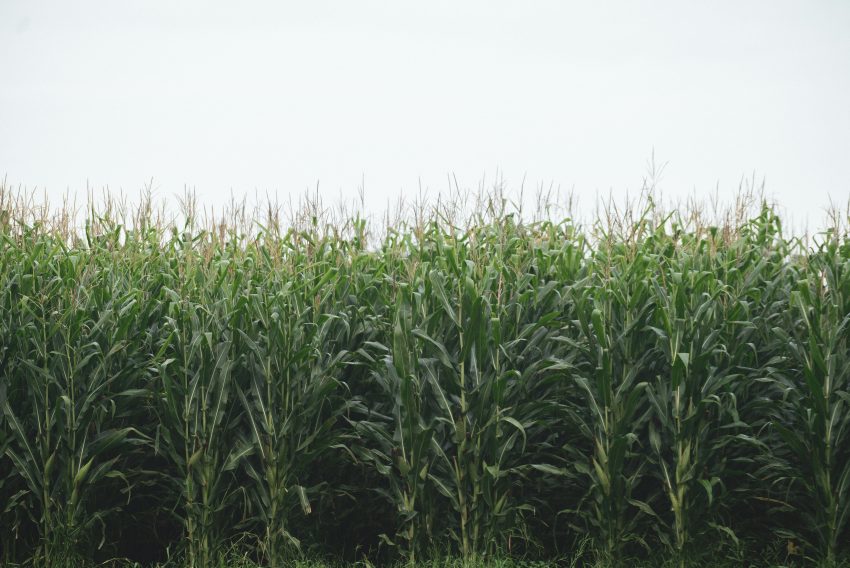
In the competitive world of modern agriculture, the pursuit of record-breaking yields has long tempted farmers. Many have chased the excitement of surpassing a neighbor’s harvest or earning recognition at the local co-op. However, as economic pressures mount in 2026, it is time to ask whether this approach remains worthwhile. With input costs rising steadily and commodity prices staying low, the effort to gain a few extra bushels per acre frequently costs more than it returns. For many operations, long-term success depends less on maximum production and more on careful efficiency. The goal should be to reach a balanced level of yields that are strong yet affordable, rather than pushing to outdo others or claim top honors.
The current farm economy faces significant challenges. Net farm income is projected to decline slightly in 2026, and production expenses for major crops such as corn, soybeans, and wheat continue to increase. Per-acre costs for corn are expected to rise notably, while soybean expenses climb as well. Commodity prices offer little comfort, with corn, soybeans, and wheat trading at levels that often fail to cover break-even points for many growers. Fertilizer prices have risen sharply in recent years, driven by higher natural gas costs and other factors, and overall farm input expenses remain elevated. Labor, interest rates, and equipment costs add further strain. These conditions have left many farmers focused on survival rather than expansion.
Chasing record yields usually requires heavy investment in inputs, including increased fertilizer, pesticides, seeds, and sometimes irrigation or advanced technology. While these steps can lift output modestly, the additional returns often do not offset the added expense. In a market where each bushel may generate a loss on average, the push for top yields can turn a manageable operation into one that loses money. The primary beneficiaries of this strategy tend to be the suppliers of those inputs, such as fertilizer companies, pesticide manufacturers, and seed producers, along with grain traders who gain from increased volume that can further depress prices through oversupply.
A more effective path involves aiming for a practical sweet spot, where yields remain substantial but input use stays controlled. This approach emphasizes efficiency through better soil management, precise nutrient application, and thoughtful crop rotation. Practices such as regular soil testing and variable-rate technology allow farmers to apply only what is truly needed, often reducing fertilizer and other costs without a large drop in production. Integrated pest management helps limit pesticide reliance by focusing on monitoring and natural controls. Diversifying rotations builds soil health and spreads economic risk. Pairing these methods with smart marketing, such as securing prices ahead of harvest, provides greater stability than depending solely on high volume.
In many cases, the highest possible yields lead to financial strain, while more moderate but efficient production keeps the farm profitable. For a typical operation, aggressive input strategies can erase margins entirely, whereas a balanced plan preserves cash flow and resilience.
As economic uncertainty persists in 2026, farmers have an opportunity to shift priorities. Government support may provide temporary relief, but lasting viability comes from internal strategy. Moving away from the obsession with maximum yields is not about accepting less. It is about building operations that endure market volatility. By focusing on efficiency and true profitability rather than bushel counts, growers can redefine success and secure a stronger future for their farms. The real measure of achievement in agriculture lies not in the largest harvest, but in the healthiest bottom line.