

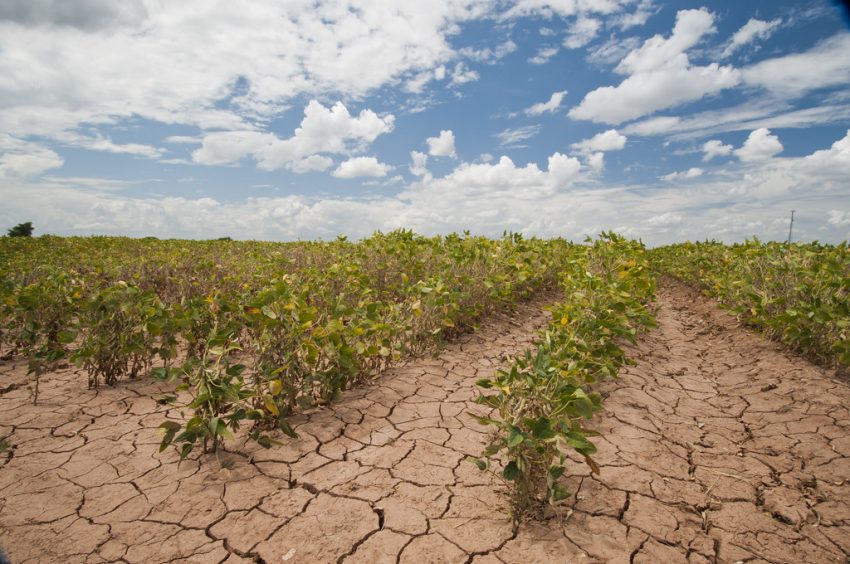
In the fields of America’s farmlands, water is not just a resource. It is ammunition in an escalating war. Farmers are caught in crossfires from international disputes to bureaucratic boardrooms. All this happens while droughts rage and new tech giants siphon off precious supplies. This is not some dystopian future. It is the reality of early 2026, where a single bad policy or dry spell can bankrupt a family legacy. Let us dive into the trenches of these Water Wars. Here, U.S. growers fight for survival against foreign shortfalls, regulatory mazes, parched lands, and Silicon Valley’s insatiable servers.
The Border Skirmish: U.S. vs. Mexico Over the Rio Grande Lifeline
Texas farmers stare at cracked earth where cotton and citrus should thrive. The reason is a 1944 treaty with Mexico that keeps getting shortchanged. For years, Mexico’s water deliveries under the U.S.-Mexico Water Treaty have fallen short. This triggers shortages that devastate Rio Grande Valley crops and force ranchers to cull herds. Tensions boiled over in late 2025. Then, in a deal announced in December 2025, Mexico agreed to release over 202,000 acre-feet of water, with deliveries starting mid-December and continuing into early 2026. Negotiations continue for a longer-term plan to address remaining deficits, expected to finalize by the end of January 2026. This partial relief buys time, but experts warn it highlights ongoing unsustainability. Farmers fear the next cycle could reignite disputes, spiking prices and crippling exports. In Water Wars, borders are battle lines, and American agriculture pays the price for diplomatic delays
WOTUS Rulings: Clipping the Feds’ Overreach, But the Fight Rolls On
On the regulatory front, the Waters of the United States (WOTUS) rule has long burdened farmers. It expanded federal control over ditches, ponds, and ephemeral streams under the Clean Water Act. The 2023 Supreme Court decision in Sackett v. EPA narrowed this scope dramatically. Only wetlands with a continuous surface connection to navigable waters qualify. In November 2025, the EPA and Army Corps proposed a new rule to align with that ruling. It eliminates protections for isolated waters and shifts more oversight to states. The public comment period closed on January 5, 2026. While this reins in federal overreach, some states maintain strict local rules. The final rule could still reshape irrigation permits. For growers, it is progress, but the war against red tape continues.
Drought Devastation: A Nationwide Siege on Crops and Livelihoods
Mother Nature’s assault remains unrelenting. As of early January 2026, drought conditions vary across the U.S. Recent winter storms have eased severe drought in California, bringing precipitation above normal in some areas. However, dry spells persist or intensify in regions like Central Texas and parts of the South and Southwest. Warm, dry weather over the holidays worsened conditions in some areas. Impacts are severe. Reduced irrigation leads to fallowed fields, higher feed costs, and potential bankruptcies. Climate patterns threaten further strain on yields. In this theater of war, droughts are not just weather. They are economic threats targeting rural America.
Data Centers’ Thirst: Big Tech’s Raid on Farm Water Supplies
New invaders join the fray in the form of data centers powering the AI boom. They guzzle billions of gallons annually for cooling. Facilities in water-stressed areas like Arizona and the Great Lakes region compete directly with agriculture. In Phoenix, dozens of centers demand hundreds of millions of gallons daily, straining shared aquifers. As AI demand surges, these operations drive up costs and risks for farmers. They pit tech growth against food production. While farmers adopt efficient irrigation, Big Tech expands on limited water resources. This modern resource grab adds pressure to already tight supplies.
Begging for Drops: The Bureaucratic Battlefield and Crushing Fines
Farmers often stand hat-in-hand before government officials. They plead for permits to use water on their own land or face devastating penalties. Recent cases highlight the stakes. In Washington state, authorities threatened an 85-year-old grower with property seizure and fines of over $100,000 for irrigating the wrong field. Other violations under the Clean Water Act or state laws have led to six-figure penalties or higher threats. New legislation in states like California increases fines for defying water orders, with penalties reaching thousands of dollars per day. This regulatory maze turns land stewards into potential violators. One unapproved diversion can end a farm. Foreign investors and urban demands compound the issue by diverting flows elsewhere.
Other fronts include foreign ownership of water rights and urban-rural divides. Cities sometimes prioritize non-essential uses over food production. Climate shifts amplify everything, forcing adaptation without adequate support.
In these Water Wars, victory requires action. Farmers must unite and advocate for treaty enforcement, streamlined rules, and accountability for high-water users. The future of farming depends on securing every drop. It is time to fight before the wells run dry.