

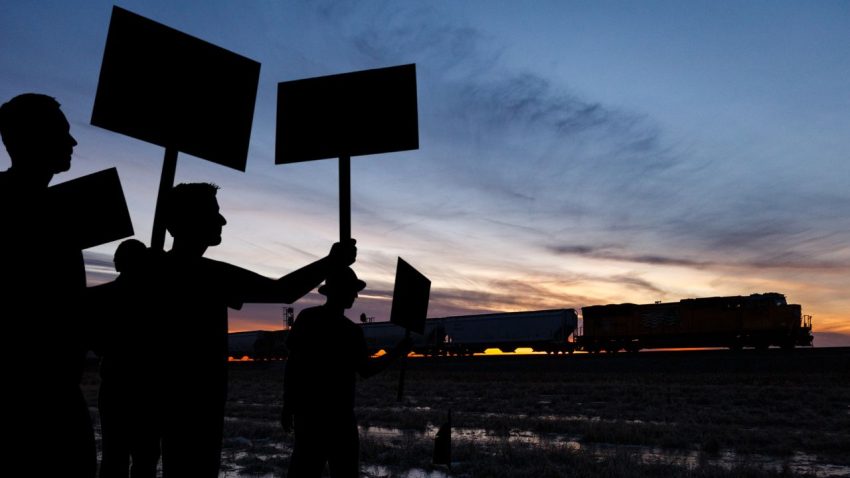
On December 19, 2025, Union Pacific and Norfolk Southern submitted their formal merger application to the Surface Transportation Board, kicking off the regulatory review for what would be an $85 billion deal creating the nation’s first true coast-to-coast railroad network. Spanning roughly 50,000 route miles and connecting nearly 100 ports, this combination would control about 40 percent of U.S. rail freight. For American farmers, who move massive volumes of grain, fertilizer, and other inputs via rail, the stakes are high. History and expert voices suggest further consolidation in an already concentrated industry will likely mean higher costs and less competition, squeezing already razor-thin margins. While railroads tout efficiencies, the upsides for agriculture appear limited at best.
Why Consolidation Typically Hurts Farmers
The U.S. freight rail sector is dominated by just four major Class I railroads, controlling over 90 percent of traffic. Rates have risen more than 40 percent above inflation over the past two decades, accompanied by frequent service disruptions. Adding another layer of consolidation risks amplifying these issues.
As reported in an AgWeb article published around the merger filing, agriculture depends heavily on rail, with approximately 3.2 million rail cars carry grains, oilseeds, and related products each year, making up 10 percent of all U.S. rail shipments. At least 26 percent of grain movements involve rail at some point.
Daren Coppock, president and CEO of the Agricultural Retailers Association, highlighted the vulnerability, saying, “Farmers and ag retailers operate on razor-thin margins, so even a small, artificial cost increase can have a big impact. When rail service is dominated by just a few players, they hold the power to set terms that work for them, not for the shippers and customers who depend on rail to move agricultural commodities, fertilizer, ag chemicals, fuel and other essential supplies. That imbalance drives up costs and threatens the reliability of our entire supply chain.”
Similar concerns came from Terry Kippley, president and CEO of the Council of Producers & Distributors of Agrotechnology, who said, “Competition in freight rail is essential for predictable service and a resilient supply chain. The STB should take a hard look at this proposal and ensure that this merger supports American agriculture rather than putting new pressure on farmers and the companies that serve them.”
The Fertilizer Institute echoed this, stating that many shippers face limited options and a “take-it-or-leave-it” approach from railroads. They argued it is “difficult to see how any coast-to-coast merger would improve this imbalance,” adding that “larger railroads only give carriers a bigger deck.”
These voices from the Rail Customer Coalition underscore a core problem, which is that reduced competition often leads to monopolistic pricing power, directly hitting farmers’ costs for inputs like fertilizer and outputs like grain exports.
Is There Any Real Upside for Farmers?
Proponents, including the railroads, claim the end-to-end merger will create efficiencies by reducing handoffs between carriers, speeding transit times, and shifting freight from trucks to rail. They project diverting over 2 million truckloads annually to rail, potentially growing volume through new intermodal routes and shorter transit times on key corridors.
Some ag-related supporters, such as executives from cooperatives like Central Farm Service and Arthur Companies, have expressed optimism. They argue single-line service could mean fewer delays for grain moving from the Midwest to eastern or southern markets, improving logistics and reliability.
However, these benefits remain speculative and largely tied to overall network growth rather than direct rate relief for captive shippers like many farmers. The merger involves minimal overlap in routes, so competition loss is limited in some areas, but where shippers rely on one railroad already, added dominance could worsen bargaining power. Critics note past mergers promised efficiencies that often translated into higher rates for customers, not lower ones.
The Road Ahead
The Surface Transportation Board review, the first major merger under 2001 rules requiring proof of enhanced competition and public benefits, will scrutinize these claims. Public comments on the application’s completeness are due soon, with a full decision possibly in 2027.
For farmers battling low commodity prices and high input costs, this merger looks like another step toward greater railroad monopoly power. While smoother long-haul service sounds appealing, the track record of consolidation points to higher shipping expenses eating into margins. American agriculture needs more competition in rail, not less. Farmers should watch this review closely and make their voices heard.