

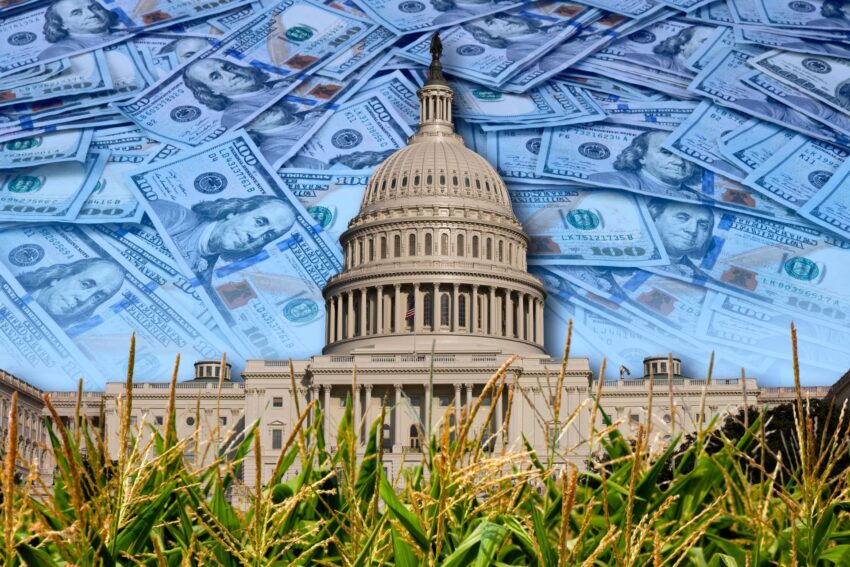
American farm families are facing one of the toughest economic periods in decades, caught between low commodity prices, high input costs, and the lingering effects of trade disruptions. In early December 2025, the Trump administration announced the Farmer Bridge Assistance Program, a $12 billion initiative designed to provide temporary relief. Of this total, up to $11 billion targets row crop producers of commodities like corn, soybeans, wheat, cotton, and rice, while $1 billion is reserved for specialty crops, dairy, timber, and other sectors. The program aims to bridge the gap until stronger safety nets from the new farm bill kick in during 2026, helping farmers secure operating credit for the upcoming planting season.
Yet, many in agriculture say this bridge falls short. House Agriculture Committee Chairman Glenn “GT” Thompson has publicly called for at least $10 billion in additional congressional aid, arguing that the current package opens opportunities for credit but is insufficient for a sustainable transition to 2026. He emphasizes the need to support underserved sectors like dairy and specialty crops without overreaching or replacing market incentives. Senate Agriculture Committee Chairman John Boozman has echoed that more may be required, noting that the administration and Congress will assess the reach of the initial $12 billion in the coming weeks.
Complicating matters, sources inside the USDA have cast doubt on further departmental assistance. Undersecretary Richard Fordyce has indicated that a second round of aid from the agency is unlikely due to tight budget constraints and limited available funds. This stance leaves any supplemental support dependent on congressional action, which remains uncertain amid competing fiscal priorities.
This divide highlights the precarious position of US farm families. Many producers pride themselves on self-reliance and express reluctance to depend on government handouts. They view direct payments as a last resort, preferring robust export markets and fair trade over subsidies. However, critics point out the irony: decades of federal policies have encouraged heavy production of corn and soybeans through subsidies and incentives, only for aggressive tariffs to disrupt key overseas markets, particularly in China. Retaliatory measures have slashed demand for US soybeans and other exports, leaving bins full and incomes strained at a time when input costs remain elevated.
The result is a farm economy on the edge. Projections suggest the $12 billion may cover only a fraction of total losses, estimated by some to exceed $40 billion for the 2025 crop year. Farmers are grappling with negative returns in many regions, rising debt, and difficulties obtaining loans from wary lenders. While the bridge payments offer immediate breathing room, with distributions expected by early 2026, they do little to address long-term vulnerabilities.
As lawmakers debate next steps, the broader question looms: Can temporary aid stabilize rural America, or will ongoing trade tensions and market challenges demand even more intervention? For now, farm families wait, hoping the bridge holds long enough to reach firmer ground.