

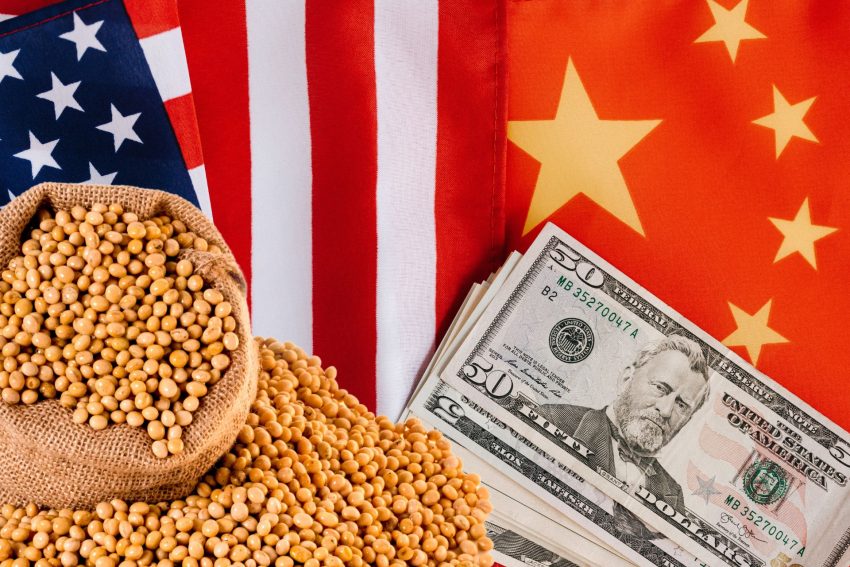
In a surprising turn for the agricultural markets, soybean prices have soared past $11 per bushel, marking a significant rally that has captured the attention of farmers and traders alike. This surge, driven by optimistic signals from high-level trade talks, comes at a time when the broader U.S. agriculture sector is grappling with persistent economic pressures. Let’s dive into the reasons behind this price jump, its implications for farmers, how it stands out as a positive development amid widespread struggles, and whether corn could see similar momentum through biofuels policy advancements like E15 or the 45Z tax credit.
The catalyst for the soybean rally was a post from President Donald Trump on Truth Social, announcing productive discussions with Chinese President Xi Jinping. Trump indicated that China is considering boosting its purchases of U.S. agricultural products, specifically lifting soybean imports to 20 million metric tons for the current 2025-2026 marketing year, up from a prior commitment of 12 million metric tons. He also mentioned the potential for an additional 8 million metric tons of old crop soybeans, equivalent to about 294 million bushels of unexpected demand. This news sent futures prices skyrocketing, with March contracts climbing 26 to 27 cents in a single session, settling around $10.92 to $11.12 per bushel and pushing several contracts comfortably above the $11 threshold. The rally continued into the following day, with gains of 1.75% to 2% across contracts, fueled by hopes that China could commit to 25 million metric tons next year.
Analysts note that this development addresses a key shortfall in U.S. soybean exports, which are currently running 20% behind last year’s pace. While Brazil’s massive 180 million metric ton harvest offers cheaper alternatives, the potential for U.S. shipments during Brazil’s peak season could defy typical patterns, supported by expanded capacity in the Pacific Northwest and possible river logistics adjustments. However, skepticism remains; traders are calling for concrete proof from China, as U.S. soybeans are pricier and the shipping window usually fades by January. If confirmed, prices could climb further to $11.35 or $11.50 per bushel, filling long-standing technical gaps on charts and signaling a shift from nearly a year of depressed values.
For farmers, this price boost translates to much-needed revenue gains. Soybean receipts are projected to hold steady in 2026, but a sustained rally above $11 could encourage a shift in planting intentions, potentially drawing acres away from corn and toward soybeans. This comes at a pivotal moment, as farmers finalize 2026 plans amid tight margins. Higher prices mean improved profitability for soybean producers, offering a buffer against rising input costs and helping cover expenses like fuel, fertilizer, and equipment. In a sector where barely half of farms are expected to turn a profit this year, this could prevent some operations from slipping into the red or facing bankruptcy. Moreover, the influx of demand from China could offset export shortfalls, stabilizing cash flows and providing leverage in negotiations with buyers.
This soybean surge emerges as a rare bright spot in an otherwise struggling U.S. ag economy. Net farm income is forecast to dip to $153.4 billion in 2026, a 0.7% decline from 2025, or 2.6% when adjusted for inflation. The sector is increasingly reliant on government payments, which could make up nearly 29% of income, highlighting underlying weaknesses like falling crop receipts and a historic trade deficit nearing $46 billion. Farm debt is set to hit a record $560 billion, bankruptcies have doubled, and overall receipts are projected to fall 2.7% to $514.7 billion, with animal products dropping 5.8%. Factors like tariff battles, disrupted markets, and labor issues have compounded a downturn from 2022’s record highs, leaving many producers operating at or below breakeven. Amid this gloom, the soybean rally injects optimism, potentially averting a broader collapse and supporting rural communities dependent on ag spending.
Could corn follow suit? There’s potential, particularly through biofuels policies. The 45Z Clean Fuel Production Tax Credit, with proposed rules released on February 3, 2026, extends incentives through 2029 and allows farmers to benefit by adopting practices that lower carbon intensity scores for feedstocks like corn. This could boost ethanol demand, with credits up to $1 per gallon for qualifying fuels, and restrictions on foreign feedstocks favoring U.S., Canadian, and Mexican crops. Farmers might capture value upward of a dollar per bushel by reducing emissions, making corn more attractive to biofuels producers. However, clarity is still emerging, and 2026 decisions are already underway, so timely final rules are crucial.On E15, the outlook is murkier. Efforts to allow year-round sales of 15% ethanol blends were omitted from recent government spending bills, drawing outrage from corn growers who see it as a missed opportunity to expand demand and cut fuel costs. Congress has formed a council to study E15 further, with potential legislation by late February, but delays mean corn hasn’t rallied significantly yet, with acres possibly dropping from 96 million to 94 million. A permanent E15 standard could strengthen corn prices and U.S. energy security, but inaction has left the market stagnant.
Beyond these headlines, the story underscores broader market dynamics. Wheat remains oversupplied with soft exports, and corn faces ample global supplies without weather disruptions. Fund buying could add volatility, but the soybean boost might spill over if biofuels policies gain traction. For now, this rally offers a glimmer of relief, reminding us that trade breakthroughs can swiftly alter fortunes in agriculture. As farmers navigate 2026, keeping an eye on China commitments and policy developments will be key to capitalizing on these opportunities.