

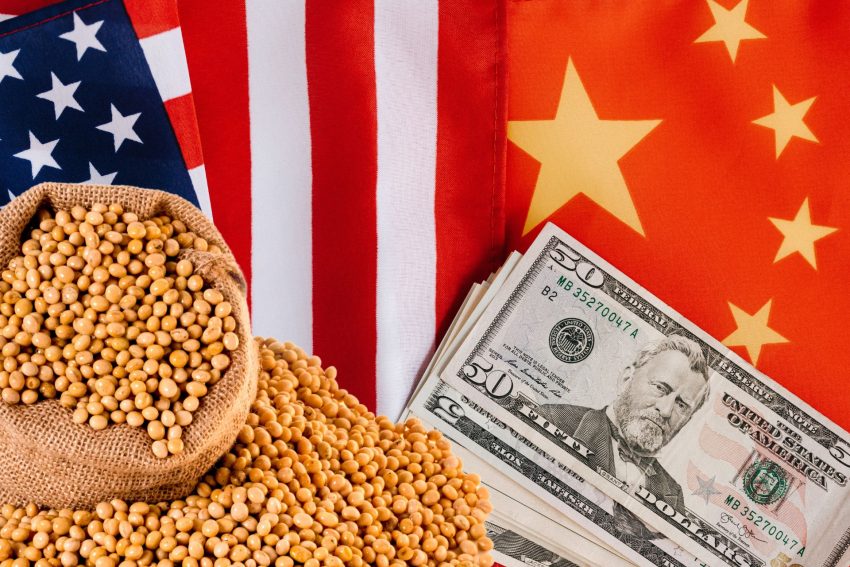
In the volatile world of international relations, the recent kidnapping of Venezuelan President Nicolás Maduro has sent shockwaves through global trade networks. Chinese officials were in high-level meetings with Maduro just days before the incident, discussing expanded economic ties. Now, with Maduro’s fate uncertain, Beijing has expressed deep frustration over the disruption to its key Latin American trade partner. This anger has fueled speculation about escalating tensions with the United States, potentially reigniting trade disputes or even limited conflicts. Not very long ago, China committed to purchasing significant volumes of American soybeans as part of a fragile truce in ongoing trade talks. But if hostilities renew, American farmers, already battered by market instability, could face devastating consequences. For row crop producers weighing decisions between corn and soybeans, the outlook grows increasingly grim. This article explores how such tensions might unravel recent progress and leave farmers grappling with even more uncertainty.
The Fragile Soybean Lifeline and the Shadow of 2025 Losses
American agriculture has long relied on China as its largest soybean buyer, but the past year painted a stark picture of vulnerability. In 2025, U.S. farmers endured staggering losses estimated at up to $44 billion, driven by plummeting prices, rising input costs, and disrupted exports amid trade barriers. Soybean growers were hit hardest, with many operations posting back-to-back annual deficits for the third straight year. The federal government stepped in with a $12 billion Farmer Bridge Assistance (FBA) program to offset some damages, but critics argue it fell short, especially for soybeans, where payment rates failed to cover operational costs.
Fast forward to early 2026, and a glimmer of hope emerged when China agreed to buy at least 12 million metric tons of U.S. soybeans by February, with projections for up to 25 million tons annually over the next few years as part of a broader trade deal. Recent purchases have already approached 10 million tons, signaling a tentative thaw. However, the Maduro crisis threatens to upend this. China’s investments in Latin America, including Venezuelan oil and agricultural partnerships, position it as a rival to U.S. interests in the region. If Beijing retaliates by halting or reducing soybean imports, exports could plummet to levels not seen since the 2018 trade war, where U.S. sales to China dropped by over 50% in some periods. Projections for 2026 already show volatility, with estimates ranging from 12 million to 18 million tons depending on diplomatic outcomes. A renewed freeze could slash these figures, leaving unsold harvests and further depressing prices.
Corn vs. Soybeans: A Tough Choice in Uncertain Times
For many row crop farmers, planting decisions boil down to a binary: corn or soybeans. In stable markets, soybeans often edge out due to lower input costs and strong export demand. But after 2025’s bloodbath, is soy even viable? Prices lingered below break-even points for much of the year, forcing some producers to liquidate assets or seek loans. Early 2026 surveys suggest farmers might shift nearly 4 million acres from corn to soybeans, betting on the recent Chinese commitments to boost demand. Yet, with tensions rising, this could backfire.
Consider the trade-offs:
|
Crop
|
Projected 2026 Acres (Million)
|
Average 2025 Price (Per Bushel)
|
Key Risks from Trade Tensions
|
|---|---|---|---|
|
Corn
|
81 (down from 2025)
|
$4.20
|
Limited direct impact, but spillover from soy market volatility could affect feed demand.
|
|
Soybeans
|
85 (up from 2025)
|
$9.80 (pre-deal estimate)
|
High exposure to China; potential 30-50% export drop if deals collapse, leading to oversupply.
|
(Data drawn from USDA baselines and market analyses.)
Corn offers a safer domestic market through ethanol and livestock feed, with exports diversifying beyond China. Soybeans, however, hinge on international buyers, making them a high-stakes gamble. If China pulls back, as it did in 2025 when its share of U.S. soy exports fell to 18.7%, farmers could see another wave of financial distress. Operating costs are projected to rise 4% for corn and 6% for soybeans in 2026, exacerbating the gap between expenses and revenues.
Navigating Uncertainty: Strategies for Farmers
American farmers are no strangers to variability. Weather patterns, pest outbreaks, and market swings already turn each season into a roll of the dice. Adding geopolitical instability amplifies the chaos. How, then, can producers plan for 2026 planting?
First, diversify crops and markets. While corn might seem more stable, incorporating rotations with wheat or cover crops can hedge against soy-specific risks. Second, leverage futures contracts and crop insurance to lock in prices early, mitigating sudden drops from trade disruptions. Third, stay informed on policy shifts. The FBA program and potential new aid could provide buffers, but farmers should advocate for long-term solutions like diversified export agreements. Finally, consider early planting adjustments for soybeans to maximize yields in unpredictable conditions, such as selecting vigorous seed varieties.
Yet, these tactics only go so far. Historical trade wars have cost U.S. agriculture over $27 billion in retaliatory tariffs alone, with soybeans bearing the brunt. Farmers deserve stability, not endless cycles of boom and bust tied to diplomatic whims.
A Call for Stable Trade Horizons
As the Maduro situation unfolds, the risk of renewed US-China hostilities looms large over American fields. Soybean farmers, still recovering from 2025’s wounds, face the prospect of another lost year if China reneges on its purchases. While corn provides an alternative, the broader agricultural sector cannot thrive amid perpetual uncertainty. Policymakers must prioritize de-escalation and robust trade frameworks to shield producers from global storms. After all, in the agro wars, farmers should not be the first casualties.