

While the mainstream media focuses on extreme weather and industrial accidents, American farmers are watching two back-to-back disasters and asking the question no one in Washington wants to answer. Are these events random, or are they part of a deliberate campaign to starve the West of its own food production?
In just two weeks, Nebraska has been scorched by some of the largest wildfires in state history. Over 800,000 acres have burned, including the massive Morrill Fire that torched more than 643,000 acres. Grazing land needed to expand the U.S. cattle herd has been turned to ash. One rancher is dead. Containment is finally nearing completion, but the damage is done.
Officials blame high winds, drought, and downed power lines. Yet these fires erupted exactly as fertilizer prices surged 30 percent or more and diesel spiked hard, both tied to the Iran conflict disrupting global supply chains. Farmers already squeezed by input costs now face destroyed pasture on top of it.
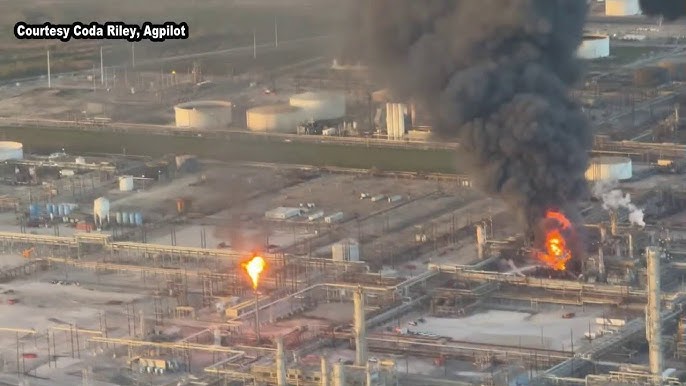
Then on March 23 another accident hit. A massive explosion rocked Valero’s Port Arthur, Texas refinery, one of the largest fuel processing hubs in the country. Black smoke billowed for miles. Shelter-in-place orders went out. Officials call it an industrial heater malfunction. Investigation ongoing.
Port Arthur sits at the nerve center of diesel and gasoline distribution that keeps tractors rolling and grain trucks moving. With diesel already skyrocketing for farmers from Texas to Nebraska, this is one more blow to the energy backbone of American agriculture.
Let’s connect the dots the corporate press refuses to draw.
Fertilizer and diesel prices were already exploding before these disasters. Nebraska rangeland burns right as cattle producers were gearing up to rebuild herds, hammering the domestic beef supply chain. A major refinery that feeds the fuel supply for farms and transport networks goes up in flames.
Three body blows to food and fuel security in rapid succession. American farmers are no longer facing simple market volatility. They stand on the front lines of what looks like a coordinated effort to weaken the West’s productive capacity. Just yesterday, we covered the recent “glitch” that shutdown Australia’s main fertilizer plant for 2 months.
This is not paranoia. It is pattern recognition.
For years, globalist policies such as open borders, offshored manufacturing, and weaponized climate regulations have eroded America’s self-sufficiency. Food security was always the final red line. You cannot eat green deals or digital IDs. You need land, fuel, fertilizer, and functioning supply chains.
When those are systematically stressed or destroyed, the result is predictable. Higher prices at the grocery store. Greater dependence on foreign imports. A population more willing to accept centralized control over new global trade systems and governance models. Farmers see it first because they grow the calories that keep the country alive.
Are the Nebraska wildfires and the Port Arthur explosion man-made sabotage? We do not have smoking-gun proof today. What we do have is a string of official explanations that feel far too convenient against the backdrop of crippling input costs and a West increasingly targeted by hybrid warfare.
The American farmer has always been the backbone of this republic. Today they are also the canary in the coal mine. If these events are dismissed as mere bad luck while prices keep climbing and production capacity keeps burning, the question stops being whether the West is being weakened. It becomes how long until it is brought to its knees.
AgroWars will keep asking the questions that matter. Farmers deserve answers, not platitudes. The food on your table depends on it.