

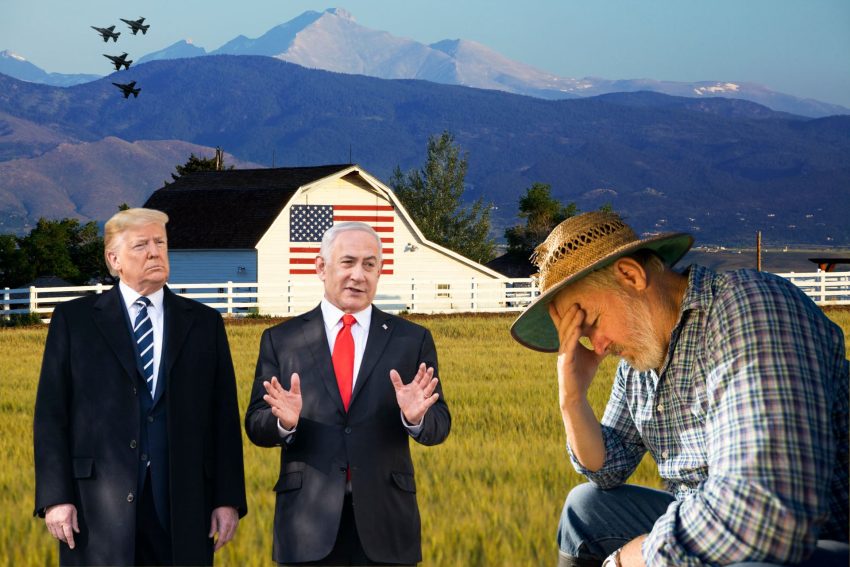
In the volatile landscape of global agriculture, few events carry the potential for widespread disruption like a major conflict in the Middle East. Tensions in the region threaten key trade routes, such as the Strait of Hormuz, a critical chokepoint for oil and fertilizer exports that handles a significant portion of global trade in these commodities. For farmers already facing tight margins and unpredictable weather, the fallout from such a war could be catastrophic, amplifying pressures on inputs, markets, and economic stability. Let’s explore some of the many ways this conflict could devastate the farming sector.
Skyrocketing Input Costs: Fertilizer and Diesel Under Siege
One of the most immediate threats comes from surging prices for essential inputs like fertilizer and diesel. The Middle East supplies a large share of globally traded urea, a key nitrogen fertilizer, with much of it passing through the Strait of Hormuz. If the strait is disrupted or closed amid prolonged fighting, nitrogen and phosphate markets could face severe shortages, driving fresh price spikes at a time when many crop growers are already dealing with low profitability.
Diesel prices would rise sharply as well, since oil supplies from the Persian Gulf would be at risk. A sustained increase in crude oil prices would inflate fuel costs for tractors, irrigation pumps, grain dryers, and transportation to markets. Higher energy costs hit every stage of farming, from fieldwork to hauling produce, and they feed directly into inflation that erodes purchasing power for other inputs.
Disrupted Markets and Shipping: A Global Supply Chain Nightmare
War in the Middle East threatens to choke vital shipping lanes, raising freight rates and insurance costs while delaying deliveries. The Strait of Hormuz is not only an oil artery but also a major route for crop nutrients and other agricultural goods. Its disruption could strand vessels, force rerouting around continents, and add weeks to transit times.
Rerouting ships increases fuel consumption, extends voyage durations, and pushes container and bulk freight rates higher. For exporters, this means volatile commodity prices and reduced competitiveness in global markets. Importers face delays in receiving critical supplies, while grain, oilseed, and livestock product flows become unpredictable. These shipping snarls can lead to temporary gluts in some regions and shortages in others, swinging prices wildly and making planning difficult for producers everywhere.
Mounting Government Debt: A Long-Term Burden on Farm Support
Wars drain national treasuries and pile on debt that constrains future policy choices. Past conflicts in the region have already added trillions to national debts, with massive interest payments compounding the burden over decades. Additional military spending, aid to allies, and reconstruction costs accelerate borrowing.
For farmers, this translates to potential cuts in subsidies, crop insurance programs, research funding, and rural infrastructure investments. Heavy debt loads can also fuel inflation, prompt higher taxes, or lead to tighter credit conditions as governments and central banks respond. A stronger currency driven by safe-haven flows during crises makes exports less competitive, further pressuring farmgate prices in export-reliant countries.
Beyond the Basics: Additional Perils for the Farming Sector
Commodity markets become extremely volatile, with short-term price spikes possible but long-term uncertainty dominating. Labor availability can suffer if conflicts displace workers or divert resources to military priorities. There’s also the threat of environmental devastation and outright destruction of farmland, as we have seen in Ukraine.
Currency swings add another layer of risk, with a surging dollar hurting export revenues while weakening currencies in import-dependent nations inflate the cost of every purchased input. Insurance premiums for farms, equipment, and shipments rise amid heightened global instability. Supply chain delays can prevent timely delivery of machinery parts, seeds, or chemicals, halting operations during critical planting or harvest windows. In extreme scenarios, governments may impose export restrictions or trade embargoes, isolating markets and disrupting established trade patterns.
A Call to Action for Resilient Farming
As conflict in the Middle East escalates, its potential to devastate farmers highlights the fragility of our interconnected global food system. From input price surges to debt-driven policy constraints, the costs could persist for years and threaten food security as well as rural livelihoods. AgroWars urges policymakers to pursue diplomatic solutions and invest in diversified, resilient supply chains to protect agriculture from such shocks. In these uncertain times, farmers should stay vigilant, explore risk management tools where available, and prepare for prolonged turbulence ahead.