

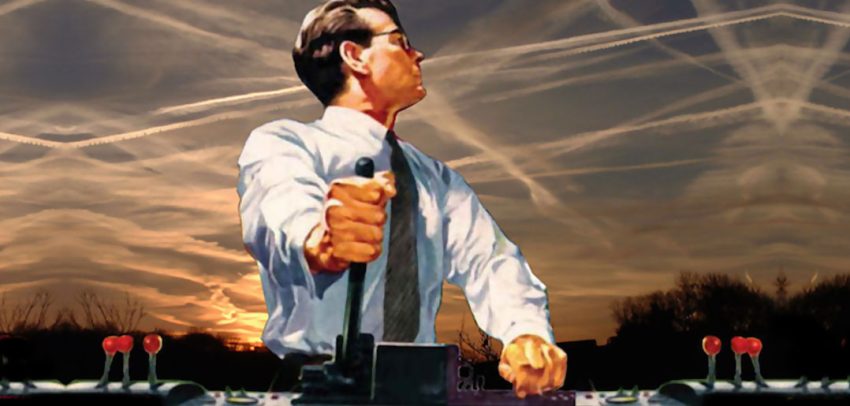
Blizzards Bury Midwest Farms, Heat Domes Scorch the Southwest, Tornadoes Strike the East, and Nebraska Wildfires Burn Over 750,000 Acres.
In mid-March 2026, the United States endured a barrage of extreme weather events across the country. Blizzards dumped heavy snow across the Upper Midwest and Great Lakes, creating whiteout conditions in Wisconsin, Michigan, and Minnesota. A heat dome settled over the Southwest, driving temperatures into the triple digits in Arizona and parts of California far earlier than usual. Severe storms moved eastward, bringing tornado warnings and damaging winds from the Plains to the mid-Atlantic. In Nebraska, massive wildfires, including the largest in state history, scorched more than 750,000 acres of grassland and rangeland. One fatality was reported, communities evacuated, and the National Guard deployed to assist.
This was not a single isolated event but multiple disasters unfolding at once. Planting season approaches, yet livestock endure life-threatening conditions. Dairy farms in the blizzard zones struggle with frozen equipment and delayed feed. Southwestern ranchers haul extra water and hay for cattle still in winter patterns. Tornado risks force farmers to secure barns and equipment. Nebraska’s fires have destroyed grazing lands and winter wheat fields critical for national food supply.
Farmers rely on predictable seasons, steady rainfall, and stable temperatures. Instead, they watch profits disappear under unpredictable skies.
The harsh reality ignored by mainstream outlets is that truly “natural weather” no longer exists. Geo-engineering occurs actively in the United States. Cloud seeding programs, using silver iodide to enhance precipitation, run in Western and Plains states, with ongoing operations in places like Nevada and Utah. Federal rules require reporting to NOAA, and records document these activities. Experimental solar radiation management, including marine cloud brightening and stratospheric aerosol tests, advances in research settings with private and academic involvement.
Congress has responded with bills like the Clear Skies Act to ban weather modification. States such as Florida, Montana, and Pennsylvania have introduced or passed laws restricting geo-engineering. Such legislative efforts signal concern beyond mere research.
Interventions in the atmosphere create ripple effects. Cloud seeding in one area can reduce rainfall elsewhere. Altered wind patterns can redirect storms. Targeted efforts to benefit one region may disrupt jet streams and pressure systems nationwide.
Midwest farmers bear the consequences when blizzards kill calves, heat domes damage crops, tornadoes destroy infrastructure, or wildfires turn pastures to ash. These are not theoretical risks but ruined seasons, higher costs, inadequate insurance payouts, and family farms pushed toward collapse.
We must act decisively. Farmers deserve transparency on all weather modification programs. Independent oversight should prioritize agricultural impacts. Where evidence shows large-scale interference with natural patterns, programs need termination.
The people who feed America require weather they can anticipate, not experiments from distant labs or offices. “Playing God with the climate” becomes literal when livelihoods freeze, burn, flood, or blow away.
AgroWars stands with farmers. Policymakers must choose: support the experimenters or protect those who work the land. The heartland suffers under simultaneous extremes. The era of blaming only Mother Nature or man-made climate change has passed. It is time to safeguard America’s food producers.