

The Make America Healthy Again (MAHA) initiative, launched by President Trump and led by Secretary Robert F. Kennedy Jr., aims to tackle chronic diseases, enhance nutrition, and reduce healthcare costs through systemic reforms. While much focus has been on food systems and medical practices, MAHA’s goals align perfectly with revitalizing American agriculture by shifting toward natural, plant-based materials for clothing and construction. By prioritizing crops like cotton and hemp, along with other solutions such as flax and wool, we can boost farmer livelihoods, promote environmentalism, and foster healthier lifestyles. This approach not only addresses the current crises in U.S. agriculture but also educates consumers on the superiority of natural fibers over synthetic alternatives.
Reviving Cotton: A Cornerstone of American Farming in Need of Support
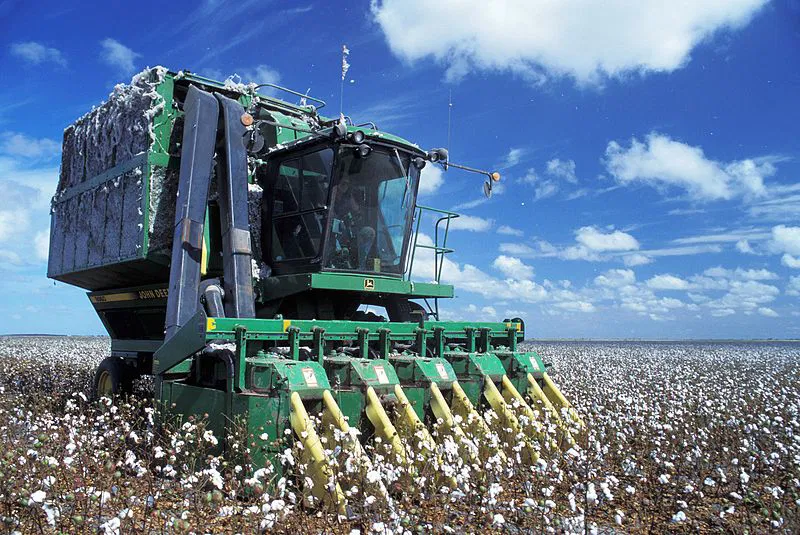
Cotton has long been a staple of U.S. agriculture, but the industry is facing severe headwinds. Low prices, driven by global oversupply and weak demand, have left many farmers struggling to stay afloat. High production costs, climate variability, and trade uncertainties, including tariffs, exacerbate the problem. In 2025, cotton prices hit multi-year lows, forcing some growers to rethink their operations or scale back planting. MAHA can help by promoting cotton as a healthy, natural alternative to synthetic fabrics, spurring domestic demand and providing economic relief to rural communities.
Plant-based clothing, particularly from cotton, offers numerous benefits. Cotton is breathable, allowing skin to regulate temperature and moisture naturally, which reduces discomfort and supports overall well-being. It is biodegradable, breaking down without leaving harmful residues in the environment. Unlike synthetics, cotton does not contribute to microplastic pollution, a growing concern for ecosystems and human health. Educating consumers about these advantages can drive a shift back to natural fibers, directly benefiting American cotton farmers.
In contrast, polyester, a petroleum-derived synthetic that dominates much of the clothing market, poses significant health and environmental risks. Wearing polyester can lead to skin irritation, rashes, and allergic reactions, especially for those with sensitive skin or conditions like eczema. Its non-breathable nature traps heat and sweat, potentially fostering bacterial growth and discomfort. More alarmingly, polyester sheds microplastics during washing, with a single load releasing up to 700,000 fibers that enter waterways, the food chain, and even our bodies through ingestion or inhalation. Some studies link prolonged exposure to polyester to broader health issues, including respiratory problems and potential fertility concerns, though more research is needed. By growing and using cotton domestically, we reduce reliance on non-renewable oil resources and mitigate these hidden dangers.
Hemp for Construction: Building a Sustainable Future
Beyond clothing, MAHA should champion hemp as a revolutionary building material to support agriculture and address resource shortages. Hemp grows quickly with minimal water and pesticides, enriching soil health and making it ideal for regenerative farming practices that align with MAHA’s sustainability ethos. Hempcrete, a mixture of hemp hurds and lime, serves as an excellent insulator, reducing energy needs for heating and cooling buildings. It provides thermal regulation, humidity control, acoustic insulation, and fire resistance, all while being lightweight and durable. Over time, hempcrete even strengthens through carbonation and is carbon-negative, absorbing more CO2 than it emits. Hemp is also mold- and pest-resistant, contributing to healthier indoor environments.
This shift is crucial amid the global sand crisis affecting concrete production. Sand, a key ingredient in concrete, is depleting rapidly due to urbanization and overmining, with suitable aggregates becoming scarce near high-demand areas. Not all sand works for construction; desert sand, for instance, is too rounded and ineffective. Illegal sand mining has led to environmental devastation and even violence, highlighting the unsustainability of relying on this finite resource. By turning to hemp-based materials, we grow what we need renewably, easing pressure on non-renewable sources and bolstering U.S. hemp farmers.
Diversifying with Flax, Wool, and Regenerative Practices
To further spur American agriculture, MAHA could promote other natural fibers like flax for linen and wool from domestic sheep. Flax, which produces linen, is a resilient crop that requires little water and improves soil quality, much like hemp. Linen is highly breathable, antimicrobial, and durable, making it a superior choice for clothing that supports skin health. Wool, another U.S.-grown fiber, offers excellent insulation for apparel and even building materials, with natural fire-retardant properties. These crops can be integrated into regenerative agriculture pilots, as outlined in MAHA actions, to lower costs, enhance water quality, and draw down carbon.
Incorporating jute for ropes and geotextiles or exploring bamboo composites for construction could add diversity, though focusing on U.S.-adaptable plants like flax and hemp maximizes local impact. Government incentives, such as subsidies for natural fiber production and public education campaigns on their benefits, would create jobs, stimulate rural economies, and align with MAHA’s mission to end chronic diseases by reducing exposure to synthetics.
A Healthier Nation Through Homegrown Innovation
Embracing natural fibers under MAHA is more than an agricultural strategy; it is a pathway to holistic health. By educating Americans on the perks of plant-based clothing and construction, such as breathability, sustainability, and reduced toxins, we can phase out polyester and concrete dependencies. This not only rescues struggling sectors like cotton but also preserves resources like sand for future generations. As we grow what we need, we build a resilient, self-sufficient America. Policymakers, farmers, and consumers must unite to make this vision a reality, ensuring our fields fuel a healthier tomorrow.