

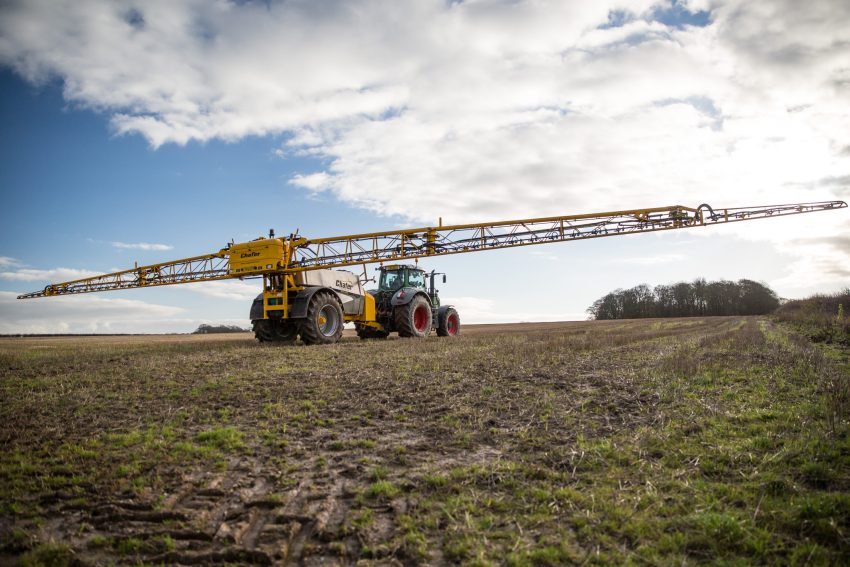
The U.S. Environmental Protection Agency announced on February 6, 2026, the reinstatement of dicamba for over-the-top applications on dicamba-tolerant cotton and soybeans. This decision applies to the next two growing seasons across 34 states and includes what the agency calls the strongest safeguards ever to reduce herbicide drift and volatility. For farmers fighting resistant weeds, it offers a valuable option, but critics say it ignores years of crop damage and environmental harm that have divided rural communities.
A Turbulent History of Dicamba Use
Dicamba became controversial after genetically engineered dicamba-tolerant crops launched in 2016 and 2017, enabling over-the-top use against resistant superweeds like Palmer amaranth. The herbicide’s volatility caused it to vaporize and drift long distances in warm weather, injuring non-tolerant soybeans, vegetables, orchards, trees, and habitats. Thousands of damage complaints and millions of affected acres followed, triggering hundreds of lawsuits against Bayer, BASF, and Syngenta.
Federal courts vacated approvals twice: the Ninth Circuit in 2020 for underestimating risks, and an Arizona district court in 2024 for procedural violations under FIFRA. Temporary bans forced farmers to rely on less effective alternatives in 2025. Environmental groups highlight health risks including cancer links and DNA damage, plus wildlife impacts from reduced food sources and habitat quality.
Details of the 2026 Reinstatement
The EPA halved the maximum annual rate to 1.0 pound per acre (two 0.5-pound applications) and doubled volatility reduction agent requirements to 40 ounces per acre. New rules mandate conservation practices such as vegetative buffers and cover crops, temperature cutoffs (no spraying if forecasts exceed 95°F, limits at 85-95°F), certified applicator training, 240-foot downwind buffers, and bans on aerial applications and certain tank mixes. The agency concluded that following these labels poses no unreasonable risks, based on peer-reviewed data. Bayer will introduce a new product, Stryax, with added stewardship measures.
How This Impacts Farmers
Many cotton and soybean growers, especially in the South where Palmer amaranth grows rapidly and slashes yields, view dicamba’s return as essential for effective weed control and lower costs compared to manual or alternative methods. Industry groups like the National Cotton Council and American Soybean Association support the move for providing clarity and aiding integrated management.
However, drift concerns persist despite safeguards, as past experience showed damage even under restrictions. Non-adopters, including organic and specialty growers, face potential losses, community tension, and lawsuits. Compliance raises costs through training, record-keeping, and buffer investments, hitting smaller farms hardest. Broader ecosystem effects could indirectly harm farmers via reduced pollinator health and biodiversity. Critics call the approval irresponsible and expect further legal challenges, with the two-year limit creating ongoing uncertainty.
Stakeholder Reactions and the Road Ahead
Many farmers and retailers welcome the decision for responsible use options, while environmentalists criticize it as favoring agribusiness over safety. The move fits rural support priorities but conflicts with health-focused goals given dicamba’s documented risks.
As planting nears, farmers must balance dicamba’s benefits against its drawbacks. Strict compliance and real-world results will determine success. Persistent drift could drive calls for tighter rules, reshaping weed strategies nationwide. This latest chapter highlights the ongoing tension between innovation and sustainability in farming.