

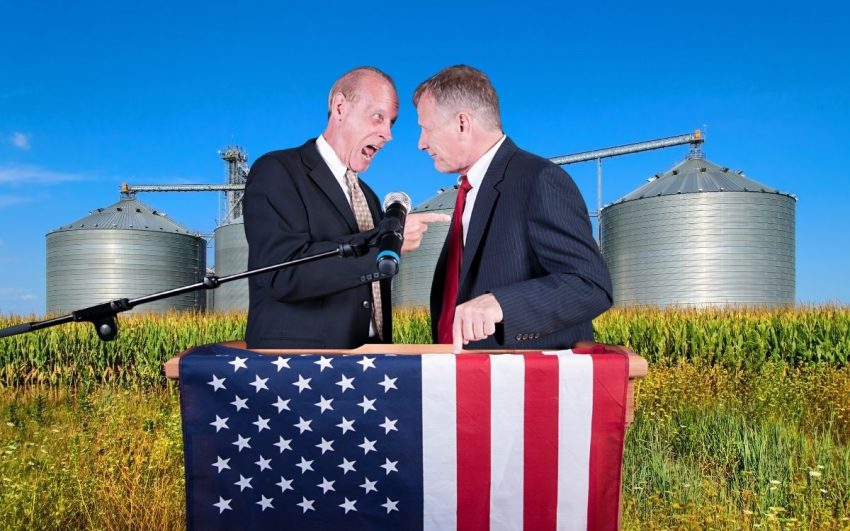
The polls and the money say Congress is set to tip back toward the Democrats. AgroWars readers already know the script. Campaign ads will promise “change for rural America,” “support for family farms,” and “smart energy policy.” The reality that follows rarely matches the slogans.
Expect the usual package of farm-bill rhetoric. Democrats will talk up conservation programs, climate-smart agriculture, and equity language for “underserved” producers. Crop insurance and commodity supports will survive because too many districts still need them, but the fine print will tilt toward tighter environmental strings, higher compliance costs, and more paperwork. Direct payments or ad-hoc disaster aid may get dressed up in green packaging. The net effect for most commercial growers: higher operating expenses without corresponding price support or regulatory relief.
The deeper problems will stay untouched. Fuel and fertilizer prices remain elevated in large part because of prolonged foreign conflicts that serve interests far from the Corn Belt. Diesel, anhydrous, and natural-gas-linked nitrogen costs have hammered margins for years. Neither party has shown serious interest in ending the policies that keep those prices high. Expect more speeches about “standing with allies” and “energy independence” while the same global commitments continue to bleed American producers at the pump and at the fertilizer plant. The farm lobby will lobby, the appropriations will pass, and the structural drivers of high input costs will remain off-limits.
What is more likely to return is a softer, bureaucratic version of Green New Deal thinking. Carbon intensity scores, methane reporting, fertilizer-use restrictions dressed as “nutrient management,” solar panels and turbines covering fields, and renewable-fuel mandates that favor certain feedstocks over others can all reappear through agency rulemaking and farm-bill side deals. These measures rarely deliver measurable climate gains at scale, but they reliably raise the cost of producing a bushel of corn or a pound of beef. Productivity and profitability take the hit while consultants and compliance officers collect fees.
Rural districts that flipped or stayed Republican in recent cycles will hear plenty of regret and outreach. The outreach will not include a serious effort to cut the foreign-policy commitments that inflate energy and fertilizer bills. It will include more money for climate pilots, more pressure on livestock operations, and more emphasis on “sustainable” practices that look better in press releases than on a balance sheet.
Farmers have seen this cycle before. Promises of reform arrive with every shift in Washington. The wars that drive up input costs continue. The regulations that constrain output creep forward. The check clears for the programs that look good on a campaign flyer. Productivity and profitability remain secondary concerns. The only reliable prediction is that the rhetoric will be louder than the results.