

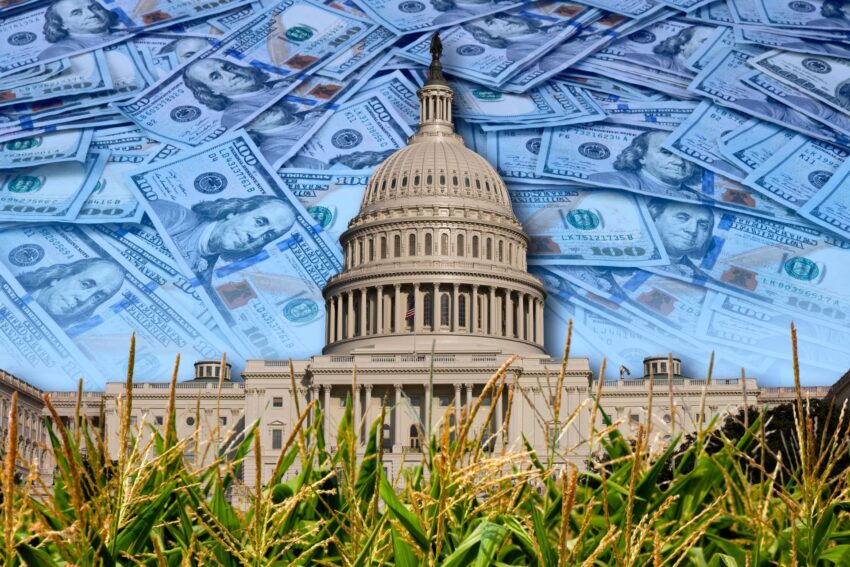
Despite a recent uptick, commodity prices have stayed stubbornly low and weather woes keep piling up. However, a new $20 billion relief package is making its way through Congress. Promoted by House Speaker Mike Johnson and backed by the White House in July 2026, the proposal bundles agricultural disaster assistance with defense spending through the budget reconciliation process.
On paper, it sounds like timely help for producers squeezed by drought, volatile yields, high borrowing costs, and rising input expenses. Many farmers and ranchers have been waiting for support as margins tighten and export demand remains uncertain. Yet the plan has ignited a sharp political fight and drawn heavy criticism from those who see it as more politics than real policy.
Republicans are pushing the package ahead of the midterm elections, hoping to show rural America they are delivering. The agricultural portion would focus mainly on emergency relief and disaster aid. But fiscal conservatives within the party are pushing back hard. With the national debt hovering near 39 trillion dollars, they argue the bill lacks meaningful spending cuts to offset the new outlays. Several members are demanding greater transparency and broader fiscal reforms before they will sign on.
Critics outside the Beltway are even harsher. They call the 20 billion dollars a classic band-aid that fails to address the underlying problems facing American agriculture. Weak commodity prices, trade disruptions, and structural issues in the farm economy will still be there once the checks are cashed. Instead of fixing root causes, the aid simply papers over them for another season or two.
A deeper concern is where the money will actually end up. Much of the relief flows through higher payments that allow farmers to keep buying seeds, fertilizer, chemicals, fuel, and equipment at prices that remain elevated compared to pre-pandemic levels. Input suppliers, who enjoyed fat margins during recent years of high demand and supply chain squeezes, stand to benefit as the federal dollars circulate through the farm economy and into their pockets. In effect, many argue, this becomes a backdoor bailout for the agribusiness supply chain more than direct, lasting help for producers.
Farm organizations have mixed feelings. Some welcome any relief that keeps operations afloat through another tough cycle. Others worry the repeated reliance on emergency packages distracts from bigger reforms needed in the next Farm Bill, stronger crop insurance, better risk management tools, and policies that actually improve farm-gate prices and competitiveness.
The timing adds pressure. Lawmakers want to move before the August recess, but Senate hurdles remain and internal Republican divisions could slow things down. Failure to deliver could hurt rural support heading into November.
For now, the debate in Washington highlights a familiar tension in farm policy. Emergency aid can provide breathing room. But without tackling core challenges like market volatility, input cost inflation, and long-term profitability, it risks becoming just another expensive patch that leaves the underlying wounds to fester. Farmers deserve solutions that go beyond temporary checks. Whether this package moves forward, and in what form, may reveal how seriously Congress takes that responsibility.