

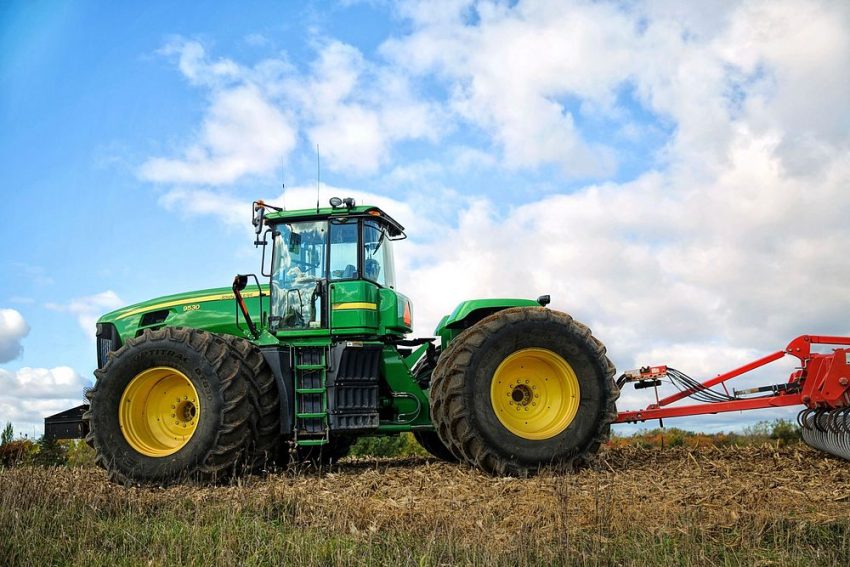
In a landmark settlement announced on July 8, 2026, the Federal Trade Commission and attorneys general from five states reached a 10-year agreement with John Deere. The company must now provide farmers and independent repair technicians with the same diagnostic software, tools, and resources previously reserved for its authorized dealers.
This resolves an antitrust lawsuit filed in January 2025. The suit accused Deere of restricting repairs to maintain a monopoly on service for its equipment, leading to higher costs and delays for farmers.
What the Settlement Requires
Under the deal, Deere must offer these capabilities on fair and reasonable terms:
- Reading, clearing, and resetting electronic fault codes.
- Reprogramming electronic components and pairing replacement parts.
- Restarting machines after emissions-related shutdowns.
- Access to technical manuals, troubleshooting guides, and other diagnostic information.
Any new repair resources rolled out to more than 50 percent of Deere’s U.S. dealer network must also become available to farmers and independent shops. The company faces strict oversight and reporting requirements for the full 10 years.
What This Means in Practice for Farmers
This change delivers real, on-the-ground benefits during tight planting, spraying, and harvest windows.
Faster Fixes and Less Downtime: Previously, a simple fault code could force farmers to wait for a dealer technician, sometimes for days. Now, owners can diagnose and clear issues themselves or through a local independent shop. This keeps equipment running when it matters most, potentially saving entire days or weeks of productivity during critical seasons.
Lower Repair Costs: Dealer service calls and parts markups have driven up expenses. With direct access to the same tools, farmers can handle routine repairs in-house, use trusted local mechanics, or shop around for better prices on parts and labor. Over time, this should reduce the overall cost of ownership for high-value tractors, combines, and other machinery.
More Independence and Flexibility: Farmers gain the freedom to repair equipment on their own schedule without relying solely on dealer availability, which can be limited in rural areas. This levels the playing field for independent repair providers, increasing competition and service options.
Future-Proofing Equipment: As Deere releases updated software and tools, farmers will receive them without delay once widely available to dealers. This supports long-term usability of existing machines rather than forcing premature upgrades.
No Retaliation: The settlement protects farmers and shops from any potential pushback by dealers for choosing self-repair or independent service.
A Victory for Ownership and Rural Economies
FTC officials highlighted the win for American farmers. Daniel Guarnera, Director of the FTC’s Bureau of Competition, stated that the settlement lets farmers fix their own equipment as they have for generations, lowering costs in the process.
John Deere described the agreement as aligning with its ongoing efforts to expand customer access to tools and support. The company emphasized its commitment to keeping machines productive while maintaining safety and innovation.
For farmers tired of proprietary lockouts on equipment they own, this represents a significant shift toward true ownership. In an era of high input costs and narrow margins, the ability to repair efficiently can make the difference between profit and loss.This settlement sets a strong precedent in the right-to-repair movement. Farmers can look forward to greater control over their operations and reduced frustration when machinery inevitably needs attention in the field.