

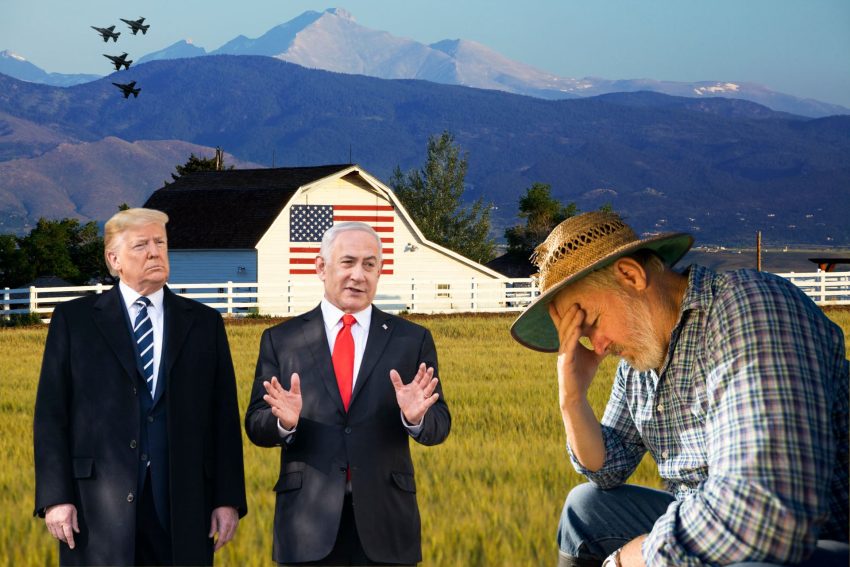
In a sharp escalation at the NATO summit, President Donald Trump declared the fragile U.S.-Iran ceasefire over. He cited Iranian attacks on commercial shipping in the Strait of Hormuz and subsequent exchanges of strikes. The waterway, critical for roughly 20 percent of global oil transit, is once again a flashpoint. Renewed risks of blockades, attacks, and disruptions to energy flows have returned.
For American farmers already battered by high input costs, this means trouble on the horizon. Fertilizer and fuel prices, which surged earlier in the year amid Middle East tensions, are poised for another leg higher. While grain markets may see short-term support from war premiums and weather concerns, the net effect for most producers looks painfully familiar. It is squeezed margins with no easy offset in sight.
The Hormuz Chokepoint and Energy Shock
The Strait of Hormuz has been a recurring headache in 2026. Earlier ceasefires and memorandums of understanding briefly reopened shipping lanes and sent oil prices tumbling in June. Now, with the deal effectively scrapped after fresh strikes, threats of closure or harassment of tankers are back on the table.
Oil and refined products underpin diesel for tractors, combines, and irrigation pumps, as well as natural gas-derived nitrogen fertilizers. Renewed volatility will likely push farm diesel higher. It has already risen significantly year-over-year in many regions and will add further pressure to urea, UAN, and other nutrients that spiked more than 30 percent earlier this season.
Southern rice and row-crop producers, who face some of the highest per-acre fuel burdens, are especially exposed. Analyses from earlier disruptions projected extra thousands per farm in Kansas alone for diesel and fertilizer. A new Hormuz flare-up could compound that pain nationwide.
Grain Markets: War Plus Weather Equals Rally Potential, But…
Uncertainty in the Middle East often injects a risk premium into commodities. With global supply chains under threat and headlines dominating trading floors, grain futures could extend recent strength. Weather volatility, always a wildcard, adds another bullish layer for corn, soybeans, and wheat if dryness or storms threaten U.S. yields.
Traders are already pricing in tighter balances and export opportunities if competing origins face logistics headaches. A continued rally would provide welcome revenue support for growers sitting on stored grain or forward-contracting new crop.
However, history and current fundamentals suggest this will not be enough for most farmers. Input costs are structural and sticky. Higher fuel and fertilizer do not just hit one season. They raise break-evens across the board. Many operations already face thin or negative margins at prevailing grain prices.
Elevated nitrogen prices encourage reduced application rates, shifts toward soybeans, and potentially fewer planted acres overall. These responses can mute longer-term price gains. With the ceasefire collapsed and no clear path to de-escalation, input inflation looks set to worsen rather than ease. Farmers cannot hedge geopolitics as easily as they can weather or futures.
Bottom Line for Producers
This is classic territory for our readers, as external shocks amplify on-farm pressures. Smart operators will lock in fuel and fertilizer where possible, even at elevated levels, to avoid worse spikes. They will monitor grain boards closely for rally opportunities to price crop or layer in hedges. They will revisit budgets ruthlessly because every extra dollar per acre on diesel or urea erodes profitability fast. They will explore efficiency plays such as variable-rate application, cover crops, or alternative nutrient sources where agronomics make sense.
The combination of war-driven energy costs and domestic weather risks creates a volatile but potentially tradable environment. For the average farmer, though, it reinforces a tough reality. Higher revenues from grain rallies are often swallowed by even higher costs when global conflict disrupts the basics of farming.
Peace in the Gulf would have been the best medicine. With that off the table for now, farmers will once again have to navigate the chaos with resilience, creativity, and sharp marketing. Stay tuned to AgroWars for updates as markets react and the situation on the water evolves.