

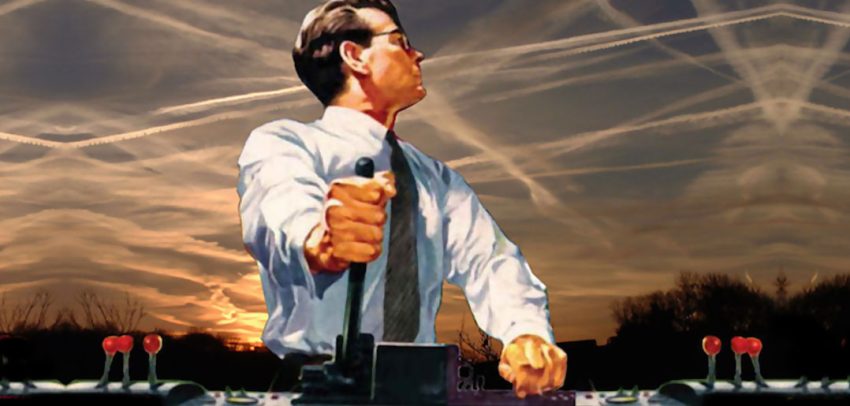
American farmers are no strangers to tough seasons, but the combination of ongoing extreme weather patterns and forecasts for a powerful Godzilla El Nino has many on edge. Recent reports of hail devastating crops in Nebraska, along with snow and freeze events striking parts of the country, add fresh urgency. While natural variability plays a role in these events, skepticism is growing in farm communities about whether some weather disruptions are being influenced or even directed through geoengineering efforts. The potential outcomes range from widespread crop losses to deeper food supply strains, raising concerns about motives that could include engineered scarcity or global famine scenarios.
Current Extreme Weather Hitting Farms Hard
Across the Midwest Plains and South, farmers have dealt with a mix of drought flooding hail and heat waves that disrupt planting harvesting and yields. In Nebraska, severe hail storms have destroyed crops in multiple counties shredding fields and leaving producers to survey heavy losses just as the growing season progresses. Similar hail events have hammered other areas with baseball sized stones reported in storms that appear unusually intense.
In the Northeast, specialty crop growers report repeated hits from heavy rains and storms that leave fields waterlogged and delay operations. Many lack full crop insurance coverage or still await aid from prior disasters compounding financial pain. Now forecasts suggest snow and freeze conditions could push into the Northeast soon, threatening budding crops and orchards already stressed by erratic patterns.
Kansas and Texas producers share stories of parched soils, forcing tough choices on water use and alternative crops like sunflowers. In the Corn Belt, excessive moisture in states such as Illinois and Iowa has lowered crop condition ratings for corn and soybeans. These events are not abstract. They translate directly into higher costs, lower outputs, and more farm operations teetering on the edge after years of tight margins.
Godzilla El Nino on the Horizon, What Farmers Could Face
Forecasters point to a strong shift toward El Nino conditions with an 80 percent chance of emergence between June and August 2026. Some models suggest this could become a super or Godzilla level event, one of the strongest on record with ocean temperatures spiking dramatically.
Typical El Nino impacts include wetter conditions in parts of the southern United States, but drier patterns elsewhere. For agriculture, this means potential drought relief in some drought stricken areas like the Southern Plains, yet risks of flooding heavy storms or disrupted growing seasons in others. The added layer of hail snow and freeze events, as seen in Nebraska and potentially heading east, could amplify damage during key growth phases. Global ripple effects could hit key crops such as maize, rice and soybeans in major producing regions, leading to supply chain shocks and higher prices.
Farmers worry that the rapid transition from prior La Nina patterns leaves little time to adapt. A strong El Nino might bring intense rainfall events or prolonged dry spells, depending on how atmospheric patterns respond. With many operations already strained by input costs, this additional volatility could push more producers out. One Midwest grower noted on X that another round of extremes might make the difference between survival and selling the family land.
Farmer Skepticism Turns to Geoengineering Theories
In ag circles online and at local meetings, a growing number of farmers openly question whether all observed weather extremes stem purely from natural cycles. Discussions frequently turn to geoengineering, weather modification programs and chemtrail theories. Cloud seeding has been used for decades in western states to boost precipitation, yet larger scale atmospheric interventions spark deeper distrust.
The Nebraska hail outbreaks and incoming freeze risks in the Northeast fit into broader patterns that some producers describe as too precise or anomalous to ignore. Posts from farmers reference patents, government documents, and visible sky patterns as evidence of deliberate manipulation. Some speculate these efforts aim at control over resources or outcomes like reduced food production to fit broader agendas. References to global entities and past weather events fuel talk of intentional drought creation, hail enhancement, or temperature drops to weaken independent agriculture and push dependency.
While official sources dismiss large scale orchestration as unfounded, many producers remain unconvinced. They point to inconsistencies in storm behavior rapid intensification of systems unusual cloud formations and the timing of freezes or hail. Bills in multiple states to restrict geoengineering activities reflect this sentiment. Iowa lawmakers, for example, advanced measures banning weather altering practices citing public concern.
One Kansas farmer posted about forecasts showing persistent dryness, wondering aloud if modification programs were suppressing rain to create distress. Similar threads tie recent hail floods or freeze threats to possible testing with unknown ends. The narrative of weather as a weapon whether for economic pressure or famine creation resonates amid broader frustrations with regulations and market forces.
How Bad Could It Get
If a Godzilla El Nino materializes as projected, the next one to two years could bring compounded extremes. Drier conditions in key growing areas might slash yields for grains, while wetter patterns elsewhere could delay harvests or promote disease. Hail, snow and freeze events like those damaging Nebraska fields or threatening the Northeast add immediate risks to livestock feed shortages and orchard losses. Global disruptions would likely spike commodity volatility, further squeezing American producers caught between low prices and high costs.
Skeptical farmers argue that without transparency on any modification programs, risks multiply. A manipulated drought here, hail storm there, or induced freeze could tip vulnerable regions into crisis accelerating consolidation in agriculture and reducing food independence. Calls for investigation into these technologies grow louder as the season advances.
American farmers have weathered challenges before through innovation and grit. Yet as El Nino signals strengthen and extreme events persist the community demands straight answers. Is this purely nature at work or are other hands at play? The coming months will test resilience and perhaps force greater scrutiny of the skies above our fields.