

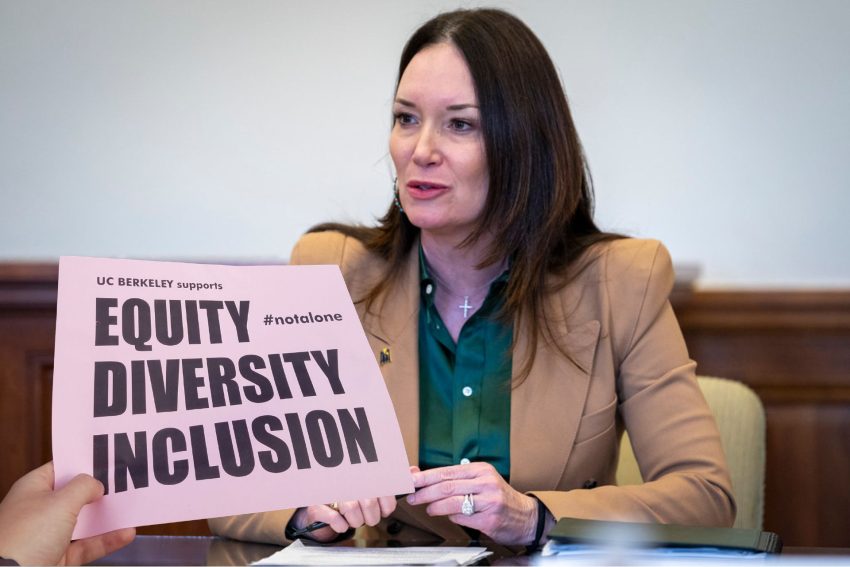
The Department of Justice has delivered a clear ruling: previous USDA programs that handed out benefits to non-White farmers based purely on race violated the Constitution. These initiatives, framed as corrections for historical wrongs, instead practiced overt discrimination against White farmers. True equality, the DOJ affirms, requires treating all farmers the same under the law, not excluding Whites to supposedly atone for past racism.
According to the DOJ’s Office of Legal Counsel opinion, conservation-planning programs and similar efforts that waived fees or provided preferences for “socially disadvantaged” farmers defined by race and sex failed equal-protection standards. “Socially disadvantaged” typically included African American, Hispanic, Asian, and female farmers while excluding White males. Billions in taxpayer dollars flowed through dozens of programs under this framework in fiscal 2025 alone. The DOJ found most of these unlawful. Only programs that can operate in a race- and sex-neutral way will continue.
Acting Attorney General Todd Blanche stated plainly: “Racial discrimination is illegal, and the government cannot show preference to certain groups when awarding special benefits without a compelling reason to justify the classification.” USDA Secretary Brooke Rollins echoed this, committing that “all persons served by this Department will, without question, be treated equally.”
The Failure of Race-Based “Justice”
This decision rightly dismantles programs rooted in the flawed logic that legitimate racism can combat past racism. For years, USDA policies under the banner of “socially disadvantaged” farmers funneled resources away from White applicants solely based on skin color. Proponents claimed this redressed historical discrimination, such as in the Pigford settlements involving Black farmers. Yet these remedial efforts devolved into more racial discrimination, creating new victims while failing to address root causes like merit, need, or actual individual harm.
Critics have long pointed out the hypocrisy. Instead of neutral criteria such as farm size, income, productivity, or documented need, bureaucrats awarded advantages by checking racial boxes. White farmers, many operating family operations with their own economic pressures, found themselves sidelined. This approach did not heal divisions; it deepened resentment and undermined public trust in federal agriculture programs. It presumed guilt by ancestry for one group while granting unearned privileges to others, a textbook case of fighting racism with more racism.
Such policies echo broader DEI initiatives that prioritize identity over competence. In agriculture, where margins are thin and success depends on hard work, weather, markets, and sound decisions, race-based set-asides distort incentives. They discourage excellence and breed inefficiency. Farmers should compete on equal footing, not navigate a system that penalizes them for being White.
A Return to Genuine Equality
The shift to color-blind administration marks progress. Assistance will now focus on constitutionally sound methods: technical support, outreach, and aid based on factors open to all. No more racial scorekeeping. This aligns with core American principles that individuals, not groups, deserve equal opportunity.
Past programs often ignored that disadvantage stems from many sources, not just race. Rural White farmers in declining regions face challenges too: debt, consolidation, labor shortages, and regulatory burdens. Painting all Whites as privileged while elevating other groups as perpetual victims ignores reality and sows division.
The Trump administration’s broader crackdown on illegal DEI across government agencies supports this move. Federal programs must serve citizens equally, not engineer demographic outcomes.
Implications for American Agriculture
Farmers of all backgrounds should welcome this. Real solutions to disparities involve better access to markets, reduced bureaucracy, trade policies favoring U.S. producers, and innovation, not racial handouts. Black, Hispanic, Asian, and female farmers who succeed will do so on merit, just like everyone else. Lowering standards or creating preferences ultimately harms the intended beneficiaries by fostering doubt about their achievements.
The DOJ’s finding reinforces that the Constitution does not permit government to discriminate by race, even with good intentions. “Equity” that disadvantages Whites to balance historical scales was always discriminatory and unsustainable. True equality means one set of rules for all.
American agriculture thrives when government steps back from social engineering and lets farmers focus on what they do best: producing food. This ruling is a step toward fairness, legality, and sanity in farm policy.