

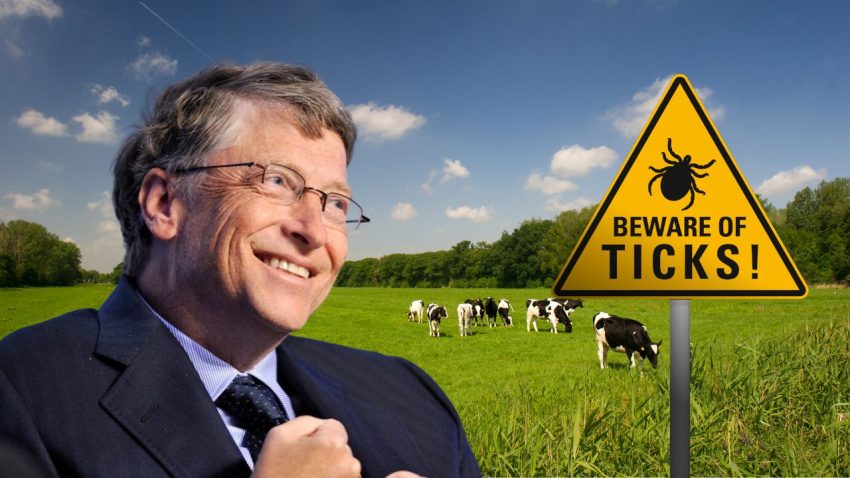
Alpha-Gal Syndrome (AGS) is surging across the United States. There has been a documented 5,566% increase in Alpha-Gal over the past ten years. This condition, triggered by the bite of the lone star tick, causes a potentially severe allergy to red meat and other mammalian products such as dairy. What began as a regional curiosity has become a rapidly expanding public health issue with serious implications for American agriculture and consumer choice.
On Martha’s Vineyard, the situation stands out as particularly alarming. Positive tests for alpha-gal antibodies skyrocketed from just 32 in 2021 to more than 500 in 2024, with continued sharp rises into 2025 and 2026. Local epidemiologists report it comes up in nearly every conversation involving ticks. RFK Jr., as HHS Secretary, highlighted the island as an epicenter, noting that roughly half the adult population there is now affected. While some debate the precise percentage, the trend of explosive growth is undeniable.
Secretary Kennedy tells me HHS is addressing the “explosion of Alpha Gal,” a tick-borne disease that leaves people with a life-long allergy to red meat.
Efforts include searching for a cure and reducing tick populations.
In the quoted tweet, you’ll see NYU “bioethics” professor… https://t.co/D1lLclY4bt pic.twitter.com/fWXxqmXqmL
— Liam Cosgrove (@cosgrove_iv) June 8, 2026
Nationwide, the CDC estimates that as many as 450,000 Americans may already live with AGS, based on data showing over 110,000 suspected cases identified between 2010 and 2022. Cases concentrate in the South, East, and Central states where lone star ticks thrive, but the tick’s range continues to expand northward. Recent analyses show dramatic increases in positive antibody tests, reflecting both greater awareness and genuine spread.
This year ticks appear in massive numbers. Reports from across the Northeast and Midwest indicate elevated emergency department visits for tick bites, with some areas seeing levels not observed in nearly a decade. Warm winters, changing habitats, and high host populations contribute to the boom. Farmers and outdoor workers face heightened exposure, and anecdotal accounts describe unusually heavy infestations.
https://twitter.com/TrueOnX/status/2063573976417194343/video/1
For those who develop AGS, even small amounts of red meat or mammalian-derived products can trigger hives, gastrointestinal distress, or anaphylaxis. The allergy often lasts for years or a lifetime, forcing major dietary shifts. Meat producers, dairy farmers, and related industries could face shrinking demand if prevalence climbs into significant percentages of the population.
American agriculture relies heavily on beef, pork, lamb, and dairy. A large-scale, involuntary reduction in consumption would disrupt supply chains, processing, and rural economies. Livestock farmers already navigate tight margins. Widespread AGS could accelerate consolidation, reduce viability for smaller operations, and reshape entire regions dependent on animal agriculture. While some consumers voluntarily choose plant-based diets, imposing such a change through a widespread medical condition raises deeper concerns about autonomy.
Interestingly, affected individuals are still able to eat lab-grown meat, which leads to some very pertinent questions about who could be behind this.
JOE ROGAN: “The tick thing is nuts…”
TIM BURCHETT: “Because of Bill Gates.”
ROGAN: “Farmers and ranchers are finding boxes of ticks on their property. I have a good friend who got bit by the Lone Star tick and has that alpha-gal problem… It makes your body allergic to red… https://t.co/ALRMb9kJjH pic.twitter.com/RWXz7oWvCU
— Nicolas Hulscher, MPH (@NicHulscher) May 21, 2026
Speculation about deliberate spread has circulated for years. A peer-reviewed philosophy paper in the journal Bioethics argued it could be “morally obligatory” to engineer ticks to spread alpha-gal as a way to reduce meat consumption and animal suffering. The authors framed it as a thought experiment and acknowledged current technological limits, but the paper underscores how some view meat avoidance as an overriding ethical imperative. Even Snopes confirms the paper’s existence while noting it does not prove intentional release. Historical U.S. research programs explored ticks as potential vectors, adding fuel to questions about origins. Regardless of how the current surge developed, the outcome remains the same: more Americans losing the ability to eat traditional foods without risk.
RFK Jr. has responded directly to the crisis. In public remarks, he described AGS as a “devastating disease” and outlined efforts including research into prophylactics and potential cures, collaboration with companies on treatments, and aggressive tick control measures targeting deer populations that sustain ticks. Massachusetts has made AGS a reportable condition to improve tracking. Prevention focuses on avoiding bites through protective clothing, repellents, and habitat management. But with tick populations surging, personal vigilance alone may not suffice. Broader ecological and public health strategies will be necessary.
The core principle here is choice. Individuals should decide their diets based on personal values, health needs, and preferences, not because a tick-borne condition removes options. Forcing a population-level shift away from meat and dairy through illness would represent a profound loss of freedom and could permanently alter American agriculture.
AgroWars will continue monitoring this issue. As data emerges on true prevalence, treatment breakthroughs, and tick management, the stakes for farmers, ranchers, and consumers will only grow. Protecting food choice and rural economies requires serious attention to both the immediate health threat and the forces driving the expansion of AGS.