

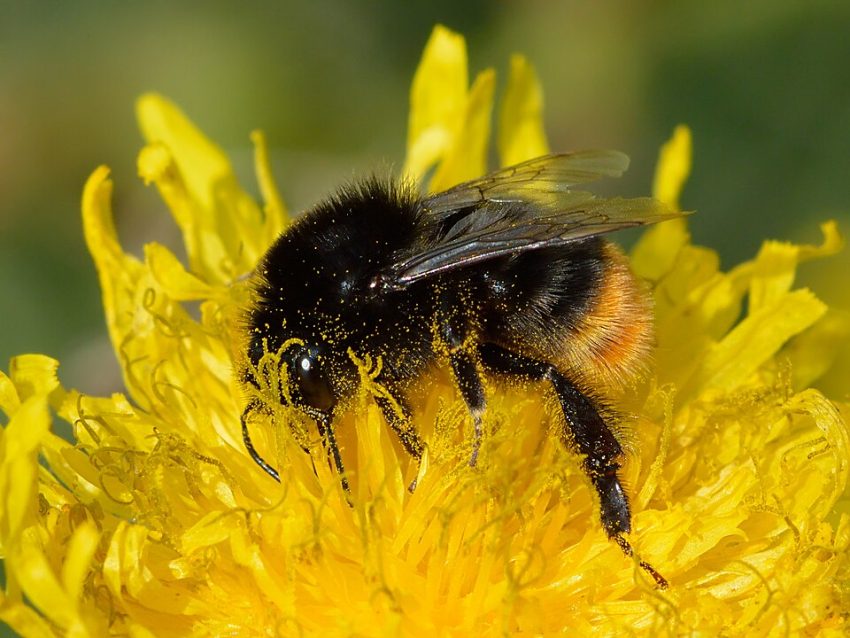
Bees are under unprecedented pressure, yet federal decisions now risk weakening the very research infrastructure that protects them and the crops they pollinate. At a time when beekeepers report devastating colony losses, closing key USDA bee research facilities like the Beltsville Bee Research Lab appears shortsighted and counterproductive for our agricultural system.
Bees Are The Backbone of Pollination and Crop Yields
Honey bees and other pollinators support more than 130 U.S. crops, contributing roughly $15 billion annually to crop production. One out of every three bites of food we eat depends directly or indirectly on pollinators. Almonds, apples, blueberries, cherries, melons, squash, and many vegetables rely heavily on managed honey bee colonies trucked across the country for pollination services.
Without robust pollination, yields drop sharply. Native bees and managed honey bees together sustain a significant portion of American agriculture. When bee populations falter, farmers face higher costs, reduced output, and ultimately consumers pay more at the grocery store for fruits, nuts, and vegetables.
Record Losses Demand Stronger Support, Not Cuts
Winter 2025 brought some of the highest colony losses in U.S. history. Many commercial beekeepers lost over 60% of their operations, with nearly 1.7 million colonies affected nationwide. Pesticide-resistant varroa mites, associated viruses, and other stressors drove much of the damage. These losses translate to an estimated $600 million hit to beekeepers in honey production, pollination fees, and replacement costs.
Beekeepers have long relied on USDA labs for free disease diagnostics, varroa mite research, and rapid response during crises. The Beltsville lab, with over 130 years of service, has been central to tracking threats like Tropilaelaps mites and providing actionable data. Shutting it down, along with broader cuts to USGS and Forest Service pollinator research, removes critical tools precisely when they are most needed.
Research in varied climates, such as the Northeast where Beltsville operates, cannot be easily replicated at labs in warmer regions. Losing this capacity creates blind spots in understanding winter losses and regional crop pollination needs for cranberries, blueberries, and squash.
Priorities in Question: Research vs. Other Spending
Bees face multiple threats: varroa mites, pesticides, habitat loss, and nutrition gaps from monoculture farming. Continuing funding for bee labs represents a modest, high-return investment in food system stability. The projected maintenance costs for modernizing facilities pale in comparison to the economic damage from widespread colony collapses and the downstream effects on agriculture.
Instead of prioritizing bee research that safeguards billions in crop value, resources appear directed elsewhere. Rather than funding pollinator science that prevents far greater long-term expenses, we see proposals that could strain beekeepers further. Strengthening domestic agriculture through research offers clear, tangible benefits over reactive measures abroad that may require future reconstruction funding.
The Path Forward for Food System Resilience
AgroWars readers understand that resilient food production requires protecting foundational elements like pollination. Cutting bee labs risks a brain drain of expertise, higher pollination service prices, and reduced yields for pollinator-dependent crops. Beekeepers already operate on thin margins amid rising fuel and replacement costs.
Policymakers should reconsider these closures. Maintaining and expanding federal bee research, diagnostics, and support programs is essential. Investing here bolsters national food security, supports rural economies, and ensures the “busy bees” that sustain our harvests continue their vital work.
Our food systems cannot afford to lose this critical alliance. With bees already battling severe threats, now is the time to reinforce, not dismantle, the science that keeps them healthy and our tables full.