

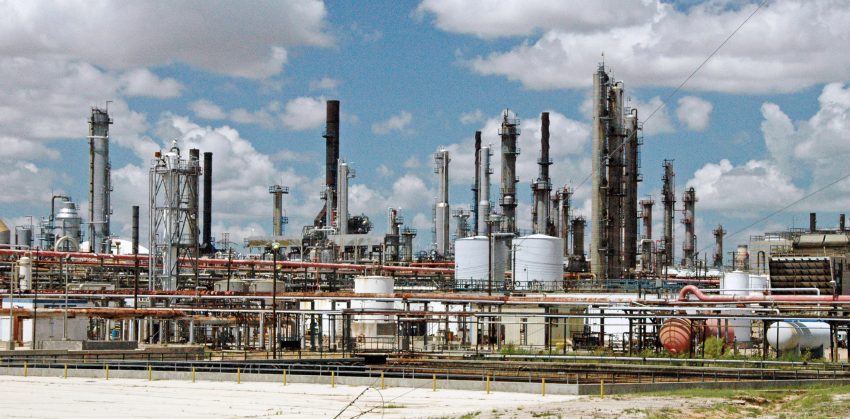
A string of explosions, fires, and accidents at US oil refineries and energy facilities in recent months has raised concerns among industry watchers, local communities, and online commentators. With gasoline prices already soaring above four dollars per gallon nationally, these disruptions come at a sensitive time amid escalating global conflicts involving the United States, Israel, Iran, UAE, and others. While authorities have attributed most events to mechanical failures or operational issues, the timing and clustering have prompted speculation about whether something more coordinated, such as espionage or sabotage, could be at play.
On May 8, 2026, a powerful explosion rocked the PBF Energy Chalmette Refinery near New Orleans, Louisiana. A heater on a reformer unit failed, triggering a large fire that sent thick black smoke billowing into the sky and shook nearby homes. Emergency responders contained the blaze, but the incident at the 190,000-barrel-per-day facility added to a growing list of problems. Investigations continue into the exact cause and whether warning systems performed as expected.
Earlier, in late March 2026, a significant explosion struck the Valero Port Arthur Refinery in Texas. The blast led to shelter-in-place orders for residents, toxic smoke releases, and ongoing environmental reviews. No injuries were reported in that case, but it disrupted operations at a major Gulf Coast hub. Other US incidents have included a fire at the BP Cherry Point refinery in Washington state in April and various smaller events.
These US events fit into a broader international pattern. Since early 2026, refineries and fuel sites in Australia, India, Mexico, Russia, and elsewhere have experienced fires or explosions. Analysts note that some stem from conflict zones, while others appear accidental. Yet the sheer volume, with reports of dozens of incidents in a short span, has strained global energy supply chains already pressured by disruptions in key shipping routes like the Strait of Hormuz.
Gas prices reflect this strain. As of early May 2026, the national average for regular gasoline has climbed above $4.50 per gallon in many areas, with some regions seeing even higher figures. Summer driving season looms, and inventories are tightening. Any further hits to domestic refining capacity could push costs even higher for American consumers already feeling the pinch at the pump.
This situation echoes events from a few years ago involving food processing plants. Between 2021 and 2023, a series of fires and accidents at facilities across the United States fueled online speculation about deliberate efforts to disrupt supplies. Fact-checkers at the time pointed out that such incidents occur regularly in large industries due to the inherent risks of heavy machinery, combustible materials, and complex operations. Most were ruled accidental, with no proven pattern of sabotage. Still, the visible clustering amplified public distrust, especially during periods of broader economic anxiety.
Today, similar questions arise for the energy sector. Refineries are critical infrastructure, often protected but also potentially vulnerable to insider threats, cyberattacks, physical sabotage, or state-sponsored actions. In an era of heightened geopolitical tensions, with direct and proxy conflicts involving major powers, the possibility of covert operations targeting enemy energy assets cannot be dismissed outright. Some commentators have openly wondered about Iranian involvement or other actors seeking to retaliate against US interests by hitting domestic production. Others suggest aging infrastructure, under-maintenance amid high demand, or simple human error as more likely culprits.
Official investigations by bodies like the US Chemical Safety Board typically take time and often conclude with recommendations on safety protocols rather than dramatic revelations. No public evidence has yet linked these US refinery incidents to foreign espionage or organized sabotage. However, the pattern deserves scrutiny. Energy security matters deeply to national stability, economic health, and everyday life. When multiple sites experience serious disruptions in quick succession, it is reasonable to ask whether vulnerabilities are being exploited.
AgroWars readers understand the fragility of supply chains. Just as food system shocks can affect availability and prices, energy disruptions ripple through agriculture via fuel for machinery, fertilizer production, and transportation. Heightened vigilance, robust cybersecurity, stricter safety standards, and diversified energy sources could help mitigate risks, whatever the root causes.
As probes into the latest incidents continue, transparency from operators and regulators will be key. Americans have a right to know if these are isolated accidents in a high-risk industry or signs of something larger targeting the backbone of the economy. In uncertain times, coincidence can look a lot like coordination. The coming weeks and months of investigations may provide clearer answers. Until then, the questions linger.