

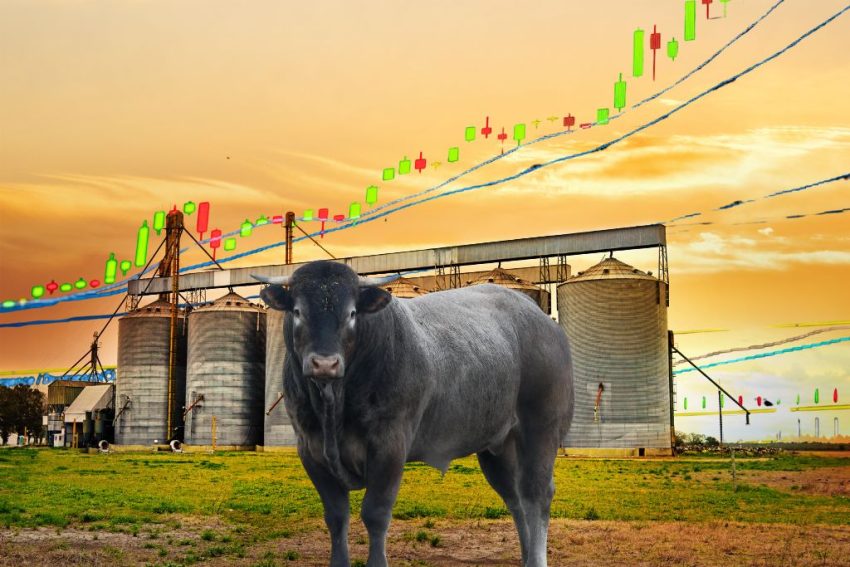
Grain markets are gearing up for what could prove to be one of the most consequential weeks in recent memory. As of Monday, a trio of high-impact events looms that could reshape near-term price direction and set the tone for the new crop year. Traders and producers alike will be watching closely as the spring rally faces its biggest test yet.
According to AgWeb, three key developments stand out: the USDA’s May World Agricultural Supply and Demand Estimates (WASDE) report on Tuesday, a House vote on year-round E15 sales on Wednesday, and President Donald Trump’s summit with Chinese leader Xi Jinping on Thursday and Friday.
The WASDE Factor
Tuesday’s WASDE will deliver the USDA’s first formal look at new-crop fundamentals. This report often carries extra weight because it comes during planting season, when acreage and yield projections remain highly fluid.
Historical patterns show the May forecast tends to overestimate ending stocks for corn and soybeans, with averages running 129 million bushels high for corn and 78 million for soybeans compared to final numbers. Winter wheat offers tighter margins since the crop is already planted. While the report has historically produced relatively neutral directional moves, outliers can spark sharp reactions, especially amid current uncertainties around input costs and weather.
E15 Legislation and Demand Boost
Wednesday brings a potential boost for corn bulls if the House approves standalone legislation allowing year-round E15 sales. High fuel prices tied to geopolitical tensions have added bipartisan momentum, though oil-state resistance remains. A successful vote, or even strong progress toward passage, could provide a psychological lift and support ethanol demand at the margin.
Trump-Xi Summit: The Big One for Soybeans
Many view the Trump-Xi meetings as the week’s headline event. Soybean traders are particularly eager for confirmation that China will follow through on commitments to purchase significant volumes of U.S. soybeans, potentially around 25 million metric tons annually for the next three years.
Recent export pace has lagged USDA projections, making any firm commitments or broader ag purchase announcements highly market-moving. Reports suggest Chinese negotiators may be open to buying other ag goods as well. A positive outcome could spark a relief rally, but risks abound. Friction over other issues could temper Beijing’s enthusiasm, and any perceived disappointment might quickly pressure prices given soybeans’ sensitivity to China headlines.
Broader Context: Geopolitics and the Spring Rally
Geopolitical developments, particularly around Iran and the Strait of Hormuz, have already influenced markets by driving crude oil volatility that spilled into grains. A recent crude selloff pulled corn, soybeans, and wheat back from recent highs, testing the resilience of the budding spring rally that briefly saw December corn above the $5 mark.
Our Take: Bullish Potential with Bearish Risks
From our perspective here on Monday, the setup looks like a classic case of mixed signals with high volatility potential. Bullish elements include possible strong China purchase commitments, E15 progress that supports corn demand, and any WASDE numbers that highlight tighter supplies or weather/input cost concerns that could limit yields. Soybeans appear especially well-positioned for upside if the summit delivers. Recent price action has shown grains recovering some ground on optimism around trade talks.
Bearish risks center on the potential for WASDE to paint a picture of ample supplies, any lack of concrete progress or surprises from the summit, and ongoing macroeconomic or energy market crosscurrents. If the rally has already priced in too much good news, disappointment on any front could trigger a sharp pullback.
Overall, we see this week as offering genuine two-way potential but leaning toward opportunity for those positioned thoughtfully. It may not resolve all uncertainties, but it should provide much-needed clarity on whether the spring momentum can sustain into summer or if new-crop fundamentals will exert more downward pressure. Producers should stay nimble and consider how these events might influence basis, futures, and marketing decisions in the days ahead. This week has the ingredients to be a pivotal one for grains. How it unfolds could echo for months.