

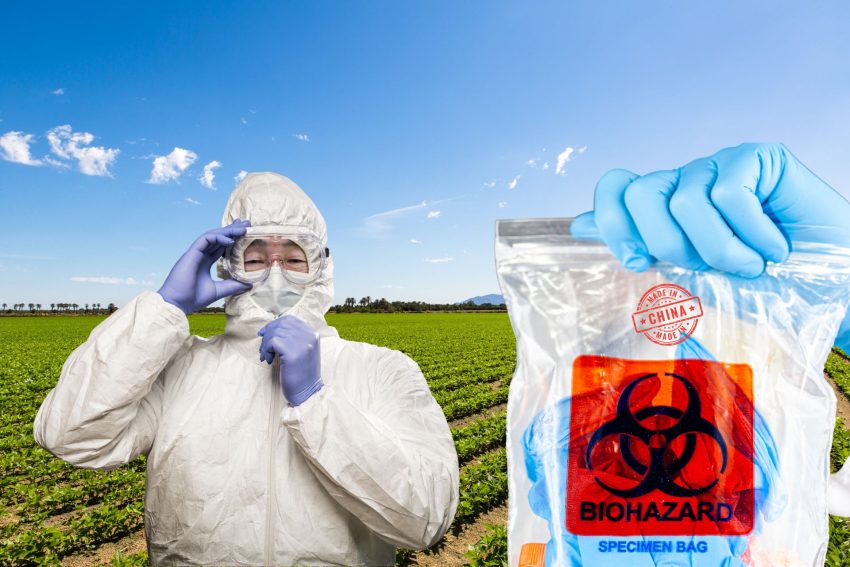
China poses a persistent and escalating threat to U.S. agriculture through systematic intellectual property theft and agroterrorism efforts. This campaign, described as the most devastating raid of agricultural technology in U.S. history, has continued for at least 25 years at a blistering pace.
Federal authorities have documented numerous cases of Chinese nationals and CCP-linked operatives stealing crop seeds, proprietary algorithms, and biological materials. As detailed in a recent AgWeb report, these incidents reveal a pattern of brazen espionage. FBI Director Christopher Wray previously noted that the Chinese government opens new cases roughly every 12 hours, with over 2,000 investigations focused on their theft operations.
Seed and Tech Heists
High-profile prosecutions highlight the scale. In one case, Mo Hailong of Dabeinong Technology Group was caught digging in Iowa corn fields and mailing stolen Pioneer and Monsanto seeds to China. He received a 36-month sentence.
Weiqiang Zhang and Wengui Yan stole rice seed technology worth millions from a Kansas biopharmaceutical firm, using fake USDA invitations to facilitate the theft. Zhang was sentenced to nearly 10 years.
Employees at Monsanto’s Climate Corporation, such as Jiunn-Ren Chen and Haitao Xiang, downloaded trade secrets before fleeing or attempting to leave for China. These cases represent only visible incidents in a much larger operation. Col. (Ret.) John Mills has stated that agriculture sits at the top of CCP priorities for theft.
Agroterrorism Risks
Beyond economic espionage, recent cases point to agroterrorism. In 2024-2025, Chinese nationals including Zunyong Liu, Yunqing Jian, and Chengxuan Han were caught smuggling pathogens like Fusarium graminearum (wheat head blight fungus) and modified nematodes into the U.S., often concealed in luggage or mailed packages.
These biological agents could devastate U.S. crops, causing billions in losses. Suspects provided false statements and deleted evidence, with some linked to CCP loyalty pledges. Many received light sentences of time served before deportation, raising concerns about deterrence.
The CCP’s strategy of “picking flowers in foreign lands to make honey in China” continues unabated. U.S. agriculture must treat this as a national security priority, strengthening protections for research, borders, and supply chains to safeguard food security against this multifaceted threat.
This article draws heavily from the May 5, 2026 AgWeb report by Chris Bennett.