

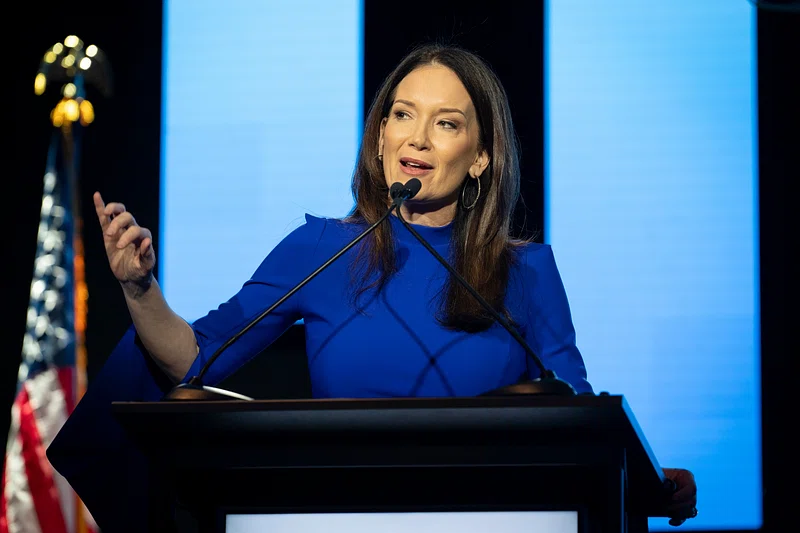
Agriculture Secretary Brooke Rollins unveiled the Trump administration’s fertilizer plan on April 28, 2026, to counter rising prices squeezing U.S. farmers. The approach relies on an all-of-government push to expand domestic production and cut import dependence.
Short-term steps include extending the Jones Act waiver for easier sea transport of fertilizer. Officials waived restrictions on Venezuelan imports to cover 57 percent of the April-to-June urea shortfall. CF Industries delayed maintenance to add 100,000 tons of nitrogen capacity now and plans another 1.4 million metric tons next year.
Longer-term targets call for 30 percent more domestic nitrogen output, over 100 percent growth in potash, and 200 percent in phosphate within one to two years. The Commerce Department committed more than $1 billion for infrastructure. The EPA and Army Corps pledged faster permitting while protecting the environment. Interior Secretary Doug Burgum and Commerce Secretary Howard Lutnick highlighted regulatory relief for mining.
Rollins stressed national security risks from heavy market concentration, where two firms control 90 percent of key inputs. The Justice Department and Federal Trade Commission opened investigations. She urged farmers to report pricing concerns.
Yet supply pressures extend beyond U.S. borders. Fertilizer trade faces a severe gridlock tied to the Strait of Hormuz. No fertilizer or sulfur has moved through the waterway since tensions escalated, even after a ceasefire. Some 17 million tons of sulfur sit idle, along with 20 million tons of urea (30 to 35 percent of global trade) and 3.4 million tons of ammonia.
ITAFOS CEO David Delaney described the bottleneck as a major threat. “Availability globally will be more pronounced over the next 6 to 12 months,” he said. Even if the strait reopens, clearing the backlog could take six months. Many overseas plants cannot run at full capacity, forcing U.S. producers to boost output.
A prolonged closure would worsen the situation. Farmers could see tighter supplies and higher prices through the next planting season. Domestic companies would need to increase production further to fill gaps. Transportation bottlenecks already make securing product harder for many operations.
The USDA plan aims to ease these risks by building American capacity. Senators John Hoeven and John Boozman endorsed the effort and called for additional support. As global disruptions linger, the focus on homegrown fertilizer may help stabilize farm costs and yields.