

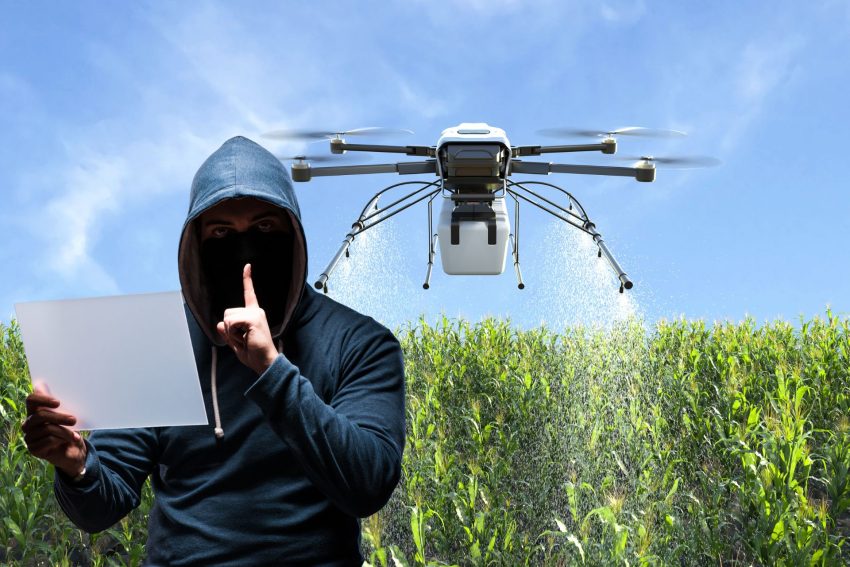
In late March 2026, thieves executed a sophisticated theft of 15 high-end agricultural spray drones from a shipping and logistics company in Harrison, New Jersey. The fleet of Ceres Air C31 models, each roughly the size of an all-terrain vehicle, vanished after a bogus delivery driver tricked workers at CAC International on March 24. Valued at hundreds of thousands of dollars, these industrial sprayers are built for precision tasks in large-scale farming. They can carry and disperse up to 40 gallons of liquid across 30 acres in a single GPS-guided flight.
The FBI has taken a keen interest in the case, treating it as more than a simple equipment heist. Investigators describe the operation as coordinated and professional. Retired FBI agent Steve Lazarus told national security outlets that the bureau is genuinely alarmed. These machines are not recreational quadcopters with cameras. They are purpose-built industrial tools designed to deliver large volumes of liquid with speed and pinpoint accuracy over wide areas. In the wrong hands, they become an off-the-shelf delivery system for far more dangerous payloads.
Agriculture already faces plenty of threats from weather, pests, and market swings. The theft of these drones adds a new layer of vulnerability that hits directly at the heart of American food production. Stolen, hijacked, or weaponized ag spray drones could inflict serious damage across U.S. farmlands in ways that go far beyond financial loss.
Consider a hijacked drone during routine operations. Many modern ag drones rely on GPS autopilot and wireless control links. A skilled attacker could intercept or spoof those signals, redirecting the flight path mid-mission. Instead of applying fertilizer or targeted pesticide, the drone could blanket a field with a broad-spectrum herbicide or an unapproved chemical mix. A single altered flight could wipe out an entire section of soybeans, corn, or specialty crops worth tens of thousands of dollars in a matter of minutes. For livestock operations, the same technology could target feed lots or grazing pastures, contaminating water sources or forage with toxins that sicken animals and trigger costly quarantines.
Weaponized versions pose an even darker scenario. The drones’ payload capacity and precision make them ideal for dispersing biological agents, chemical irritants, or plant pathogens. A single unit could cover 30 acres per load. Fifteen drones operating in tandem could hit hundreds of acres before authorities even detect the intrusion. In a worst-case attack on concentrated agricultural regions such as the Midwest corn belt or California’s Central Valley, attackers could introduce diseases that spread rapidly through soil, irrigation systems, or pollinators. The result would be widespread crop failure, supply-chain disruptions, and skyrocketing food prices. Post-9/11 concerns about manned crop dusters have now evolved into a drone-era nightmare where the delivery vehicle is cheap, autonomous, and leaves no pilot behind.
Even without outright weaponization, stolen drones could fuel illegal operations that undermine legitimate farming. Black-market units might be used for unregulated pesticide application, cross-contaminating organic fields and triggering massive recall costs. Or they could serve as tools for corporate espionage, allowing competitors or foreign actors to sabotage test plots and research fields.
The broader economic ripple effects would be severe. American agriculture contributes hundreds of billions to the national economy each year. A coordinated drone attack on key growing regions could damage export credibility, spike insurance premiums, and force farmers to spend heavily on new protective measures. Rural communities already stretched thin would face additional pressure from lost harvests and recovery costs.
This incident underscores why the agriculture sector must treat drone security as a core priority, not an afterthought. Manufacturers, dealers, and farm operators need stronger safeguards at every stage. That includes tamper-proof GPS tracking on every unit, remote kill switches that activate if a drone leaves authorized boundaries, and encrypted command links resistant to spoofing. Storage facilities should adopt the same rigorous inventory controls used for high-value farm equipment, with surveillance, access logs, and verification protocols for every shipment or transfer.
Farmers themselves can take practical steps today. Conduct regular audits of drone fleets. Install geofencing software that prevents operation outside designated fields. Partner with local law enforcement and extension services to develop response plans for suspicious drone activity. At the policy level, federal agencies should accelerate standards for secure ag-drone design and explore incentives for counter-unmanned aircraft systems tailored to rural environments.
The FBI’s concern is not hype. It is a clear signal that the technology revolutionizing American farming also creates fresh avenues for disruption. By treating drone security with the same seriousness given to tractor GPS systems or grain storage, the ag industry can protect its productivity, its land, and the nation’s food supply. The 15 missing drones in New Jersey are a warning. The time to harden defenses is now, before the next theft turns into the next crisis.