

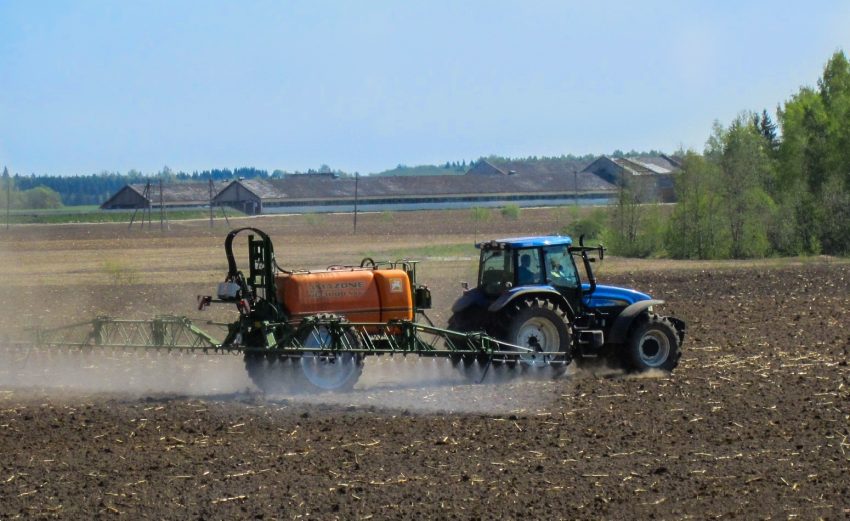
Congress is rushing to pass a Farm Bill loaded with provisions that would hand pesticide manufacturers like Bayer total immunity from liability for the harms their products cause, including cancer. Rep. Thomas Massie is sounding the alarm, calling it exactly what it is, which is corporate protection, not help for farmers.
In a recent statement, Massie made it crystal clear. “This is not to grant farmers immunity. This is to grant the corporations immunity. If farmers contract a form of cancer or non-Hodgkin lymphoma from this chemical, if this makes it into the Farm Bill, you won’t be able to sue for that.” He pointed to specific sections, including 10205, 10206, 10207, and parts of 10201, that would block lawsuits even when people get sick after using the products as directed.
Thomas Massie is sounding the alarm.
Congress is on the brink of passing a liability shield for pesticide companies, like Bayer, who give Americans cancer.
Bayer is a foreign company, but Congress wants to give them total immunity to mass poison Americans with glyphosate.… pic.twitter.com/qifkOcNkK7
— Stand for Health Freedom (@standforhealth1) March 30, 2026
Politicians and big agriculture boosters are framing the move as essential for farmers. They claim it ensures a steady supply of critical inputs like herbicides without the threat of costly lawsuits driving up prices or forcing products off the market. The argument goes like this: if companies can get sued every time someone develops cancer, the products will become much more expensive, hurting the very farmers who rely on them to stay competitive.
But this is not support for farmers. It is an attack on them. These provisions would strip away the ability of farmers, farmworkers, and their families to hold companies accountable if they develop serious illnesses after years of exposure. Farmers would be left without recourse, while the corporations that produced the chemicals walk away unscathed. The costs of any harm would not be borne by the companies that profited. Instead, they would shift to the victims themselves or, in some cases, taxpayers through government programs.
This playbook is not new. It mirrors what happened with vaccine manufacturers. Decades ago, Congress granted them broad immunity from liability for damages caused by their products. When injuries occurred, the costs were passed on to taxpayers through special compensation funds rather than forcing companies to improve safety or pay out of their own pockets. The same pattern is repeating here with pesticides. Foreign-owned giants like Bayer, which bought Monsanto and inherited the glyphosate-based Roundup lawsuits, are pushing hard for the same kind of shield.
The Environmental Protection Agency plays a central role in enabling this. A new analysis shows the EPA has approved hundreds of pesticide ingredients classified as “likely” or “possible” human carcinogens over the past 40 years. Internal assessments found cancer risks far above the agency’s own safety thresholds, sometimes up to 7,000 times higher for certain exposures. Yet the agency rarely requires clear cancer warnings on product labels. Of thousands of labels reviewed, cancer warnings appeared on just 1 percent or so of those containing likely or possible carcinogens.
Experts have called out the failure. Bill Freese of the Center for Food Safety said it is bad enough that the EPA approves cancer-causing pesticides, but failing to require warnings is inexcusable. Lori Ann Burd of the Center for Biological Diversity noted that the agency knows these products are dangerous yet refuses to compel companies to warn users. Without those warnings, companies can claim their labels meet federal standards and use that as a defense against lawsuits.
Massie has warned that the EPA’s approach effectively helps cover up risks. The agency approves the products, downplays or ignores emerging evidence of harm, and then the Farm Bill language would lock in that approval as a shield against any accountability. Bayer has spent millions lobbying for exactly these protections, including efforts tied to an earlier executive order that tried to frame glyphosate production as a national security issue while granting liability immunity.
The push is not limited to the Farm Bill. Similar immunity language has appeared in state legislatures and other federal bills, often backed by the industry. Some versions were stripped after public backlash, but the fight continues. A pending Supreme Court case involving Bayer could further expand these protections nationwide if it rules that EPA approval preempts state-level failure-to-warn claims.
Farmers deserve better. They need access to tools that do not quietly destroy their health or the health of their families. True support for agriculture would demand rigorous safety testing, honest labeling, and real accountability from manufacturers. Instead, the current effort in the Farm Bill does the opposite. It protects corporate profits at the direct expense of farmers who may one day find themselves diagnosed with cancer after years of following the instructions on the jug.
Massie and a handful of others are fighting to remove these sections and preserve the right to sue. The MAHA movement has also pushed back hard, recognizing this as a direct contradiction to making America healthy again. There is still time for Congress to listen to farmers and citizens instead of lobbyists. If the liability shield stays in the final Farm Bill, it will not just betray farmers. It will tell every American that corporate immunity matters more than public health.