

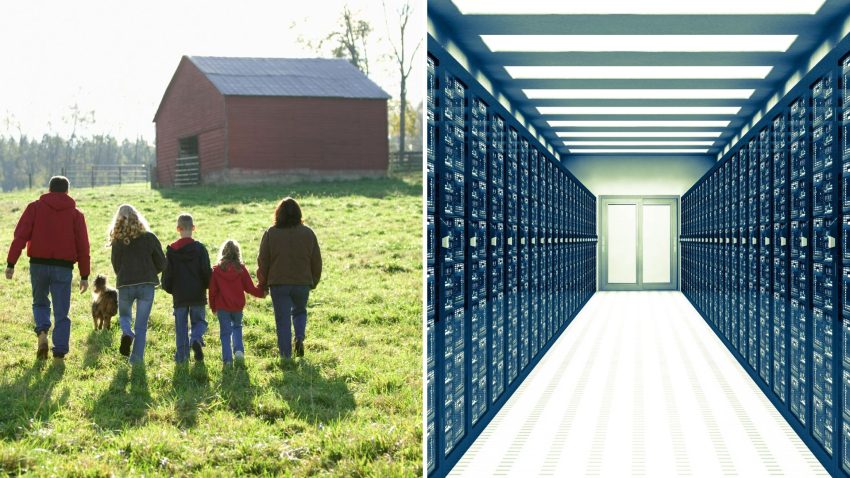
The annexation of rural land is accelerating the loss of America’s farmland, threatening the viability of family farms and the fabric of rural communities. As cities expand and big tech companies seek sites for massive data centers to power artificial intelligence and cloud computing, productive agricultural acres are being swallowed up through annexation processes. This trend forces generational farmers into unwanted urban jurisdictions, imposes higher taxes for services they rarely use, and erodes the agricultural base that sustains local economies.
A recent case in North Dakota highlights the intensity of these conflicts. Near Harwood, a proposed $3 billion AI data center project sparked an annexation battle between the small town and the larger city of Fargo. Fargo attempted to annex hundreds of acres of farmland surrounding the site, which would have pulled family farms into city limits. Farmers opposed the move, arguing it would raise property taxes dramatically while providing little benefit, as city services like sewers, streets, or expanded police coverage are not needed on working farms. The annexation would also disrupt long-standing agricultural operations and threaten the continuity of generational land ownership.
After months of pushback, including public hearings and community opposition, Fargo ultimately withdrew its annexation attempts. This outcome shows the power of resistance, but similar fights continue across the country. In Wisconsin, proposals for hyperscale data centers have led to the annexation of hundreds of acres of farmland, prompting residents and farmers to form opposition groups and raise concerns about water usage, electricity demands, and the permanent loss of productive soil. In Missouri and other states, cities have pursued annexation for potential data center developments, often outbidding farmers or using municipal authority to rezone land.
The broader impacts are severe. The United States is losing farmland at an alarming rate to development, including urban sprawl and industrial projects. In the Midwest alone, development accounted for a significant portion of agricultural land loss in recent years. Projections from organizations like American Farmland Trust indicate that without intervention, the nation could lose tens of thousands of farms and billions in annual farm output by 2040, along with hundreds of thousands of related jobs. When prime farmland is paved over or converted, communities lose access to local food production, face increased food insecurity risks, and see rural economies weaken as farming families are displaced or burdened with unsustainable costs.
Big tech’s role amplifies the problem. Demand for AI infrastructure has driven companies to target rural areas with available land, cheap power, and fewer regulations. Developers often offer substantial sums per acre, but annexation enables projects even when farmers resist selling. Once land is annexed, farmers may face immediate tax increases and restrictions that make continuing operations difficult.
Farmers are fighting back through a variety of means. They attend city council meetings and public hearings in large numbers to voice opposition, organize petitions, and build coalitions with neighbors and advocacy groups. In some cases, these efforts lead to delays, withdrawals, or outright rejections of annexation proposals. In North Dakota, persistent community pressure contributed to Fargo dropping its plans. Elsewhere, farmers have pursued legal challenges, supported preservation easements, or advocated for stronger state-level protections against involuntary annexation.
These battles are crucial. Family farms are not just businesses; they are repositories of generational knowledge, stewards of the soil, and anchors of rural life. Allowing unchecked annexation risks accelerating the consolidation of land away from small and mid-sized producers, further concentrating food production and diminishing resilience in the face of supply chain disruptions or weather challenges. When farmers stand up and organize, they aren’t just protecting their own livelihoods, but also the nation’s long-term food security and the cultural heritage of rural America. Continued vigilance and collective action are essential to ensure productive farmland remains in agricultural hands for future generations.