

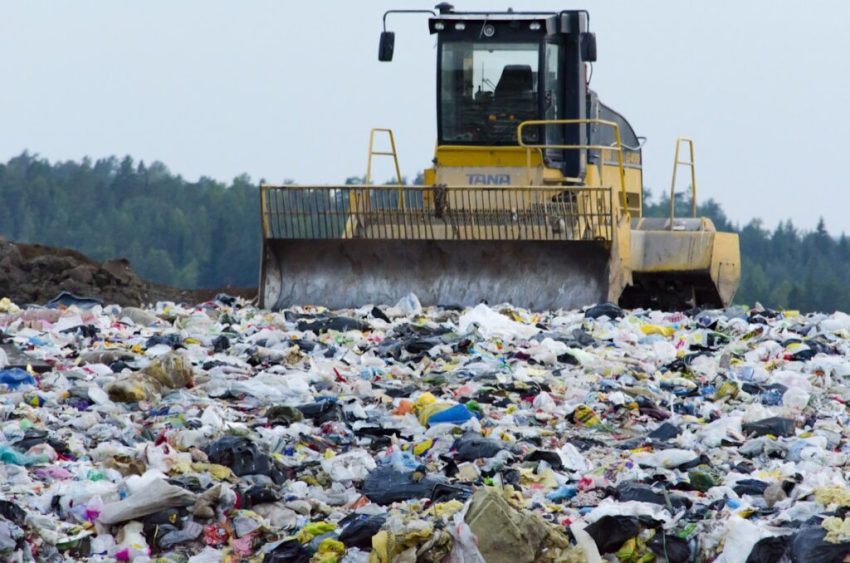
Plastic pollution has reached catastrophic levels. It infiltrates every corner of our planet and threatens life as we know it. Each year, humanity produces over 400 million tons of plastic. Projections show that figure could nearly triple by 2060 without drastic intervention. Around 11 million tons of this waste enter our oceans annually. This equals dumping 2,000 garbage trucks full of plastic into waterways every day. This relentless tide of pollution does not just litter beaches. It breaks down into microplastics that now contaminate our air, water, soil, and even our bodies.
Once in the environment, petroleum-based plastics do not truly disappear. They fragment into microplastics, tiny particles smaller than 5 millimeters, that persist for centuries. These insidious fragments have been found in over 800 marine species. They cause entanglement, ingestion, and death for wildlife. On land, they disrupt ecosystems, reduce soil productivity, and harm biodiversity. Alarmingly, microplastics are now ubiquitous in human bodies. They have been detected in blood, lungs, livers, placentas, reproductive organs, and even brains. Studies link them to inflammation, oxidative stress, reproductive issues, and increased risks of heart disease, cancer, and neurological disorders. Animal research shows similar harms, with microplastics impairing gut health, metabolism, and fertility. The economic toll is staggering. Marine plastic pollution alone causes up to $2.5 trillion in annual losses through diminished ecosystem services.
The invasion of microplastics into our food chain is particularly disturbing. They have been found in seafood, salt, honey, and bottled water. They enter human systems through ingestion and inhalation. In animals, they cause bioaccumulation. This leads to malnutrition, reduced reproduction, and mortality. For humans, the particles disrupt endocrine systems. They potentially cause developmental disorders and immune suppression. Recent findings show microplastics in human arteries correlate with a 4.5-fold higher risk of heart attacks and strokes. This silent threat is already causing untold damage. Health impacts are projected to rise 75 percent by 2040.
Open burning of plastic waste releases toxic chemicals into the air. It exacerbates health risks like asthma and cancer and could contribute to changes in the climate. Without action, plastic pollution could double in the next 15 years. It would overwhelm waste systems and ecosystems.
To combat this, we must pivot to plant-based, biodegradable alternatives for single-use packaging. Materials such as polylactic acid from cornstarch, bagasse from sugarcane, or cellulose from plants offer viable substitutes. They break down naturally without leaving toxic residues. These bioplastics can replace petroleum-based items in food packaging, bags, and wraps. They reduce pollution while maintaining functionality. However, bioplastics currently cost 20 to 50 percent more than conventional plastics due to raw material and production expenses. This price gap necessitates government intervention. We would need to ban single-use petroleum plastics and subsidize plant-based production to make alternatives affordable.
Successful examples abound. The EU banned certain single-use plastics in 2021. Countries like Rwanda and Kenya have outlawed plastic bags. These actions spurred shifts to alternatives. In the United States, states like California and New York have implemented bag bans and straw restrictions. Subsidies for eco-friendly options have helped businesses transition. A national U.S. ban, paired with subsidies, could accelerate adoption. Initial costs might rise 15 to 30 percent for packaging.
A public awareness campaign is crucial to build support. It should frame the shift as essential for health, environment, and economy. Polls show growing consumer demand for cleaner, healthier options. This could pressure businesses to adapt.
This transition would supercharge American agriculture. Plant-based plastics rely on crops like corn, sugarcane, and hemp. They create new markets for farmers. Scaling up bioplastic production could add billions to the agricultural economy. The United States is positioned to lead globally. By pioneering standards and exports, America could become the powerhouse of plant plastic. This would boost rural jobs and innovation.
On the international front, the United States should advocate for sanctions against nations that persist in polluting oceans and air through plastic production and incineration. Proposals for trade measures under a global plastics treaty could penalize high-polluters. These measures would encourage worldwide adoption of better practices. Recent UN talks highlight the need for binding agreements, though progress is slow.
Of course, big oil cartels will resist fiercely. The oil industry views plastics as a lifeline amid declining demand. They lobby against bans and production caps. They have derailed global treaty negotiations and pushed state laws preempting local plastic restrictions. Their short-term profits come at the expense of our planet’s and our people’s long-term health.
The time for half-measures is over. By banning petroleum plastics, subsidizing plant-based alternatives, and rallying public support, we can avert disaster. This is an environmental imperative and an opportunity for American agriculture to lead a global revolution. Let us turn the tide before it is too late.