

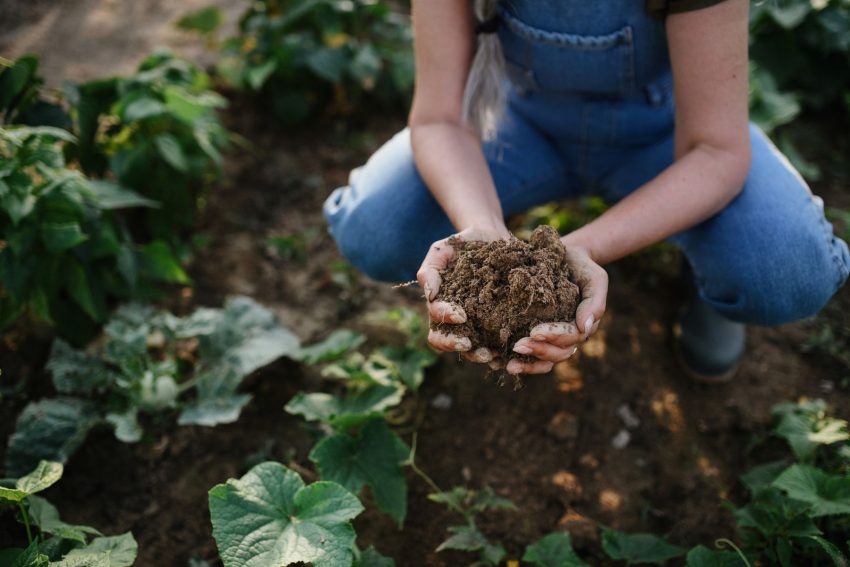
Regenerative agriculture has emerged as one of the most discussed approaches in modern farming. At its core, it focuses on practices that rebuild soil health, increase biodiversity, enhance water retention, and improve overall farm resilience. Common techniques include cover cropping, reduced or no-till farming, rotational grazing, and integrating diverse plant species. The goal is to create systems where the land improves over time rather than depletes, leading to lower long-term input costs and more stable yields.
However, the term “regenerative agriculture” remains somewhat vague. There is no single, federally mandated definition, and experts have identified over 200 different descriptions. Generally, it emphasizes outcomes like healthier soil and reduced chemical dependency, but it lacks the strict certification standards of organic farming. This flexibility allows farmers to adapt practices to their specific operations, but it also means the label can sometimes be applied loosely in marketing or policy discussions.
In December 2025, the USDA launched a significant step toward supporting these practices with the $700 million Regenerative Pilot Program. Announced by Agriculture Secretary Brooke Rollins alongside Health and Human Services Secretary Robert F. Kennedy Jr. and others, this initiative reallocates $400 million from the Environmental Quality Incentives Program (EQIP) and $300 million from the Conservation Stewardship Program (CSP) for fiscal year 2026. It ties directly to the Make America Healthy Again (MAHA) agenda, which aims to produce more nutrient-dense foods to address chronic health issues while putting farmers first. The program streamlines applications, allowing producers to bundle practices into whole-farm plans, and includes an advisory council of farmers and stakeholders to keep it practical.
Is $700 million enough? As a pilot program, it represents a meaningful starting point, especially since it encourages private-public partnerships to leverage additional funding. However, given the scale of American agriculture and the existing backlog in conservation programs, many observers note it may only scratch the surface. Transitioning farms involves upfront risks and costs, and broader adoption will likely require sustained or expanded funding in future years. Groups like the Environmental Working Group have called for more resources to meet demand and support technical assistance.
Should farmers consider transitioning? For many, the answer is worth exploring. Regenerative practices can reduce dependency on expensive fertilizers and pesticides over time, improve drought resistance, and open new markets for premium products. Farmers already using conservation methods report long-term profitability gains. That said, transitions require planning, as initial yields may dip while soil rebuilds. The new pilot lowers barriers with incentives and simplified processes, making it a low-risk opportunity to test approaches on part of an operation.
What about food prices? Widespread adoption could eventually stabilize or even lower costs by reducing input expenses and building resilience against weather extremes that drive price spikes. In the short term, premium regenerative products might carry higher prices due to niche markets, but increased supply could bring them down. Healthier soils also support more consistent production of nutrient-rich foods, potentially benefiting consumers beyond just the price tag.
One persistent challenge is the structure of federal subsidies. Historically, the bulk of support, including crop insurance premiums, has gone to a handful of commodity crops like corn, soy, wheat, cotton, and rice. This system favors large-scale monoculture because it provides reliable, high-volume outputs for global markets and livestock feed. Monoculture operations often receive disproportionate benefits, while diversified or regenerative systems get less direct support. Critics argue this skew discourages innovation and locks farmers into input-heavy models. The new regenerative pilot begins to shift incentives, but commodity programs still dominate the farm bill landscape.
Amid these changes, promising approaches are gaining traction. Agroforestry, which integrates trees and shrubs into farms, is seeing renewed interest through USDA programs and private initiatives. Practices like alley cropping (growing annuals between tree rows) or silvopasture (grazing livestock under trees) boost resilience and diversify income. Food forests, multi-layered systems mimicking natural ecosystems with edible perennials, are popping up in urban and rural settings alike. Integrating perennials with annual crops builds soil organic matter, reduces erosion, cuts fertilizer needs, and enhances biodiversity. These systems often yield fruits, nuts, timber, and forage alongside traditional crops, creating multiple revenue streams while regenerating the land.
Enriching the soil and producing healthy food through these methods makes strong practical sense for long-term farm viability and national food security. Widespread acceptance will grow fastest when the focus stays on tangible benefits like profitability, risk reduction, and independence from volatile inputs, rather than tying it exclusively to partisan agendas or alarmist rhetoric about the climate. Farmers respond best to programs that respect their expertise and deliver real results on the ground. With initiatives like the regenerative pilot putting producers first, this approach has a real chance to take root across American agriculture.