

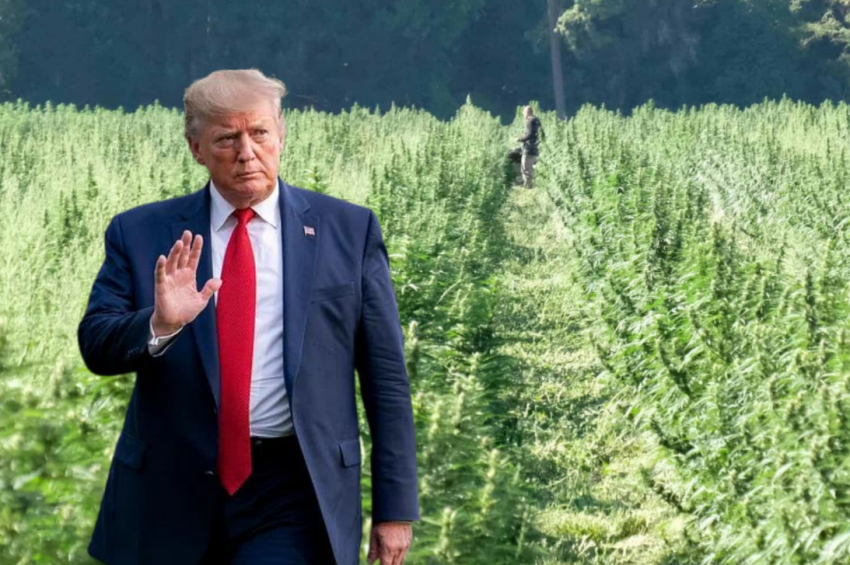
President Donald Trump is poised to sign an executive order reclassifying marijuana from Schedule I to Schedule III under the Controlled Substances Act. This shift, anticipated possibly this week, acknowledges the plant’s medical potential and could open new avenues for research and regulated production. For farmers burdened by the volatility of traditional row crops like corn, soybeans, and wheat, this development hints at diversification opportunities in cannabis cultivation.
However, the landscape is complicated by a recent government funding bill signed in November 2025, which redefines hemp to close loopholes exploited by intoxicating products like Delta-8 THC and THCA-rich flower. These changes, effective November 2026, could shrink the hemp-derived intoxicants market and push more activity toward regulated marijuana channels.
The Reclassification: Unlocking Federal Recognition
Marijuana’s current Schedule I status groups it with substances deemed to have no medical use and high abuse potential, such as heroin. Moving it to Schedule III aligns it with drugs like ketamine and codeine compounds, recognizing moderate to low dependence risk and accepted medical applications.
Trump has emphasized the research benefits, stating that reclassification would enable “tremendous amounts of research that can’t be done” otherwise. Reports indicate the order will direct the Drug Enforcement Administration to finalize the process, building on a stalled review from the previous administration.
This change does not legalize marijuana federally but eases restrictions on medical research and could improve banking access for state-legal operators. Critically, it distinguishes “marijuana” (over 0.3% delta-9 THC) from hemp (0.3% or less), potentially encouraging licensed cultivation of higher-THC cannabis under federal oversight.
Opportunities for Farmers Seeking Diversification
Many American farmers face relentless stress from commodity price swings, weather risks, and input costs in row crop agriculture. Cannabis, particularly in states with legal markets, offers higher per-acre returns and a chance to pivot. Rescheduling could stabilize the industry by: facilitating interstate commerce in the long term, attracting institutional investment, and expanding medical markets.
Farmers in states like California, Colorado, and emerging ones could license for marijuana production, moving away from low-margin grains. Hemp farmers growing low-THC varieties for CBD might also benefit indirectly from overall sector growth, though the focus shifts toward regulated THC products.
The Hemp Loophole Closure: A Counterbalancing Force
The November 2025 funding bill (H.R. 5371) redefines hemp to include “total THC” (delta-9 THC plus THCA and similar cannabinoids) at no more than 0.3% on a dry weight basis. It also caps finished products at 0.4 milligrams total THC per container and bans certain synthesized cannabinoids.
This targets the booming market for Delta-8 THC edibles, vapes, and high-THCA flower, which bypassed stricter marijuana regulations via the 2018 Farm Bill’s delta-9-only threshold. Effective in 2026, the changes aim to curb unregulated intoxicating products sold nationwide.
For hemp farmers, this could mean reduced demand for biomass used in these extracts, potentially lowering acreage and prices. Many who diversified into hemp post-2018 now face uncertainty, with industry estimates warning of job losses and contract disruptions.
What This Means for Diversification Strategies
The dual developments create a mixed outlook. There is short-term caution for hemp, as farmers relying on intoxicating derivatives should prepare for market contraction. There is, however, long-term potential in marijuana, as rescheduling may bolster state-legal THC cultivation, offering a more regulated but stable path for diversification.
Farmers considering cannabis should monitor state licensing, soil suitability, and processing infrastructure. Transitioning from row crops requires investment in compliance, security, machinery, and expertise, but successful operators report stronger margins.
In a sector plagued by endless stress, these policy shifts could mark a turning point. Rescheduling signals federal acceptance of cannabis’s value, while the hemp restrictions redirect growth toward oversight. For resilient American farmers, adapting to this evolving crop may provide relief from traditional agriculture’s grind.