

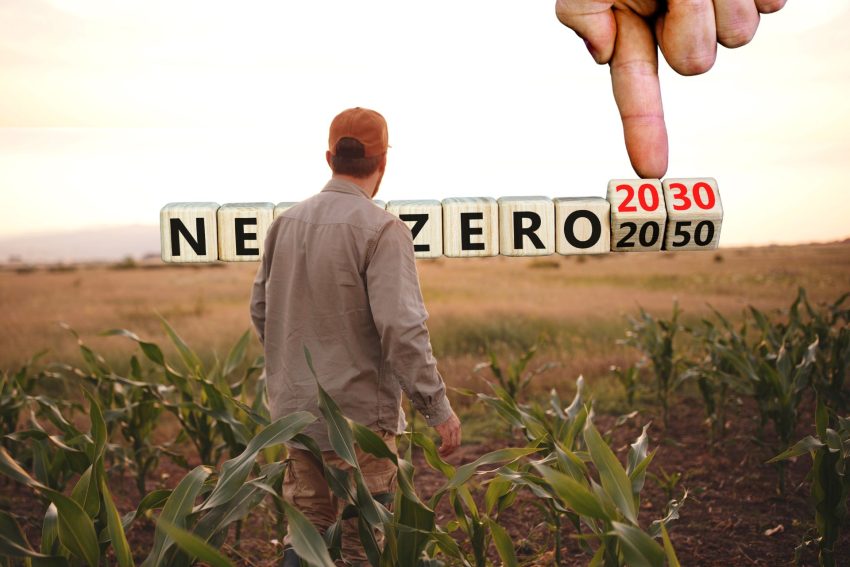
In an era where global supply chains are as fragile as a farmer’s hope for rain, the push for “net zero” emissions policies stands out as a masterclass in economic self-sabotage. For countries or blocs, like the European Union, that have eagerly embraced these mandates, the result is nothing short of shooting themselves in the foot. They watch their manufacturing and agricultural sectors limp while competitors unbound by such green shackles sprint ahead. The United States, struggling through tough economic headwinds in late 2025, can at least breathe a sigh of relief that the Green New Deal’s more draconian elements never fully took root. With whispers of policy reversals under a new administration and the unyielding zeal of climate advocates, however, the battle for America’s industrial soul rages on. As industries elsewhere crumble under the weight of virtue-signaling regulations, one truth emerges. In the race for competitiveness, hobbling yourself leaves you lapped by those who refuse to play the game.
The Manufacturing Massacre: Europe’s Cautionary Tale
Factories shuttering, jobs evaporating, and energy bills skyrocketing. All of it happens in the name of saving a planet that seems indifferent to the human cost. That is the stark reality for the EU, where net zero ambitions have morphed into an industrial death spiral. Aggressive decarbonization targets, carbon pricing, and renewable energy surcharges have jacked up operational costs for energy-intensive sectors like steel, chemicals, and autos. The result is a continent once synonymous with engineering prowess that now bleeds competitiveness.
Recent data paints a grim picture. In November 2025, the US Manufacturing Purchasing Managers’ Index (PMI) clocked in at 51.9. That marked the tenth expansionary month in the past eleven and signaled robust new orders, stable margins, and surging investment plans. Meanwhile, across the Atlantic, Germany’s PMI slumped to 48.4 (deep in contraction territory), while France and the UK barely scraped by below or at the 50 threshold. Europe’s woes are not abstract. They appear in closed plants and fleeing multinationals. High energy prices, exacerbated by net zero’s war on fossil fuels, have widened input cost gaps to the point where savvy investors are redirecting capital to North America. As one analyst starkly warns, these policies are “handing manufacturing, automation, and investment to China and others.” They turn Europe into a cautionary tale of ideological overreach.
The implications for global trade are seismic. While the EU chases elusive carbon neutrality and boasts an 18-22% reduction in GHG and energy-related CO₂ emissions from 2010 to 2024, the US has matched that progress (an 18% drop) without the regulatory straitjacket. America’s pragmatic pivot toward tax incentives and flexible energy transitions has fueled reshoring booms, lower costs, and internal demand. Europe is left with falling orders, slashed investments, and a growing exodus of industry to shores unburdened by green dogma.
Plowing Through the Green Mirage: Agriculture’s False Promises
If manufacturing is the EU’s bleeding artery, agriculture is the sector gasping for air under net zero’s suffocating embrace. Farmers across the bloc face a regulatory thicket that demands “climate-smart” practices. These include precision farming tech, reduced tillage, and carbon sequestration schemes. At the same time, the rules saddle them with higher input costs and volatile subsidies. The irony is that these policies often exacerbate the very vulnerabilities they claim to solve, such as soil degradation from over-reliance on synthetic alternatives to traditional fertilizers.
Global competitors tell a different story. Nations like Brazil, Argentina, and parts of Asia operate with lax environmental rules that allow cheaper production of staples like soy, corn, and beef. Without the EU’s carbon taxes or methane-tracking mandates, these exporters flood markets with affordable goods and undercut European producers who cannot pass on their compliance costs. The result is a vicious cycle. Farm incomes plummet, rural communities hollow out, and food security becomes a punchline. Smallholders, already battered by row crop price slumps, find that “sustainable” certifications do little to offset the premium they must pay for green-compliant equipment and energy.
In the US, the story echoes but with a twist of dodged bullets. American farmers have dipped toes into similar programs. These include carbon capture pipelines, regenerative grazing incentives, and climate-resilient seed varieties. They did so not out of zealotry, but desperation. When commodity prices tanked amid trade wars and weather whiplash, these government lifelines offered a glimmer of revenue diversification. Yet, as the Green New Deal’s shadow loomed larger under previous administrations, it threatened to balloon into mandatory overhauls that could have mirrored Europe’s fate. Those overhauls would bring soaring energy costs for irrigation and machinery, plus bureaucratic red tape choking innovation. Today’s economic squeeze of stagflation whispers and supply snarls is painful. Imagine it amplified by forced electrification of fleets or punitive emissions fees on livestock. The US heartland would be a ghost town.
The Climate Cult’s Endgame: Governance Over Growth
Lurking behind the net zero fervor is more than just environmental piety. It is a thinly veiled bid for supranational control. What the “Climate Cultists” (unelected NGOs, UN bureaucrats, and activist lobbies) frame as planetary salvation is often a Trojan horse for global governance. Policies like the EU’s Green Deal are not mere suggestions. They are binding frameworks that erode national sovereignty and dictate everything from farm subsidies to factory emissions. Proponents argue it is for the greater good, but the collateral damage of deindustrialization and agrarian distress suggests otherwise. As competitors like China build coal plants unabated and rake in manufacturing dominance, the West’s unilateral disarmament feels less like heroism and more like hari-kari.
Things could pivot swiftly stateside. With a new administration eyeing deregulation and energy independence, the US stands at a crossroads. It can double down on fossil fuel pragmatism to supercharge manufacturing and ag output, or it can succumb to imported European folly. Farmers, ever the realists, know the score. They adopted those carbon credit gimmicks as a band-aid, not a blueprint. Policymakers would do well to listen before the cult’s gospel turns America’s green fields into economic graveyards.
In the end, net zero is not a path to prosperity. It is a detour to decline. For nations bold enough to reject it, like a resurgent US, the rewards are clear: factories humming, silos bursting, and a competitive edge sharpened against the dull blade of ideology. The planet will endure. Economies might not. Choose wisely, or watch your rivals harvest the future you forfeited.